
Losing weight in general can be hard but it can be even harder when stress is involved. When stressed out, losing weight can be so hard even with exercise and diet plans. The scale might not even move at all.
Which can be extremely frustrating and un-motivating to keep going with your weight loss journey.
Here’s a fact: High stress leads to weight gain.Cortisol is the stress hormone that plays a big role in this situation. It can make you have some cravings for sugar and store fat around your stomach. But we got you!
This blog post will show you exactly how to manage stress and lose weight once and for all. This will teach you some easy ways to calm down and eat better that way you can lose weight effectively. Ready to feel less stressed and more fit for once?
The Link Between Stress and Weight Loss
Weight loss and stress are closely connected. Having high levels of stress can make it hard to lose weight and especially keep the weight off.
How Stress Affects the Body
Stress is something that can hit your body really hard. It sets off a chain of events that can mess with your weight loss goals. Your body releases cortisol, a hormone that makes you crave sugary foods. These cravings often lead to eating high-sugar snacks, which your body then stores as fat – especially around your belly.
This stress-weight gain cycle is tough to break. A study at Laiko General Hospital in Athens looked at an 8-week stress management program. The results were clear: people who managed their stress saw a big drop in their BMI (P < 0.001).
This shows that tackling stress head-on can help you lose weight. By cutting down on stress, you can reduce sugar cravings and stop storing extra fat.
The Role of Cortisol in Weight Management
Cortisol plays a big role in weight control. This hormone, made by our adrenal glands, can make losing weight harder. When stressed out, our bodies produced a lot of cortisol which does not help and actually slows down our metabolism. Which is why it can be hard to lose weight.
High stress can also make us crave high sugar and fatty foods. And these cravings can produce a bad relationship with good, unhealthy eating habits and automatically weight gain.
Lower stress levels help reduce cortisol and belly fat. A study showed that people who managed their stress lost more weight. The group that used stress-busting methods dropped their BMI by 3.1 kg/m².
The other group only lost 1.74 kg/m². This study proves that making sure we control our stress can actually help us lose weight. By cutting or reducing stress it will balance out our cortisol levels and make it easier for weight loss.
How Stress Can Hinder Weight Loss
Stress definitely does not help with your weight loss plans. It messes with your body’s systems, making it harder to shed pounds.
Increased Sugar Cravings
Stress makes you crave sugar. Your body wants quick energy to deal with tough times. This leads to eating more sweets and junk food. Cortisol, the stress hormone, plays a big role here.
This is when your brain is being told to eat sugary treats.
These cravings alone do not help with your weight loss journey. Instead of getting healthy snacks, this is when you are grabbing cookies or candy instead. And this habit over time causes weight gain. It’s a endless cycle which is why knowing the triggers of it is the first step to know and break.
Cravings from high stress is not a sign of weakness whatsoever, it is a biological response that we can actually learn to manage.
Slower Metabolism
High stress slows down your metabolism which is again making it harder to lose weight. This happens because cortisol sends out a message to your body to hold onto fat.
Which causes your body to burn less calories daily even when you’re not doing anything.
Having this sluggish metabolism can be a real challenge for women who want to lose weight. That means that you are eating the same amount but instead of losing weight, you are gaining it. But you can fight back!!!
Regular exercise, especially strength training, can help boost your metabolism. Eating small, frequent meals can also keep your body’s furnace burning hot all day long.
Stress-Induced Unhealthy Habits
Busy lives often lead to poor food choices. When stressed out, a lot of people end up getting fast food or even skipping meals all together. This actually messes up your brain’s hinger signals and slow down weight loss. When you are eating on the run, it can be hard to keep track of.
This is when you are probably eating more calories than you think you are.
Like we said earlier, high stress can make you having some sugar and fatty foods cravings. These cravings might give you a quick energy burst but they do not help you or your health on the long term. They can actually lead to you gaining weight and feel worse later on.
Now let’s talk about how to manage stress for successful weight loss journeys.
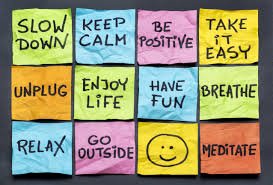
Effective Stress Management Techniques for Weight Loss
As we have been saying; high stress does not help your weight loss journey. But you do not have to worry, there are plenty of ways to manage, fight back and keep you on track. Below are some proven methods to manage stress which will help you lose weight.
Practice Mindfulness and Meditation
Mindfulness and meditation are some of the best ways to manage stress and help you lose weight. These practices can really help you reduce your cortisol levels and calm your mind all together.
- Deep breaths: Spending 5-10 minutes daily focusing on slow, deep breaths is going to lower your blood pressure and stress at the same time.
- Try body scans: Lie down somewhere comfortable and focus on each body part, from head to toes, this will help you stay relaxed and release tensions.
- Guided meditations: Apps like Headspace are great as they offer short, guided sessions. It makes it easy to follow and fit into your schedule.
- Mindful eating: Paying full attention to your food by noticing. flavors, textures, and how it makes you feel will prevent overeating.
- Start a gratitude journal: Every morning before starting your day, write down three things you’re thankful for each day. This will help you start the day on a positive note.
- Walking meditations: Take a slow walk and focus on each step by feeling the ground beneath your feet and the air on your skin.
- Setting reminders: Use phone alerts to prompt mindful moments throughout the day, this will reduce your stress even if it is brief.
- Join a meditation group: Local classes or online groups offer support and motivation. They can help you stick to your practice.
Get Regular Physical Activity
Regular physical activity is a powerful tool for managing stress and aiding weight loss. This strategy will be a win-win strategy that boosts both mental and physical health.
- Daily movement: Your goal is to be active for at least 30 minutes of moderate exercise most days. It could be brisk walking, swimming, or cycling.
- Strength training: Lifting weights or using resistance bands will help you build muscle and lose fat at the same time. Even when you are resting.
- Dance it out: Put on your favorite tunes and dance around your living room, it makes things so much and helps with your mood too.
- Take the stairs: You want to skip the elevator and climb stairs whenever you can, it can really help get more movement in your day.
- Join a fitness class: Group classes like Zumba or spin can be super motivating and social with all kinds of linked minded individuals.
- Walk during lunch: Use your lunch break eat and go for a small walk, it will refresh your mind and body.
- Play with your kids or pets: Running around with little ones or throwing a ball for your dog counts as exercise too and it can be really awesome to spend time with your family at the same time.
- Garden or do yard work: Digging, planting, and mowing are great ways to stay active outdoors which will boost your mood and keep you moving.
- Try yoga: It will combine physical activity with stress relief through deep breathing and mindfulness.
- Set realistic goals: Start small and gradually increase your activity level to avoid burnout or injury.
Maintain a Balanced and Healthy Diet
To support your weight loss and managing stress, a balanced diet is important. You will have better weight loss results when choosing smart foods:
- Having more fruits and veggies in your diet is important. They are the best ones full of fiber and vitamins to make sure you’re full.
- Cut back on fast food. A study at Laiko General Hospital found eating less fast food helped with weight loss.
- Choose lean proteins. Fish, chicken, and beans give you energy without extra fat.
- Limit sugary snacks. They cause blood sugar spikes that can increase stress.
- Drink plenty of water. It helps curb hunger and keeps your body working well.
- Add whole grains to meals. They give long-lasting energy and keep you satisfied.
- Include healthy fats like nuts and avocado. They help your body absorb nutrients.
- Plan your meals ahead. This stops stress eating and keeps you on track.
- Eat slowly and mindfully. It helps you enjoy food more and eat less.
- Try new healthy recipes. This makes eating well fun and stops boredom.
Getting enough sleep is another key part of stress management and weight loss. Let’s look at how sleep affects your goals.
Ensure Adequate Sleep
Sleep plays a big role in weight loss. Poor sleep messes up your body’s systems. It makes you crave sugary foods and slows down your metabolism. Aim for 7-9 hours of sleep each night.
This helps your body recover and keeps stress hormones in check.
Good sleep habits can boost your weight loss efforts. Try to go to bed and wake up at the same time every day. Keep your bedroom cool and dark. Avoid screens before bed. These tips can help you get better rest.
A sleep expert once said:.
Sleep is the golden chain that ties health and our bodies together.
Next, let’s look at how to break the cycle of stress and weight gain.
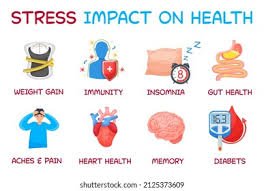
Breaking the Cycle of Stress and Weight Gain
The first step into breaking the stress and weight gain cycle is by knowing your triggers. There are plenty of healthy ways to deal with it and these steps will help manage your weight better as well as taking back control of your eating habits.
Identify Stress Triggers
It is going to be a game changer to know what triggers your stress and weight loss connection. Knowing exactly what those triggers are will help you break free from the weight gain and take control of your health.
- Knowing your body’s stress signals: Paying attention to physical cues like tense muscles, rapid heartbeat, or sweaty palms are some of the signs that appear when you feel stressed out.
- Tracking your mood: Use a journal or app to log your emotions throughout the day, that will help you identify the patterns and spark those negative feelings.
- Pay attention to your eating habits: Keeping a food diary to link stress with eating behaviors, these will help know what is triggering the step to grabbing sugary foods.
- Pay attention to your environment: Look at your surroundings when stress hits. Is it noisy? Is it crowded? What is going on around you?
- Review your schedule: Overbooked calendars will lead to being stress out a lot of the times since you will be overwhelmed and rushed.
- Listen to your self-talk: Negative inner dialogue can trigger stress. Catch yourself when you use phrases like “I can’t do this” or “Everything’s going wrong.” And try to change that mindset within the first 10 seconds of noticing.
- Check your sleep: Poor sleep quality can make you more prone to stress. Pay attention to how many hours you sleep and how rested you feel upon waking up in the morning.
- Monitor your digital habits: Track how much time you spend on your phone and social media. That might affect your mood and cortisol levels.
Develop Healthy Coping Mechanisms
Now time to talk about some healthy ways to deal with stress that support your goals and weight loss journey.
- Deep breathing: Take slow, deep breaths for 5 minutes daily, this will lower your tension and cortisol levels.
- Exercise: Move your body for 30 minutes a day. It could be as simple as walking, dancing, or yoga which will all help burn calories and boost your mood.
- Journaling: Write down your thoughts and feelings, this will help turning your emotions without food.
- Talk it out: Call a friend or family member when stressed, this kind of support will help lower cortisol levels.
- Mindfulness: Focus on the present moment for 10 minutes each day, this will curb emotional eating and reduce stress overall.
- Healthy snacks: Keep cut veggies or fruit on hand, these are great alternatives to have something to munch on without extra calories.
- Relaxation techniques: Try progressive muscle relaxation or guided imagery, that will calm your body and mind together.
- Hobbies: Make time for activities you enjoy. Whether it is crafts, reading, or gardening it will help keep your mind off the situation.
- Limit caffeine: Cut back on coffee and soda. Drinks with extra caffeine will make you stress more.
- Quality sleep: Aim for 7-9 hours of sleep each night. Getting a good rest helps manage stress and weight.
Avoid Emotional Eating
Emotional eating can derail weight loss efforts. Many women turn to food for comfort when stressed. This habit leads to extra calories and weight gain. But there are ways to break this cycle.
Mindfulness training helps women avoid stress eating. It teaches how to recognize hunger cues and emotional triggers.
Try keeping a food diary to spot patterns. Note what you eat and how you feel before and after. This can reveal stress-related snacking. Try replacing comfort foods with healthier options like fruits or veggies instead to be able to help you.
Instead of reaching for snacks, take a walk or call a friend. Over time, these are the new habits that will help manage stress without food as a problem.
Additional Tips for Managing Stress
Sometimes stress management has to go beyond basic techniques. Below we talk about extra tips to boost your stress-busting arsenal and support your weight loss journey.
Keep a Journal
It ca be a game changer for your weight loss journey to keep a food journal. It allows you to know exactly what you eat and when you eat it. Studies show that people who write down their meals lose more weight than those who don’t.
A 2011 review found that self-monitoring, like using food journals, leads to better weight control.
A journal is not just about food, it will help write down your worries, feelings, and wins daily. This technique can help you spot stress triggers and find better ways to cope about it.
It’s also a great way to celebrate your progress and stay motivated during your weight loss journey.
Try Relaxation Techniques like Yoga
Yoga is really great for weight loss and stress reduction at the same time. It combines gentle movements with deep breathing which calms the body ad mind and allow your cortisol levels to lower.
A study at Laiko General Hospital in Athens demonstrated significant results. From 2014 to 2016, participants who used relaxation methods like yoga experienced substantial decreases in their BMI scores.
Other relaxation techniques can also be beneficial. Deep breathing, reading, or listening to music all help to lower stress. A short walk ca be super beneficial too as it not only lowers your cortisol levels but help with your overall health too.
This will improve your mood, increase your energy, and promote better sleep habits. These are all so important for managing your weight effectively. Sleep is also so important for weight loss.
Seek Professional Counseling if Necessary
Professional really help with stress-related weight issues in general. Cognitive Behavioral Therapy (CBT) is great and has shown that women who know the root of the issue of stress eating actually build healthier habits.
A therapist can give you some personalized way to improve eating patterns and manage stress at the same time.
Don’t be scared of reaching out for help, it will actually help you more than anything. Many say that talking to a counselor gives them new tools to handle life’s pressures which helps them make better food choices and consistent exercise routines.
Before we finish this blog post, let’s wrap up our discussion on stress and weight loss and their connection.
Conclusion
Managing stress is going to be essential for a successful weight loss journey. All it takes is some small changes to your daily routines that will significantly impact results overtime. Incorporating deep breathing techniques, regular exercise, and nutritious eating habits will help you on the long term basis too.
These practices not only can reduce stress levels and enhance weight loss efforts but will benefit your health for a long time. This is why a balanced approach promotes long-term success and improved overall health.