
Understanding Your Body: The Female Metabolism
Alright, let’s dive into the magic that is our bodies and figure out how our metabolism works for weight loss! It is really crucial to know this information but also very fascinating. Knowing this can really help us out when it comes to your weight loss journey.
First off, metabolism is simply our body’s way of converting what we eat and drink into energy. This amazing process is what keeps our hearts beating, our minds thinking, and our muscles moving.
The kicker? There’s more to it than just calories in and calories out.
Basal Metabolic Rate (BMR)
BMR is the number of calories our bodies need just to function at rest.
Muscle Mass: The amount of muscle we’ve got plays a big part in our BMR. More muscle means we burn more calories, even when we’re chillin’ on the couch or even sleeping.
Age: As we get older, our body slows down our metabolism unfortunately. This is why it’s easier to gain weight as we age if we’re not active.
Hormonal Influence
Estrogen: This hormone plays a huge role in our metabolism. During menopause, estrogen levels drop, which can slow down metabolism and lead to weight gain.
Thyroid Hormones: These bad boys regulate our metabolism. If they’re outta whack, it can really mess with how our body uses energy.
Cycle Syncing
Believe it or not, our menstrual cycles can affect our metabolism too.
Follicular Phase: Right after our period ends, our estrogen levels rise, and we generally have more energy.
Luteal Phase: After ovulation and before our next period, we might feel more tired and crave carbs. This is when the sugar and carb cravings of chocolate come in (you know what I mean).
Lifestyle and Stress
Stress: Chronic stress can mess with our metabolism by increasing cortisol levels. Cortisol can make our body store fat, especially around the belly.Yes that pooch area!
Sleep: Not getting enough Zzz’s? It can slow our metabolism. Plus, being tired can make us hungrier and crave sugary foods for a quick energy fix.
Diet and Exercise Impact In Your Weight Loss Journey
Protein: Eating enough protein is crucial for maintaining and building muscle mass, which helps keep our metabolism revved up. Protein is literally the building blocks of your body.
HIIT Workouts: High-Intensity Interval Training can give our metabolism a good boost long after we’ve finished exercising. Like burn calories for up to 72 hours AFTER you workout.
Understanding how our metabolism works helps us make smarter choices about our diet, exercise routine, and overall lifestyle especially when in a weight loss journey. Let’s be kind to our bodies and work with them for better health.
Setting Realistic Weight Loss Goals
When we start our weight loss journey, it’s super important to set realistic goals. Unrealistic expectations can lead to disappointment and make us give up too soon. Here are some important points to remember:
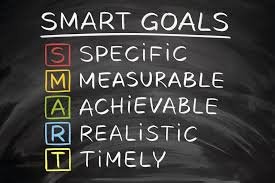
Understand Your Body
We all have different body types, metabolisms, and health conditions. What works for one person may not work for another, so there is no cookie cutter way of doing it.
Let’s acknowledge our unique bodies:
- Take body measurements and progress pictures to track changes.
- Understand how our metabolism works.
- Consult with a healthcare provider to tailor goals. Or even a coach will be able to help you.
Set Small, Achievable Goals For Weight loss
Instead of aiming to lose 20 pounds in a month (which is unrealistic), let’s break it down into smaller, more manageable goals:
- Aim to lose 1-2 pounds per week.
- Celebrate each small victory.
- Adjust goals based on progress.
Focus on Non-Scale Victories
The number on the scale isn’t the only measure of success. At the end of the day it is just a number but it cannot tell you if it is water, fat, or even muscle. We should pay attention to other positive changes:
- Improved energy levels.
- Better sleep quality.
- Clothes fitting better.
- Increased strength and stamina.
Make a Plan
A good plan makes realistic goals even more attainable. Jot down actionable steps for both diet and exercise:
- Plan meals around whole foods, lean proteins, and veggies.
- Add in regular exercise sessions into our weekly routine and schedule.
- Include rest days and recovery time.
Track Progress and Adjust during for women’s weight loss
Consistency is key, but so is flexibility in weight loss and health in general. As we move forward, let’s track progress and make necessary adjustments:
Keep a journal or use an app to log food intake and workouts. Review progress every few weeks. Be open to modifying our plan for better results.
Stay Positive and Patient
Patience is crucial. Weight loss doesn’t happen overnight, and that’s okay. Just like you didn’t gain the weight overnight. Let’s be kind to ourselves:
- Avoid comparing our journey to others.
- Embrace setbacks as learning experiences.
- Focus on the long-term benefits of healthier habits.
By setting realistic, personalized weight loss goals, we can foster a positive, sustainable approach to our health journey.
The Importance of Balanced Nutrition for weight loss
When we think about weight loss, the first thing that usually comes to mind is hitting the gym every single day without rest and being super restrictive with food.
While exercise is crucial, we can’t ignore the importance of balanced nutrition. Eating the right foods will help us burn fat more efficiently, feel more energetic, and stay healthy in the long run.
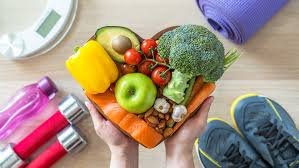
What is Balanced Nutrition?
Balanced nutrition means consuming the right amounts of:
Proteins: Build and repair tissues.
Carbohydrates: Provide energy.
Fats: Important for body cell functions and hormone production.
Vitamins and Minerals: Support various bodily functions.
Why It’s Important for Weight Loss
Energy Levels: Proper nutrition keeps our energy levels high, helping us stay active throughout the day.
Metabolism: Vitamins and minerals support our metabolism, making it easier to burn calories.
Preventing Cravings: A balanced diet helps prevent us from craving unhealthy snacks.
Foods to Focus On
Lean Proteins: Think chicken, fish, tofu, and legumes.
Whole Grains: Oats, brown rice, and quinoa.
Healthy Fats: Nuts, avocados, and olive oil are good sources.
Fruits and Vegetables: Packed with vitamins and low in calories.
Tips for Balanced Nutrition
Plan Meals: Spend time each week planning balanced meals. Literally create a menu for you and your family. This will not only help you in your weight loss journey, it will help your family be as healthy as possible.
Portion Control: Watch serving sizes to avoid overeating. Get smaller plates if needed.
Avoid Empty Calories: Steer clear of sugary drinks and processed foods.
Stay Hydrated: Drink lots of water as it is going to help you with metabolism and digestion.
Sample Meal Plan
Breakfast: Oatmeal with fresh berries and nuts.
Lunch: Grilled chicken salad with mixed greens and olive oil vinaigrette.
Dinner: Baked salmon with some quinoa and a handful of steamed vegetables.
Snacks: Apple slices with any nut butter, Greek yogurt with honey are some good ideas.
Taking small, manageable steps toward balanced nutrition can make a huge difference!
Top Diet Tips for faster weight loss
When we’re aiming to lose weight, the right diet can make a world of difference as it is 90% of your results in your weight loss journey.
Let’s dive into some top tips that can make shedding those extra pounds quicker and easier.
Eat More Protein
We should aim to include protein in all our meals, as it is your building blocks. Think eggs for breakfast, chicken or tofu for lunch, and beans or turkey for dinner. Protein helps us feel full longer and can reduce our cravings. Protein also helps your body repair and build muscle, so it is so important to consume a good amount of it.
Stay Hydrated
Drinking water before meals can help control our hunger. Plus, sometimes we mistake thirst for hunger, it is literally the #1 sign of dehydration. So aim for at least 8 glasses a day or more if we’re active.
Cut Out Sugary Drinks
They hide so many calories! Swap them for water, unsweetened tea, or black coffee, or even a flavor drop in your water. If you miss the fizz, consider trying sparkling water with just a splash of juice.
Control Portion Sizes
Using smaller plates can trick our brains into feeling satisfied with less food. Be mindful of serving sizes, especially when eating out where portions are huge. One thing that I do when I eat out is put half in a to-go box that way I don’t feel like I have to eat it all at the restaurant, and I have lunch for the next day!
Eat Mindfully
Slow down and savor each bite. It takes time for our brain to register that we’re full. Avoid distractions like phones or TV while eating, enjoy and be 100% present with your meal and/or family.
Consume Plenty of Fiber
Foods rich in fiber, like fruits, vegetables, and whole grains, help us stay full and improve digestion. Adding a side of veggies to each meal can add bulk without many calories.
Plan and Prep Meals
Prepping meals in advance helps us stick to our diet. It makes reaching for something healthy just as easy as grabbing junk food. Create a weekly meal plan and shop accordingly. As soon as you come home from shopping, go and start meal prepping for the week, it will save you so much time and money.
Reduce Refined Carbs
Swap out white bread, pasta, and rice for whole-grain versions. Carbs are good for you, they are the #1 source of energy for your body. These keep us full longer and are better for our blood sugar levels. Try quinoa, oats, and barley as satisfying options.
Enjoy Healthy Fats
Nuts, seeds, avocados, and olive oil are all great sources of healthy fats. Healthy fats can increase satiety, making it easier to stick to a calorie deficit. A handful of nuts can be a quick, satisfying snack.
Watch Out for Hidden Calories
Sauces, dressings, and condiments can add up quickly. Opt for lighter versions or use herbs and spices for flavor. Make a habit of checking labels, so we’re aware of what’s in our food, or even make your own dressings.
Remember, making small, consistent changes can lead to significant results. It is all about consistency over time. Let’s take it one step at a time and support each other along the way!
Effective Workouts for Women
When we’re talking weight loss, a solid workout routine is key. Let’s dive into some killer workouts designed just for us, ladies.
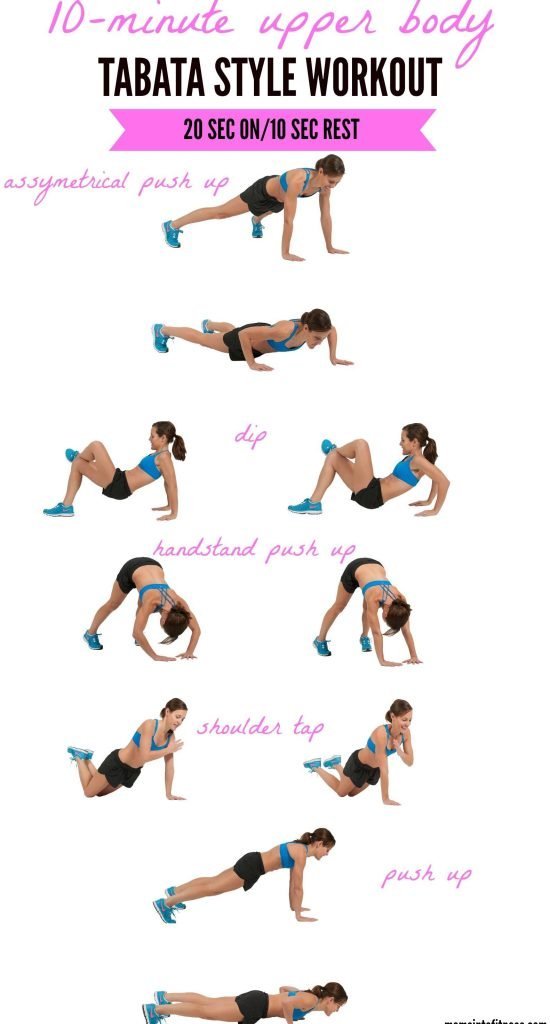
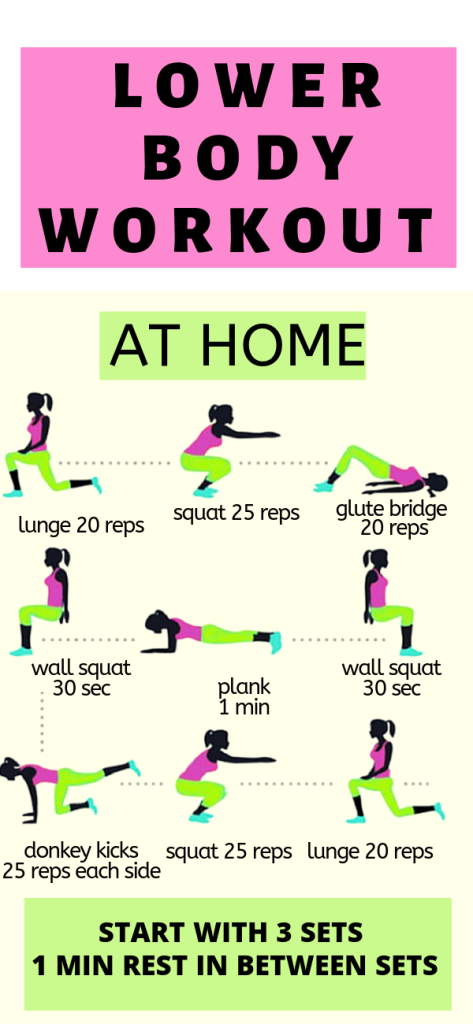
Strength Training
Strength training isn’t just for bodybuilders. For weight loss it is great cause we are building muscle while losing fat, knocking two birds in one stone.
We can all benefit from lifting weights:
Builds Muscle: Muscle burns more calories at rest than fat, helping us torch calories even when we’re chilling and sleeping.
Increases Metabolism: A faster metabolism makes it easier to shed those extra pounds, and eat more.
Boosts Confidence: Nothing feels better than getting stronger and losing fat with our weight loss goals.
Cardio Workouts
Cardio is the go-to for burning calories. Here are some top picks:
Running: Great for getting the heart pumping. Add some sprints for an extra challenge.
Cycling: Low-impact yet effective. Plus, it’s gentler on the knees.
Swimming: Awesome full-body workout that’s also easy on the joints.
High-Intensity Interval Training (HIIT)
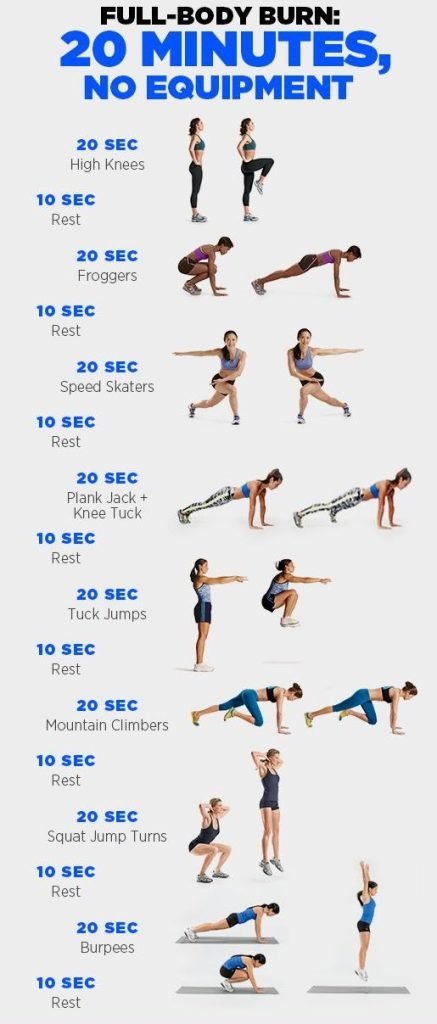
HIIT is fantastic for those of us short on time but still want results.Here’s why we love it:
Efficiency: Quick, intense bursts of exercise followed by rest.
Burns Fat: Keeps us burning calories long after the workout, for up to 72 hours after!
Variety: Anything from burpees to jump squats, keeping things interesting.
Yoga and Pilates
These mind-body workouts help us in multiple ways:
Flexibility: Keeps us limber and reduces injury risk.
Core Strength: Having a strong core is crucial for overall fitness, posture, and back pain if you have any.
Stress Reduction: Helps in winding down and improves mental well-being.
Group Fitness Classes
Sometimes we need a little social boost to push ourselves. Group classes can be a blast:
Motivation: Working out with others can help us stay committed.
Variety: From Zumba to spin classes, there’s something for everyone.
Fun: Makes exercise feel less like a chore and more like a party.
Consistency is Key
No workout plan works unless we stick to it. Here are some tips:
Schedule It: Treat workouts like important appointments and put it in your schedule as is.
Mix It Up: Avoid plateaus by changing routines regularly. Also it makes things less boring.
Listen to Your Body: Rest when needed to avoid burnout. Rest days are crucial.
By incorporating these workouts, we can find the perfect mix that keeps us motivated, healthy, and happy on our weight loss journey.
Strength Training Essentials
In weight loss, strength training is a game-changer and will get you the best results. We cannot stress enough how important it is for best results. So, let’s dive into the essentials.
Why Strength Training?
First off, it’s not just about building muscle. Strength training boosts our metabolism, which means we burn more calories even when we’re chilling on the couch. Plus, it helps us retain muscle mass, which is super important as we shed pounds.
Key Exercises
We’ve got to focus on compound movements. These exercises work multiple muscle groups at once, giving us the most bang for our buck.
Squats: Targets our legs and glutes.
Deadlifts: Engages our entire posterior chain.
Bench Press: Great for working our chest, shoulders, and triceps.
Rows: Excellent for building a strong back.
Overhead Press: Works our shoulders and core.
Getting Started
Begin with Bodyweight: If we’re new to this, start with bodyweight exercises to nail down form. There is no point of doing weights right away when you just started your fitness journey.
Add Weights Gradually: Slowly incorporate dumbbells or resistance bands as we become more comfortable.
Stay Consistent: Aim for at least 2-3 strength training sessions per week.
Form Matters
Using the correct form is crucial to avoid injury and maximize results. It might be worth it to have a few sessions with a trainer or send videos to your current coach just to make sure we’re on the right track.
Rest & Recovery
Don’t overlook rest days. Your body and muscles need time to repair and grow it selves. Make sure we’re getting adequate sleep and perhaps even throwing in some light stretching or yoga to keep things balanced.
Nutrition and Hydration
Fueling our body properly is half the battle. Make sure we’re getting enough protein, carbs, and fats to support muscle growth and drinking plenty of water to stay hydrated.
By incorporating these strength training essentials, we’re setting ourselves up for success on our weight loss journey. So, let’s get lifting!
Cardio vs. HIIT: What’s Best for You?
Alright, let’s dive into the great debate: Cardio or HIIT? Which is the best choice for weight loss? We get it; the options can be overwhelming. Let’s break it down.
Cardio
Cardio, or cardiovascular exercise, involves continuous, rhythmic activities that increase your heart rate. Think:
Running Swimming Cycling Walking
Pros:
Builds stamina: Regular cardio can improve your endurance over time.
Good for the heart: It’s excellent for cardiovascular health.
Burns calories: Steady-state cardio can help with fat loss when paired with a healthy diet.
Less Strain: Typically, cardio is less intense on the joints compared to HIIT.
Cons:
Time-consuming: You often need longer sessions to achieve desired results.
Plateaus: Your body can get used to the routine, making it less effective over time.
HIIT (High-Intensity Interval Training)
HIIT includes short bursts of intense exercise followed by rest or low-intensity periods. Think:
Circuit training Sprint intervals Tabata workouts
Pros:
Time-efficient: You can get a killer workout in just 20-30 minutes.
After-burn effect: Burns calories even after you’ve finished due to the high intensity.
Increases metabolism: Helps build muscle while burning fat.
Variety: Lots of different exercises and formats keep it interesting.
Cons:
High intensity: Can be tough on the body and may not be suitable for beginners or those with injuries.
Requires recovery: Because of its intensity, you’ll need adequate recovery time between sessions.
Risk of Injury: Higher chance of injury if not performed correctly.
So, Which One’s for You?
We need to consider our fitness levels, goals, and time constraints. If we thrive on routine and have longer workout windows, steady-state cardio might be the way to go. On the other hand, if we’re short on time and love variety, HIIT could be our jam. Honestly as we all have busy lives, HIIT workouts give you more benefits so that you’re not spending 30-45mins on the treadmill everyday.
Listen to your body and remember, both forms have their own sets of benefits.
Fitness isn’t one-size-fits-all, so why not mix a bit of both? Keep things exciting and your body guessing!
Mindful Eating: Listening to Your Body
We all have heard the saying, “listen to your body,” but how many of us actually do it when it comes to eating? Mindful eating is about being aware of what we eat, why we eat, and how it makes us feel. It’s more about building a healthier relationship with food than restricting our diet.

Pay Attention to Hunger and Fullness Cues
Hunger Signals: Let’s start by tuning into our actual hunger signals. Instead of eating out of habit or boredom, we should eat when our body tells us it’s time. This means paying attention to feeling physically hungry rather than just craving something.
Fullness Signals: On the flip side, knowing when we’re full is crucial. Sometimes, we’re so distracted that we miss the signs that our body is satisfied. Slow down while eating, savoring each bite, and the body will tell us when we’ve had enough.
Eat Without Distractions
Mindful Meals: Try to have meals without the TV on or your smartphone in hand. It’s easier to recognize when we’re full if we focus only on eating. Eating in a calm environment helps us enjoy our food more and prevents us from overeating.
Enjoy the Process: Take time to appreciate the scent, texture, and taste of your food. It sounds a bit cheesy, but engaging all the senses can make a big difference in how satisfying our meal feels.
Recognize Emotional Eating
Identify Triggers: Many of us eat when we’re stressed, sad, or even happy. Recognizing these emotional triggers is the first step in breaking the cycle. We should ask ourselves if we’re actually hungry or just eating to cope with our emotions.
Find Alternatives: Once we identify these triggers, we can find other ways to deal with our emotions. This could be taking a walk, doing a workout, talking to a friend, or practicing a hobby we love.
Practical Tips
Chew Thoroughly: Chewing our food thoroughly not only aids digestion but also gives our brain more time to receive signals of fullness.
Portion Control: Get some smaller plates to help manage those portion sizes. It’s a simple trick but can be incredibly effective.
Hydrate: Sometimes, we might confuse thirst with hunger. Drinking water regularly can help us stay hydrated and avoid unnecessary snacking.
By incorporating these mindful eating practices, we can develop a healthier, more intuitive relationship with food, contributing positively to our weight loss journey.
The Role of Hydration in Weight Loss
Let’s talk about hydration – seriously, it’s more important than most of us think! If we’ve been skimping on our water intake, we’re potentially sabotaging our weight loss efforts without even realizing it. Here’s how staying hydrated can be a game-changer for us:
Boosts Metabolism: Drinking water can actually rev up our metabolism. Studies have shown that drinking about 16 ounces of water can temporarily boost metabolic rate by 30%. This means more calories burned with zero extra effort – sign us up!
Suppresses Appetite: Sometimes, when we feel those hunger pangs, we’re actually just thirsty. Drinking a glass of water before meals can help us feel fuller faster, potentially leading to fewer calories consumed.
Enhances Exercise Performance: Being properly hydrated improves our physical performance. When we’re well-hydrated, we tend to have more energy and endurance during workouts, allowing us to burn more calories and build more muscle.
Aids Digestion: Water helps keep things moving in our digestive system. This means less bloating and constipation, both of which can make us feel heavier and sluggish.
Reduces Liquid Calorie Intake: Choosing water over sugary drinks can significantly cut down our daily calorie intake. We may not realize just how many extra calories we consume through sodas, flavored drinks, and even fruit juices.
Hydration Tips:
Carry a water bottle: It sounds simple, but having water on hand makes it easier to stay hydrated throughout the day. I call it my emotional support water bottle since I have it with me at all times.
Set reminders: Use an app or simple phone alarms to remind us to drink water regularly.
Flavor It: If plain water feels boring, try adding a splash of lemon, cucumber, or mint for a refreshing twist.
Eat water-rich foods: Incorporate foods like watermelon, cucumbers, and oranges into our diet for an extra hydration boost.
By making a conscious effort to drink more water, we can support our weight loss goals more effectively. Hydration isn’t just an afterthought; it’s a vital part of our overall health and fitness journey. So, let’s keep those water bottles filled and stay hydrated!
Importance of Sleep for Weight Loss Management
We all know sleep is essential, but did you know it plays a massive role in weight management? Getting enough quality shut-eye can actually help us on our weight loss journey.
Hormonal Balance
Ghrelin levels: When we don’t sleep well, our bodies produce more of the hormone ghrelin, which makes us feel hungry.
Leptin levels: At the same time, lack of sleep decreases leptin, a hormone that tells us we’re full. This double whammy can lead to overeating and weight gain.
Metabolism Boost
When you don’t get enough sleep, it can actually can slow down our metabolism (which is not what we want). Our bodies end up burning fewer calories when we’re tired. We might feel more sluggish, making it harder to stick to exercise routines.
Cravings and Food Choices
Lack of sleep often leads to increased cravings, especially for high-carb and sugary foods. We’re more likely to go for junk food and skip the healthy stuff. Sleep-deprived brains don’t make the best food choices. You know what I mean!
Stress Response
Our bodies produce more cortisol (the stress hormone) when we’re sleep-deprived. High cortisol levels can lead to fat storage, particularly in the belly area. This can make weight loss feel like an uphill battle that is just insurmountable.
Energy Levels
With enough sleep, we have more energy to exercise and stay active throughout the day. Better sleep means better workouts and more motivation to stay on track with our fitness goals.
Tips for Better Sleep
Stick to a Routine: Try to go to bed and wake up at the same time every day.
Create a Relaxing Bedtime Ritual: Reading a book or taking a warm bath can help us wind down.
Limit Screen Time: Avoid phones and laptops at least an hour before bed.
Watch Our Diet: Avoid caffeine and heavy meals close to bedtime.
We can say that prioritizing sleep is just as crucial as diet and exercise when it comes to weight loss. Sweet dreams are not just for rest, but also for those fitness goals! And the best part? You get to lose fat and build muscle while getting your beauty sleep!
Managing Stress for Better Results In Your Weight Loss Journey
We all know that stress can throw us off track when it comes to diet and exercise. So, managing stress is key to successful weight loss. Here are 10 practical steps we can take and start doing asap:
- Start with Self-Care: Prioritize activities that make us happy and relaxed, whether it’s reading a book, taking a bath, or spending time with loved ones.
- Practice Mindfulness: Some techniques like deep-breathing exercises or meditation can help you manage your stress better. Even if it’s just a few minutes a day can make a big difference in your mindset.
- Exercise Regularly: Physical activity isn’t just good for our body; it’s great for the mind too. Consider yoga, which combines fitness with relaxation.
- Keep a Journal: Writing down our thoughts can help us process stress. We might discover patterns that trigger it and find ways to minimize those triggers. Also writing down the things you are grateful for first thing in the morning will have you less stressed out starting the day.
- Set Realistic Goals: Break down big goals into smaller, manageable tasks. This way, we avoid overwhelming ourselves and can celebrate small victories.
- Sleep Well: Lack of sleep can increase stress and hamper weight loss efforts. Let’s aim for 7-9 hours of quality sleep each night.
- Talk It Out: Whether it’s with friends, family, or a counselor, talking about what’s stressing us out can be incredibly therapeutic.
- Limit Caffeine and Sugar: While it can be tempting to reach for that extra coffee or sweet treat, these can sometimes increase stress levels. Opt for herbal teas instead.
- Create a Relaxing Environment: Let’s declutter our space and add some calming elements like plants or aromatherapy diffusers.
- Schedule Downtime: Just as we schedule work and workouts, scheduling time for relaxation ensures we don’t skip out on it.
By following these steps, we can better manage our stress and enhance our weight loss journey.
Tracking Progress: Tools and Tips
Staying on track with weight loss goals can be tricky, but having the right tools and tips up our sleeve makes a big difference. Let’s dive into some of the best methods:

Fitness Apps
Fitness apps are a game-changer. They help us keep track of our workouts, meals, and even our sleep patterns. Some popular options include:
MyFitnessPal: Great for logging meals and counting calories.
Strava: Perfect for runners and cyclists who want to track their routes and performance.
Fitbit: Syncs with wearable devices to monitor daily steps, heart rate, and more.
Journaling
Writing things down can bring clarity. Keeping a fitness journal helps in outlining goals, noting progress, and staying motivated. We can jot down daily workouts, meals, and how we feel throughout the journey.
Wearable Tech
Wearable tech, like smartwatches and fitness trackers, provide real-time data on our activities. Top choices include:
Apple Watch: Offers comprehensive health tracking.
Garmin: Ideal for outdoor sports enthusiasts.
Whoop: Focuses on recovery and strain metrics.
Progress Pictures
Sometimes, the scale doesn’t budge, but that doesn’t mean we aren’t making progress. Taking progress photos weekly or bi-weekly can help us see the changes that the mirror might miss.
Support Groups
Joining a support group, whether online or in-person, provides a community of like-minded individuals. We share tips, celebrate milestones, and seek advice when needed. Facebook groups or local fitness clubs can be excellent places to start.
Consistent Check-Ins
Setting regular check-ins, be it with a personal trainer, a buddy, or through solo reflection, keeps us accountable. We can track:
Weight measurements Body measurements like waist and hip sizes Fitness milestones, like running a faster mile or lifting heavier weights
Feedback Loops
Getting feedback on our routines, either from trainers or apps, helps refine our strategies. Feedback loops ensure we’re always improving and not falling into inefficient habits.
Tracking doesn’t have to be a chore. With the right tools and a consistent approach, we can see real, sustainable progress on our weight loss journey.
Building a Support System
When it comes to losing weight, we all know it’s tough to go at it alone. Building a support system in your weight loss journey can make all the difference in your motivation and commitment. Let’s dive into how we can do just that.
Find Workout Buddies
Having a workout buddy can be incredibly motivating. Here’s how to find one:
Friends or Family: Ask friends or family members to join you in your fitness journey.
Join a Club: Sign up for fitness classes or clubs where you can meet like-minded people.
Online Groups: There are tons of online communities where you can find virtual workout partners based on your interests.
Sharing Meal Prep Duties
Cooking all the time can get exhausting. Sharing meal prep can ease the burden:
Swap Recipes: Share healthy recipes with your support group so everyone benefits.
Group Cookouts: Schedule group cookouts to prepare meals for the week ahead.
Meal Swaps: Arrange meal swaps where you exchange prepared dishes with friends.
Accountability Partners
Accountability partners can keep us on track. Here’s how we can use them effectively:
Daily Check-ins: Use text, calls, or social media to check in with each other daily.
Progress Tracking: Share your progress regularly and celebrate milestones together. Even if it’s just finishing your water bottle for the day.
Exercise Challenges: Set up fun challenges to keep each other motivated.
Positive Reinforcement
We’ve all had those days where motivation flags:
Celebrate Small Wins: Acknowledge and celebrate small victories, even if it’s just completing your daily workout.
Encouraging Words: Offer and receive words of encouragement whenever needed.
Reflecting on Successes: Regularly reflect on past successes to remind ourselves how far we’ve come.
Professional Guidance
Sometimes we need expert advice to keep us on track:
Trainers: Hiring a personal trainer can provide tailored advice and motivation. Just make sure it’s somebody that makes sense for you.
Dietitians: Consulting with a dietitian ensures we’re following a plan that works for our body.
Therapists: If emotional eating is a struggle for you in your life, talking to a therapist can be invaluable and very beneficial.
Building a support system isn’t just about having people around us—it’s about engaging with them in meaningful ways that contribute to our goals. We’re all in this together!
Long-Term Maintenance: Keeping the Weight Off
Maintaining weight loss can be challenging, but with some practical strategies and a positive mindset, it’s totally achievable. Here are some tips that can help keep us on track for the long haul:
1- Stick to a Routine
Consistent Meal Times: Eating at the same times each day helps regulate our metabolism, and it makes things easier for your schedule.
Regular Exercise: You want to aim for at least 30 minutes of physical activity, workout, or anything that keeps you active most days of the week. I would aim between 2-3x per week to start off with and then build off of that.
Sleep Schedule: Getting 7-9 hours of sleep each night can significantly affect our weight.
2- Monitor Progress
Weigh-Ins: Weekly weigh-ins can help us keep track without becoming obsessive. Do not do it everyday, it will be too much for you mentally.
Food Journals: Writing down what we eat can reveal patterns and problem areas.
Fitness Apps: Use apps to track workouts and calorie intake.
3- Mindful Eating
Listen to Our Body: Eating when hungry and stopping when full is crucial.
Portion Control: Use smaller plates and avoid family-style dining to control portions.
Limit Processed Foods: Stick as much as you can to whole foods. Processed foods is most of the time empty calories that have no benefits to your health.
4- Stay Hydrated
Water First: Drink a glass of water before each meal.
Limit Sugary Drinks: Opt for water, herbal teas, or sparkling water over soda and juices.
5- Social Support
Workout Buddy: Having a friend to exercise with can motivate us to stay active.
Join a Group: Consider weight loss or fitness groups for both camaraderie and accountability.
Family Involvement: Get loved ones involved in healthy eating and activities.
6- Plan Ahead
Meal Prep: Preparing meals in advance can prevent unhealthy last-minute choices.
Healthy Snacks: Keep nutritious snacks like nuts, fruits, and yogurt handy.
Travel Smart: Research restaurants and make healthy choices when eating out.
7- Manage Stress
Relaxation Techniques: Yoga, meditation, and deep breathing can reduce stress eating.
Hobbies: Engaging in hobbies we love can keep our minds off food.
Staying on top of these habits can help ensure that we not only lose weight but also maintain a healthier lifestyle in the long run.
Let’s keep striving for a balanced approach that fits seamlessly into our everyday lives.
Investing in your weight loss journey is not merely a reactive measure but a proactive strategy to foster a sustainable and healthy lifestyle.
By prioritizing your health, women position themselves to reap continuous benefits, lose weight, get healthy and maintain it once and for all.