
Are you fed up with all the restrictive diets that fall flat and you never get to succeed on them? We hear you and totally know how you feel. Many women struggle to lose weight and keep them off in the first place, and restrictive dieting does not help either. It’s so frustrating when the scale won’t budge, no matter how hard you work at it. It is discouraging, overwhelming, and makes you feel like you just want to throw in the towel.
We know the feeling way too well. Finding a diet that really works can feel like an uphill battle and really hard to know which is good for you. That’s why we rolled up our sleeves and dug into the science of low-carb eating and how effective it can be for women looking to lose weight, get healthy, and tone up. Here’s a fun fact: low-carb diets have been used since 500 B.C. to treat health issues. Our research shows these diets can be a real game-changer for women trying to lose weight and help build muscle at the same time.
In this post, we’ll show you how low-carb diets can kick your weight loss into high gear and get you healthy in no time. We’ll break it down step-by-step, share some inspiring success stories, and give you tips to hit the ground running once and for all.
You’ll learn why cutting carbs but not removing it entirely works so well for women’s bodies. Get ready to finally see the results you’ve been dreaming of!
Understanding Low-Carb Diets
Low-carb diets mostly focus on cutting on bread, pasta, and sugar. They focus on protein, veggies, and healthy fats instead. It does not mean that they are restricting carbs all together, just cutting it down.
Definition and Basic Principles
Low-carb diets focus on cutting down carbs and upping protein and fat intake, this will allow the macronutrients to be less carbs but not totally gone. We’ve seen great results with these diets for women weight loss. Most of the time they limit carbs intake to 100 grams or less per day.
That’s about the amount in 3-4 pieces of fruit or a piece of toast.
The idea is simple – the goal is to eat fewer carbs to help your body burn fat for fuel. This type of diet can lead to a good boost of faster weight loss and controlling blood sugar better. Over the years, many women find that low-carb eating helps them curb cravings and hunger too.
At the end of the day this type of eating is about choosing whole foods like meats, eggs, veggies, and healthy fats while avoiding sugary and starchy items that is processed.
Low-carb dieting and eating isn’t just a diet, it’s a lifestyle that can transform your health and waistline on a long term basis.
Popular Types of Low-Carb Diets
Low-carb diets have become very popular in the women weight loss industry. So let’s explore some of the most common types of low-carb diets that have helped many get to their weight loss goals.
- Ketogenic Diet: This low-carb plan limits carbs to about 20-50 grams per day. This is what pushes the body to burn fat for fuel, creating ketones. The keto diet dates back to 500 B.C. when it was used to treat epilepsy.
- Atkins Diet: Dr. Robert Atkins created this diet in 1972. It is a diet that starts with very low carb intake and slowly adds carbs back in phases to allow for more energy and sustainability. The focus is on high protein and healthy fats.
- Paleo Diet: This one diet plan is about mimicking what our ancestors used to eat. It cuts out grains, legumes, and processed foods all together. The diet relies on meats, fish, fruits, and veggies.
- South Beach Diet: This diet is about splitting carbs into “good” and “bad” categories. The goal is to lower blood sugar and boost heart health. It is all about including lean proteins, low-fat dairy, and whole grains.
- Low-Carb Mediterranean Diet: This version of the Mediterranean diet cuts back on grains and starches a lot more than the basic one. It keeps the main focus on fish, olive oil, and plenty of veggies.
- Dukan Diet: This French diet has four phases. It first starts with only protein and moves to include veggies, some carbs, and fats for a balanced healthy nutrition. The goal is quick weight loss followed by long-term maintenance.
- Eco-Atkins: This is a plant-based version of the Atkins diet. It replaces animal proteins with soy products and other plant proteins for those that want to become vegan. The diet aims to lower cholesterol while promoting weight loss.

Why Low-Carb Diets Work for Women
Low-carb diets have a tendency to do well for women in general. As they help control hunger, and balance hormones which helps weight loss faster too.
Hormonal Benefits
It is wonderful how low-carb diets are amazing for women’s hormones levels and control too. They help balance insulin levels, which is key for weight loss and healthy lifestyle. A study in “The Journal of the American Heart Association” backs this up.
This study found that high-fat, low-carb diets keep insulin steady which means better fat burning and less hunger overtime.
But there’s more to the story. Hormones like leptin and ghrelin do really great on a low-carb eating diet, as they control appetite and fullness. They work better when we are eating fewer carbs.
Low carb diets makes us feel fuller longer and we don’t crave snacks. This is great to stick to our diet easier and boosts our weight loss efforts overall. Now, let’s look at how low-carb diets impact appetite control.
Low carb diets are like a reset button for your hormones.
Impact on Appetite Control
Low-carb diets curb hunger cravings too. That’s what is so great about these eating plans is that they cut down on foods that spike blood sugar. Which most of the time leads to fewer cravings in general. Our bodies start burning fat for fuel, and this process naturally suppresses appetite.
On a low-carb diet, a lot of the women we worked with felt fuller longer after eating their meals.
Protein and fats also play a big role in this appetite control. They both take longer to digest than carbs, which keeps us satisfied for hours on end rather than a couple minutes. This automatically means that we’re less likely to snack between meals or overeat at dinner time.
Time to explore the key parts that make low-carb diets work so well for weight loss.
Key Components of Effective Low-Carb Diets
Low-carb diets do better with the right mix of foods. That’s why on these diets we focus on good proteins, healthy fats, and fewer processed carbs.
Emphasis on High-Quality Proteins
High-quality proteins is very important in our low-carb eating habits. They’re the ones that keep us feel fuller longer and keep our muscles strong and replenished at all times. Some great choices are lean meats, fish, eggs, and plant-based options like tofu.
These types of proteins give our bodies the building blocks they need without any extra carbs.
Protein is what helps us burn more calories as well. Our bodies work harder to digest protein than any other foods. This means that our body is using energy even when we’re not moving around and we are sleeping. On top of it, protein keeps our blood sugar steady, which stops those annoying hunger cravings all together,
It’s a win-win for weight loss and overall health.
Incorporation of Healthy Fats
Healthy fats also play a key role in low-carb diets. They are so important and really good for our bodies too. Foods like avocados, nuts, seeds, and olive oil should be included in our meals to get the healthy fat our brains need. These fats help us feel full and satisfied at all times, which makes things easier to stick to the diet.
Fats also support hormone balance and aid in absorbing vital nutrients which is very important for overall health.
Fat is your friend on a low-carb diet as compared to what a lot of people think.
Let’s not forget about omega-3 fatty acids which is crucial is found in fatty fish like salmon. These fats fight inflammation and boost heart health which makes our bodies thrive and love it with this amazing fuel.
Time to talk about how low-carb diets can enhance fat burning for even better results.
Limitation of Processed Carbohydrates
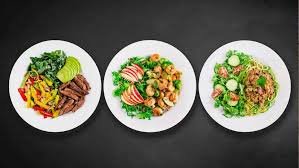
Now that we’ve covered that proteins are our building blocks and fats are our good for us, let’s talk about cutting back on processed carbs all together. Time to watch out for sneaky high-carb foods. Frozen yogurt, almond milk, and even barbecue sauce can pack a bunch of processed carbs that are not beneficial to our journey.
Fruits like grapes and apples have over 20 grams of carbs each which is better than having pizza or even a donut. We also say that the carbs from fruits and vegetables are good carbs and to not worry about it at all. Dried fruits are even higher – some have up to 80 grams per serving but again better than the processed carbs.
The goal is to swap processed carbs for whole foods. This means choosing fresh veggies over canned ones, it means whole grains instead of white paste or bread. These little changes help keep our blood sugar steady and curb cravings.
Plus, they give us more nutrients and fiber which our bodies needs for a good digestion. And they helps us feel full longer and supports our weight loss goals.
Benefits of Low-Carb Diets in Women’s Weight Loss
Low-carb diets are great for women who want to lose some weight and it can really help them speed that up at first. These types of way of eating can improve overall health and reduce bloating.
Enhanced Fat Burning
Low-carb diets can really rev up fat burning for women wanting to get to their goals faster and healthier. The way it works is that our bodies start to use fat as fuel when we cut back on carbs which means that we are burning more fat than anything else. This then leads to faster weight loss but in a steady and sustainable way.The Journal of Clinical Endocrinology & Metabolism found women on low-carb diets lost more weight on average than those on calorie-restricted diets that have cut out complete food groups.
There’s some other amazing advantages. Low-carb eating helps build muscle while shedding fat especially when using strength training for workouts. A trial in the European Journal of Clinical Nutrition showed that women gained muscle and lost body fat at the same time when using low-carb diet and sustainable workout routine.
This combo together of fat loss and muscle gain boosts our metabolism. It helps us burn more calories even when we’re resting and sleeping.
Reduced Water Retention
Low-carb diets can help us shed excess water weight and reduce water retention fast. Our bodies automatically store carbs with water, so cutting carbs leads to quick fluid loss and reduces that “fat” that’s just water very fast. This initial drop on the scale feels great and usually happens within the first couple of weeks! But we need to stay hydrated and aim to drink 0.5-1 gallon of water a day.
Drinking plenty of water and getting enough electrolytes is key to proper hydration and reducing cravings as it is the first sign of dehydration.
Water weight can mask true fat loss progress and by reducing carbs helps reveal your body’s true shape.
When women first get on a low-carb diet, we often see a big drop in bloating pretty much right away. Carb-heavy foods can cause water retention and puffiness and by limiting these foods, we reduce inflammation and fluid buildup which will make us feel lighter and healthier.
This leaves us feeling slimmer and more comfortable in our clothes which is an amazing feeling. It’s a nice perk along with the fat loss and boosts our confidence right away too.
Improved Metabolic Health
Beyond getting rid of water weight, low-carb diets are amazing for our overall health. We see it everyday with the women in our program and how it boosts their metabolic health. Our bodies become better at using fat for fuel, which automatically helps keep blood sugar steady.
This is very important because stable blood sugar means that your body will have more energy and less hunger throughout the day.
Low-carb eating also helps our insulin work better which is great for women who want to be healthier and lose some weight along the way.
Our bodies store less fat and burn more of it instead which is great for better insulin function,. It’s like giving our metabolism a complete tune-up, which is helping us feel more vibrant and energized.
Overcoming Challenges in Low-Carb Diets
Low-carb diets can be tough sometimes too, but we’ve got tips and tricks to help you stay on track and make sure you succeed. Cravings are hitting hard? We’ll show you how to throw them to the curb. Worried about missing the most important key nutrients? We’ve got that covered too so we can make sure you don’t.
Keep reading and you will learn our top tips and tricks for making low-carb work for you and your lifestyle.
Managing Carb Cravings
We know how tough it can be to fight off that carb cravings when it happens on a low-carb diet. So here are some proven ways we’ve found to manage those pesky urges and stay on track everyday:
- Get more protein and fat into your diet. These nutrients keep us fuller longer and help curb cravings for a while. Try eggs, nuts, avocado, greek yogurt, or cheese as snacks if needed.
- Stay hydrated. Often, thirst masquerades as hunger as it is the first sign of dehydration. Drink water or unsweetened tea throughout the day to make sure you stay hydrated and prevent cravings too.
- Get enough sleep. Lack of sleep can trigger cravings the next day and emotional eating. Aim for 7-9 hours each night for a fully rested night and recovery.
- Plan meals ahead. Having healthy options ready prevents impulsive carb choices and allows you to grab and go without having to worry about “healthy” or “unhealthy”.
- Look for low-carb substitutes. Zucchini noodles or cauliflower rice can satisfy pasta cravings without the extra calories and feeling of heaviness.
- Eat regularly on a schedule. Don’t let yourself get too hungry – it leads to poor choices and lots of weird high carb and sugar cravings. Try to follow a eating schedule for best measure.
- Manage stress. Stress often triggers cravings and is the #1 killer in America. Try yoga, deep breathing, a short walk, or even a workout to release some of that stress and have you focused on something else.
- Keep busy. Boredom can lead to mindless snacking which is useless. Find a hobby or activity you enjoy and get your brain busy towards that activity.
- Allow yourself to have some small treats. Total restriction can backfire and make you feel so restricted that you will give up. Plan for occasional small, low-carb treats that get you that sweet tooth and make you feel a little better.
- Use herbs and spices. They add flavor without carbs, making meals more satisfying. This is the best way to change things around and make you feel more satisfied.
- Practice mindful eating. Pay attention to your food and eat slowly to feel more satisfied. Mindful eating is what is going to allow you to eat everything in moderation as you’re paying attention to what you’re putting into your mouth everyday.
- Try carb cycling. This approach allows for planned higher-carb days, which can help manage cravings long-term. This is what allow you to have that extra carb like pizza or burger you’ve been wanting for a while.
Ensuring Nutritional Adequacy
Low-carb diets can be great and very beneficial for weight loss, but we need to make sure we’re still getting all the nutrients our bodies need to survive and feel the best. Let’s look at some ways to keep our diets balanced and healthy while cutting carbs.
- Eat lots of veggies: Dark leafy greens, broccoli, and peppers are packed with vitamins and minerals which is needed through diet. They’re low in carbs but high in fiber, which helps us feel full.
- Choose lean proteins: Fish, chicken, and lean beef give us essential amino acids and is going to be amazing for your protein intake too. These help build and repair muscle tissue, which is key for a healthy metabolism and fat loss.
- Don’t skip the fat: Healthy fats from avocados, nuts, and olive oil are crucial and often overlooked. They help our bodies absorb vitamins A, D, E, and K as well as protecting our brain health and reducing that “brain fog”.
- Add some dairy into your diet: Greek yogurt and cheese provide calcium and vitamin D. These dairy options keep our bones strong and may help with weight loss as well as getting more protein. Just remember everything in moderation.
- Try low-carb fruits: Berries are lower in sugar than other fruits and are amazing for your overall health. They’re full of antioxidants that protect our cells from damage and boost our metabolism.
- Consider adding supplements: A good multivitamin can fill in any gaps that you might not be getting in your diet. This is especially important if we’re cutting out whole food groups or even restricting it a bit.
- Stay hydrated: Water helps flush out toxins and keeps us feeling full. It’s easy to mistake thirst for hunger especially cravings on a low-carb diet.
- Plan meals ahead: This helps us make sure we’re getting a mix of nutrients and make sure we’re getting all the macronutrients needed. It also prevents us from reaching for unhealthy snacks when we’re hungry and we know that it is good to fuel our bodies.
- Listen to our bodies: If we feel tired or weak, we might need to adjust our diet as we might not be getting enough food or nutrients to fuel our bodies properly. It’s okay to add in some healthy carbs if we need to especially when working out more and feeling depleted.
- Get regular check-ups: Blood tests can show if we’re low in any vitamins or minerals. Our doctor can help us tweak our diet if needed. We like to do that yearly.
Real-Life Success Stories
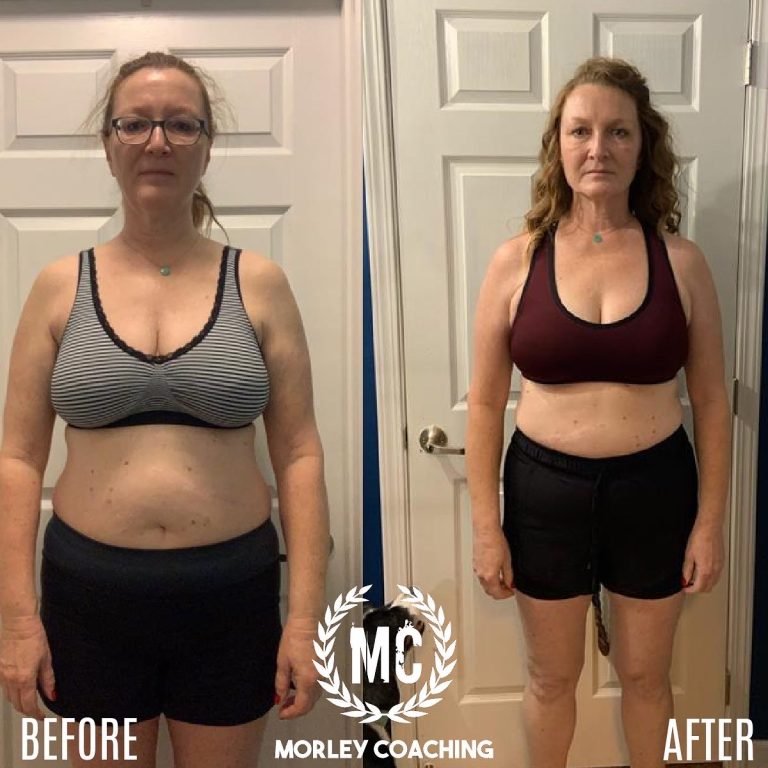
We’ve seen countless women transform their lives with low-carb diets and really get to their weight loss goals once and for all. Sarah lost 50 pounds in six months, while Jenny reversed her type 2 diabetes forever. These stories show the power of cutting carbs but not fully removing it…
Want to learn more? Keep reading!
Case Studies of Women Who Benefited
We’ve seen amazing results from women who tried low-carb diets and made it work for their weight loss success journeys. Here are some real-life success stories that show how effective this approach can be for a long term and overall health:
Sarah, 35: Lost 30 pounds in 3 months
- Cut out a portion of bread, pasta, and sugar
- Ate more eggs, chicken, and veggies for protein and fiber
- Felt less hungry and had more energy throughout the day
- Improved her blood sugar levels dramatically
Maria, 42: Dropped 2 dress sizes in 6 weeks
- Switched to a ketogenic diet that works for her lifestyle
- Focused on healthy fats like avocado and nuts into her diet and especially lunch salads at work
- Saw a big drop in cravings for sweets mostly in the afternoon
- Noticed clearer skin and better sleep overall.
Lisa, 28: Shed 15 pounds and kept it off for a year
- Followed a low-carb, high-protein plan that allowed her lose fat and build muscle at the same time
- Added strength training to her routine 3x a week
- Reported feeling stronger and more toned as well as more confident
- Found it easier to stick to her diet long-term and teach her kids the same thing
Emma, 50: Lost 40 pounds during menopause
- Adopted a moderate low-carb approach that fit her sustainable life and journey
- Included more fiber-rich foods like berries for more antioxidants
- Experienced fewer hot flashes especially at night
- Saw improvements in her cholesterol levels and overall health
Jessica, 38: Overcame PCOS symptoms and lost weight
- Cut out refined carbs and sugar which allowed her to focus on whole grains
- Ate more leafy greens and lean proteins for muscle building
- Regulated her menstrual cycle and felt better with that routine
- Improved her fertility and overall health for the better forever
These women’s stories show how low-carb diets can lead to real, lasting changes that work with their busy lives, and is sustainable forever. Their success goes beyond just weight loss – they’ve seen improvements in energy, mood, and overall health too which is the entire goal than just losing weight.
How to Start a Low-Carb Diet
Starting a low-carb diet can be simple and fun for your health and lifestyle. We’ll show you how to swap high-carb foods for tasty, nutrient-rich options that keep you full and energized while also making sure you will enjoy.
Steps to Transition Smoothly
We know starting a low-carb diet can seem tough at first. Here’s how we can make the switch easier and so much smoother than you think:
- Clean out the pantry: Get rid of high-carb foods like chips, cookies, and pasta and do not buy them again. This will remove the options and accessibility to it. Stock up on low-carb options instead.
- Plan meals ahead: Make a weekly menu with tasty low-carb recipes that allows you to know what you will be having that aligns with your goals. This helps avoid last-minute unhealthy choices.
- Start slowly: Cut carbs bit by bit. Aim for about 70 grams of carbs a day from healthy sources to make sure you’re not totally deprived as it is still the #1 source of energy.
- Learn to read labels: Check food labels for hidden carbs that are not too advertised. Many foods have more sugar than we think and is not the best for it.
- Find low-carb swaps: Replace high-carb foods with low-carb options. Try cauliflower rice instead of regular rice for lower calories and good nutrients.
- Stay hydrated: Drink lots of water to make sure you’re hydrated. It helps beat cravings and keeps us feeling full throughout the day.
- Prep snacks: Have low-carb snacks ready. Nuts, cheese, and veggies with dip are great choices to have on hand.
- Get support: Join a low-carb group, a support motivational group or find a buddy. Having others to talk to makes the change easier and encouraging to keep going when challenges occur.
- Track progress: Keep a food diary or use a food diary app. It helps us see what works and what doesn’t and what you’re actually putting into your body.
- Be patient: Give your body time to adjust and see if it is the right things for it. It may take a few weeks to feel the full benefits and see how your body responds. But it is not going to happen overnight.
- Seek expert help: Talk to a dietitian or coach that can direct you and help you succeed. Our dangerous divas program is amazing for that 1:! support and accountability. They can offer tips and make sure we’re getting all the nutrients we need to succeed for our individual bodies.
- Focus on whole foods: Choose fresh meats, fish, eggs, and veggies. These are naturally low in carbs and good to hit our macronutrients for proper fuel.
Tips for Sustaining a Low-Carb Lifestyle
We’ve got some great tips and tricks to help you stick with your low-carb diet and make sure you’re successful with it. These ideas will make your weight loss journey easier and more fun as well as more sustainable for your busy lifestyle.
- Plan your meals: Make a weekly menu, prep it and shop for low-carb foods. This helps you avoid temptation and stay on track at all times.
- Stock up on snacks: Keep nuts, cheese, and veggies handy for quick bites when the craving or hunger hits. These foods curb hunger without adding extra carbs and still adding nutrients.
- Find tasty swaps: Use lettuce wraps instead of bread or zucchini noodles for pasta for lower calorie options. These swaps let you enjoy your favorite meals without the carbs and still healthy option.
- Stay hydrated: Drink lots of water throughout the day. It helps you feel full and boosts your energy throughout the entire day.
- Get enough sleep: Aim for 7-9 hours of sleep each night for proper recovery. Good rest helps control cravings and keeps you focused.
- Move your body: Add regular exercise to your routine to help you get healthy, active and feel good. It burns calories and makes you feel great as well as boost your metabolism.
- Track your progress: Keep a food diary or use an app to log your meals so you know exactly what you’re putting in your mouth and stomach. This helps you stay aware of what you’re eating and how much of it you’re eating too.
- Join a support group: Connect with others online that are on the same journey as you. Sharing tips and stories can keep you motivated as well as encouraging others to be successful too.
- Learn new recipes: Try cooking low-carb meals at home. It’s fun and helps you control what goes into your food and know that it is still beneficial for your health.
- Be patient: Weight loss takes time and will not happen overnight. Focus on how you feel, not just the scale. You didn’t gain weight in 1 night so don’t expect to lose it in 1 night.
- Treat yourself: Allow a small treat now and then. It helps you stick to your diet long-term. Everything in moderation is the best way to go.
- Read labels: Check food labels for hidden carbs. This helps you make smart choices at the store.

Common Misconceptions About Low-Carb Diets
Low-carb diets often face myths and misunderstandings and not a lot of people get to really understand it. We’ll clear up some common mix-ups about these eating plans and make sure you’re getting this the first time around.
Myth | Fact |
Low-carb diets are always better for weight loss and will help everyone | The DIETFITS study found no big difference in weight loss between low-fat and low-carb diets but they might not work for everyone. |
Carbs are the main cause of weight gain | Calorie and protein intake matter more than carb levels for losing weight. Carbs is the #1 source of energy so your body needs it more than anything. |
You need to cut out all carbs to lose weight | Moderate carb intake can still lead to weight loss if overall calories are reduced especially as it is needed to fuel your body properly. |
Low-carb diets always cause rapid weight loss | Initial weight loss is often water weight, not fat loss. Than fat loss happens with a balanced diet and exercise routine. |
Eating fat on a low-carb diet will make you gain weight | Healthy fats are important for satiety and nutrient absorption so they are crucial for your body. |
Clarifying Myths vs. Facts
We’re addressing some common misconceptions about low-carb diets that not a lot of people talk about. We’ve compiled the facts to assist you in making well-informed choices regarding your weight loss journey and make sure you are succeeding no matter what.
We hope this blog clarifies some confusion about low-carb diets and allows you to make the right decision for your health and journey. The most effective approach varies for each individual, as we are all different. What works for Sandy might not work for you and vise versa. Finding an eating plan that aligns with your lifestyle and health goals is crucial for long term health and success.
Conclusion
Low-carb diets offer a powerful way for women to shed pounds and get healthy once for all. They help balance hormones and curb hunger cravings. These diets focus on protein, healthy fats, and fewer processed carbs that is really just focusing on whole foods.
Many women have found success with this approach to be sustainable too. Ready to try? Start small, plan meals, and stay consistent. Remember that you will not see results overnight so do not give up. You’ll likely see results that go beyond the scale which is the entire goal.