
Many of us women experience challenges with persistent weight that resists our efforts to lose it, regardless of how much and how hard we try. It’s frustrating, overwhelming and often, hormones play a significant role in this challenging process that totally sucks.
We’ve experienced this ourselves, trust me. After years of going from diet to diet and endless intense workout sessions, we recognized something wasn’t quite right and nothing was working. That’s when we uncovered the significant connection between hormones and weight loss.
Hormonal imbalances can make weight loss extremely challenging and hard to happen. We thoroughly researched this topic, studied for hours and hours and finally discovered some truly transformative information and insight that we put into the test before sharing.
And guess what?! IT WORKED!
In this post, we’ll share what we’ve learned about how hormones impact weight loss and how to balance them to the weight once and for all.
Get ready to gain valuable knowledge about how to get to your goals successfully. This information can be truly transformative!
Understanding Hormones Impacts Weight Loss
Hormones play a big crucial role in how we lose weight. And most of the time they can make a big difference in our weight loss journey if we don’t learn to control them. They control our hunger, energy use, and fat storage in our bodies.
Insulin and Its Role in Weight Management
We can’t talk about weight loss and the hormones balance without insulin. Insulin plays a big role in how our bodies handle food and store fat. It helps our cells use the sugar from foods we consume.
But when we eat too much carbs or sweets, our bodies need to make more insulin. This extra insulin can make us gain weight and even lead to type 2 diabetes, which is not ideal.
Think of insulin like a key that unlocks our cells, letting sugar in to be used for energy throughout our bodies.
Obviously our bodies know what to do with it and it tries to keep our blood sugar levels steady. But if we keep eating lots of sugary foods, our cells may just stop listening to insulin. This is called insulin resistance.
Insulin resistance can be linked to weight gain and other health issues. A lot of women struggle with this when they first join our program. The good news? We can teach our bodies to improve how it responds to insulin through proper diet and exercise! So don’t you worry!
Ghrelin and Leptin: Hunger and Satiety Hormones
Ghrelin and leptin play key roles in how hungry we are and how full we are. Ghrelin is a hormone that is made in our stomachs, and it pretty much tells us to eat up. It rises before you eat and drops after. Leptin is a hormone made by fat cells, which in turn signals fullness and tells you to stop eating.
This is great because it helps control our food intake and body fat. But sometimes our bodies stop responding to leptin’s signals. This is called “leptin resistance” and can lead to overeating which turns into weight gain.
We know exactly how it feels. A lot of us struggle with constant hunger or never feeling full after eating. That happens due to your ghrelin and leptin imbalances. Fixing these imbalances can be tough but through diet and lifestyle changes, it can make weight loss a little easier.
Eating protein at every meal, getting enough sleep, and managing stress will all help balance ghrelin and leptin levels accordingly.
Thyroid Hormones and Metabolic Rate
Now let’s talk about our body’s energy control center. Thyroid hormones play a big important role in how fast we burn calories. These hormones actually set our metabolic rate, which is described as how quickly our body uses energy.
An underactive thyroid can slow things down, making weight loss a little harder. We’ve seen a lot of women struggle with this issue when first reaching out too. The thyroid gland is like a thermostat for our metabolism.
When it’s working right, it helps keep our weight steady. But if it’s sluggish, we might gain a few pounds even if we’re eating less.
Our thyroid affects a lot more than just our weight. It actually impacts our energy, mood, and even how we process food to our body. Low thyroid function can make us feel tired and cold at all times. It can also can mess with our appetite.
This is what we often hear from women who can’t seem to lose weight no matter what they try. A thyroid check might something to look into. Getting the right balance of these hormones can you jumpstart your metabolism and make weight loss a little easier.
Sex Hormones: Estrogen and Testosterone
We can’t ignore how sex hormones impact weight loss. Estrogen and testosterone have a part in how our bodies store fat. As women, our estrogen is more than men. It helps us keep fat in our hips and thighs.
Once you hit menopause, estrogen levels drop. This unfortunately can lead to having more belly fat and making it harder to lose the weight.
Testosterone also matters for women, even if we have less than men. This hormone helps you build muscle, which burns more calories than fat (which is great and what we want). Having low testosterone can also make it harder to lose weight effectively.
We need to make sure to keep these hormones in balance for best results. Eating well, working out, and managing stress can help keep our sex hormones in check.
Cortisol: Stress-Related Weight Changes
Stress is the #1 killer and can make weight loss harder. Our bodies release this hormone called cortisol when stressed. It tells us to eat more and hold onto fat accordingly. It’s like our body thinks we need extra energy to deal with danger and gives it to us (but its not always best).
But now days, stress often comes from work or being worries about money, no actual real threats.
Too much cortisol over time can lead to weight gain, especially around the middle (Pooch area). That’s why it is so hard to slim down when life gets tough. The good news? We can lower cortisol through simple steps.
Yoga and deep breathing are some examples that help calm our minds and bodies. Even a short walk or chat with a friend can ease stress overall. By managing our cortisol, we make it easier to reach our weight loss goals.

Strategies to Balance Hormones for Weight Loss
We definitely can take charge of our hormones and boost our weight loss efforts. Using smart food choices, regular exercise, stress reliefs, and good sleep create the backbone of hormone balance.
Nutritional Adjustments to Improve Hormone Balance
Eating right is the #1 way to help balance our hormones and weight loss results all at once. So let’s explore some key nutritional adjustments we can make starting today to improve our hormone balance:
- Boost protein intake: Eating more lean meats, fish, eggs, and plant proteins is going to help control hunger hormones like ghrelin. It will also support muscle growth, which speeds up metabolism (what we aim for).
- Cut back on sugar: Too much sugar spikes your insulin levels, which can lead to weight gain. We should swap sugary snacks for fruits, veggies, or nuts for example to keep blood sugar steady.
- Add healthy fats: Omega-3 fatty acids are great from fish, nuts, and it supports hormone production. These fats also make us feel fuller longer, decreases the chances of overeating.
- Increase fiber: High-fiber foods like whole grains and legumes will slow down digestion, keeping us full. They also help remove excess hormones from the body.
- Choose complex carbs: Oats, quinoa, and sweet potatoes provide your body with steady energy without causing insulin spikes. This is going to help you maintain a steady blood sugar level.
- Eat more cruciferous veggies: Broccoli, cauliflower, and kale have compounds that help support estrogen balance. They are also low in calories and high in nutrients which is a great added benefit.
- Include probiotic foods: Yogurt, kefir, and sauerkraut are great to support gut health, which is crucial for hormone balance. A healthy gut is a happy body and helps us absorb nutrients better to our body.
- Limit caffeine: Too much coffee can increase cortisol levels. So let’s stick to one or two cups a day, preferably before noon if possible.
- Stay hydrated: Drink enough water to help flush out toxins that can disrupt your body’s hormones. It also supports overall metabolic function.
- Eat regular meals: Skipping meals can throw off our hunger hormones overall. Aim for 3 balanced meals a day and some healthy snacks in between if needed.
Physical Activity and Its Effect on Hormonal Health
We can’t stress enough how important exercise is for your body’s hormone balance. Regular workouts can actually do wonders for our weight and overall health.
- Exercise actually boosts insulin sensitivity. This helps our bodies use glucose better, which helps in weight control overall.
- Working out lowers cortisol levels too. Less of this stress hormone equals to less belly fat storage.
- Physical activity increases growth hormone production. More growth hormone helps build muscle and decrease fat.
- Cardio and strength training help our bodies balance estrogen and testosterone. This combo leads to maintenance of muscle mass and burn fat.
- Regular exercise also improves thyroid function. A healthy thyroid keeps our metabolism steady all along.
- Moving our bodies also releases endorphins. These hormones are also known as feel-good hormones which reduces stress and curb emotional eating overall.
- Workouts help your body regulate ghrelin, which again is our hunger hormone. This leads to better and improved appetite control, choices and less cravings.
- Exercise boosts leptin sensitivity. We feel full faster when our bodies respond well to leptin.
- Physical activity is great to have good sleep quality. Better sleep means better hormone balance overall.
Next, let’s go over some practical tips for managing some specific hormones and helps us lose weight effectively.
Stress Management Techniques
Stress can definitely completely mess up our weight loss efforts. Let’s talk about some effective stress management techniques that can help us reach our goals once and for all.
- Meditation: This practice is sometimes seen as taboo but it really calms our minds and lowers cortisol levels. Start with just 5 minutes a day and gradually increase the time if you would like.
- Yoga: A combination of movement and breath work is called yoga which helps reduce stress and boosts our mood. It’s great for all fitness levels and can be done at home for 10mins a day.
- Deep breathing: Taking slow, deep breaths makes our body’s relaxation response activated. We can try the 4-7-8 technique: inhale for 4 counts, hold for 7, exhale for 8. This is something that can be done anywhere, anytime.
- Progressive muscle relaxation: This relaxation technique involves tensing and relaxing different muscle groups while relaxing our brains. It helps us identify and release physical tension caused by stress throughout our bodies while controlling our breath.
- Nature walks: Walking outdoors lowers cortisol and improves our overall well-being and mood. Even a short 15-minute walk can make a big difference in the way you feel.
- Journaling: Writing down our thoughts and feelings can help us process emotions and reduce stress overall. We can aim for 10 minutes of free writing each day or when stressed out writing how we feel to release that emotion.
- Social connection: Talking with friends or joining support groups can give emotional relief. We can schedule regular catch-ups or join online communities that we can communicate and learn from others.
- Aromatherapy: Certain essential oils or even the real plant like lavender and chamomile have calming effects which will help you relax. Use use essential oils in a diffuser or add them to our bath, it helps a lot. We love to use them in our night time routine.
- Time management: Having a schedule and planning out our days reduces feelings of overwhelm. Using planners or apps to organize tasks and set realistic goals.
- Limit caffeine and alcohol: These substances can increase anxiety and disrupt sleep. We can opt for herbal teas or sparkling water instead.
Importance of Quality Sleep
Quality sleep is a real game-changer for weight loss and getting to your goals. It truly is vital it is for keeping our hormones in check and our moods too. Good sleep helps our bodies balance out key hormones that control hunger and fullness.
Sleep also aids in managing stress hormones that can lead to gaining weight. Lack of sleep can throw off this delicate balance, which will make us crave unhealthy foods and feel hungrier throughout the day.
Sleep is the best and is considered the golden chain that ties our health and bodies together.
Getting enough rest also boosts our metabolism. When in deep sleep, our bodies repair and rebuild muscle tissue. This process in turns burns calories and helps maintain a healthy weight. We should aim for 7-9 hours of sleep each night to help our weight loss efforts.
Create a bedtime routine and stick to a regular sleep schedule will make a big difference in our overall health and weight management efforts.

Practical Tips for Managing Specific Hormones
Let’s explore some hands-on ways to keep your hormones in check for better weight loss results. Now we will share tips on boosting your insulin sensitivity, balancing hunger hormones, supporting thyroid health, and calming stress hormones.
Keep reading along to learn exactly how small changes can make a big difference in your hormone health and weight loss journey.
Enhancing Insulin Sensitivity
As we already know, insulin plays a big role in weight loss for women. We can boost our insulin sensitivity with some simple changes.
- Eat more fiber: Foods high in fiber slow down digestion and help control blood sugar. You want to aim for 25-30 grams of fiber daily from fruits, veggies, and whole grains.
- Try intermittent fasting: Limi eating certain hours of the day may improve insulin function. Start with a 12-hour overnight fast and work up to 16 hours if it feels good and your body allows it.
- Get moving: Regular exercise helps make cells more sensitive to insulin. Aim for at least 150 minutes of moderate activity or 75 minutes of vigorous exercise per week.
- Cut back on sugar: Too much sugar and refined carbs can overtime lead to insulin resistance. Swap sugary drinks for water and choose whole foods over processed ones.
- Prioritize sleep: Poor sleep messes up insulin. Create and set up a relaxing bedtime routine that you do every night 1-2hours before bed and aim for 7-9 hours of quality sleep each night. You also want to have a schedule of bed time and wake up routine, just like we do with our kids.
- Manage stress: High stress raises cortisol, which can interfere with insulin levels. Try deep breathing, yoga, or meditation to keep stress in check. Even a walk and journalling can help with that.
- Add cinnamon: This tasty spice may help lower blood sugar levels. Sprinkle it on oatmeal or add to smoothies for a flavor and health boost.
- Increase protein intake: Protein helps balance blood sugar and keeps us full longer. Include lean protein sources like chicken, fish, or beans at every meal.
- Drink green tea: The antioxidants in green tea helps with insulin sensitivity. Enjoy a cup or two throughout the day as part of a healthy diet.
- Consider supplements: Magnesium and chromium can help with insulin function. Make sure to talk to your doctor before starting any new supplements.
Regulating Ghrelin and Leptin Levels
Ghrelin and leptin as we know already play roles in our hunger and fullness. We can learn to manage these hormones for weight loss.
- Eat protein-rich foods: Protein helps lower ghrelin levels. This reduces sudden hunger and cravings.
- Space out meals: Eating every 3-4 hours keeps ghrelin in check. It also stops us from overeating from being too hungry.
- Get enough sleep: Lack of sleep increases ghrelin and lowers leptin. Aim for 7-9 hours every night.
- Choose high-fiber foods: Fiber boosts leptin sensitivity. It makes us feel full faster and for longer.
- Cut back on sugar: Too much sugar can also lead to leptin resistance. This makes it hard for our brain to know when we’re actually full.
- Stay hydrated: Water can help lower ghrelin levels. Drink a glass before meals to curb appetite or even cravings.
- Manage stress: High stress increases ghrelin. Try yoga, deep breathing, or other calming activities to help lower that down.
- Exercise regularly: Working out can help balance both hormones out. It lowers ghrelin and boosts leptin sensitivity.
- Eat mindfully: Slow down and enjoy meals thoroughly. This helps our body respond better to leptin’s “full” signals.
- Include healthy fats: Foods like avocados and nuts can help improve leptin function and they taste great. They also keep us feeling satisfied.
Next, we’ll look at ways to support a healthy thyroid function for better weight management.
Supporting A Healthy Thyroid Function
Our thyroid plays a key role in weight loss as we talked about before. We can support its function with simple steps.
- Eat iodine-rich foods: Our thyroid needs iodine to make hormones. Add seaweed, fish, and eggs to your meals to help with that.
- Get enough selenium: This mineral helps thyroid hormone production. Brazil nuts, tuna, and chicken are good examples and sources.
- Manage stress: High stress can mess with thyroid function, as it messes everything else. Try yoga or deep breathing to keep calm.
- Exercise regularly: Working out boosts thyroid hormone levels. You want to be active for at least 30 minutes most days.
- Cut back on soy: Too much soy can block iodine uptake. Try to limit tofu and soy milk if you have thyroid issues.
- Avoid gluten: Some people’s thyroids work better without gluten. Try going gluten-free for a few weeks and see how your body responds.
- Get enough zinc: This mineral helps turn T4 into active T3. Eat more beef, pumpkin seeds, and oysters for that.
- Check your meds: Some drugs can affect thyroid function. So definitely talk to your doctor about any meds you’re taking.
- Limit goitrogens: Raw kale and broccoli can slow thyroid function. Cook these veggies to reduce their impact and make it taste good too.
- Get your levels checked: Regular thyroid tests help catch problems early and know what’s going. Ask your doctor for yearly checks.
Managing Cortisol Levels
Cortisol can 100% make or break our weight loss efforts and journey. We’ll show you how to keep this stress hormone in check for better results and less stress overall in your life.
- Cut back on caffeine: Too much coffee or energy drinks can spike cortisol and really not be healthy for you either. Limit intake to one or two cups a day, earlier in the morning.
- Get enough sleep: Aim for 7-9 hours quality sleep nightly. Poor sleep raises cortisol and messes with hunger hormones making you crave foods the next day.
- Try meditation or deep breathing: Just 10 minutes daily can lower stress and cortisol. For examples apps like Calm or Headspace make it easy to start and it is all guided.
- Exercise regularly: Moderate workouts like brisk walking or yoga or even a good workout can help balance cortisol. Avoid very intense exercise late in the day.
- Eat balanced meals: Include protein, healthy fats, and fiber at every meal throughout the day. This keeps blood sugar steady and cortisol in check for your body and mental health.
- Spend time in nature: A walk in the park or gardening can reduce stress hormones and help you feel better. Even looking at plants indoors can help you.
- Connect with others: Social support lowers cortisol levels. Call a friend, join a club, or volunteer to boost your mood and health, your body will love it.
- Laugh more: Watch a funny show or hang out with humorous friends, even game nights are fun. Laughter cuts cortisol and boosts feel-good hormones.
- Try adaptogenic herbs: Ashwagandha and rhodiola may help the body handle stress better and healthier. Definitely talk to your doctor before taking any supplements just to make sure its okay.
- Set boundaries: Learn to say no to extra tasks that stress you out. Prioritize self-care and downtime every week to keep cortisol levels balanced.
Long-Term Hormonal Management
Hormone levels fluctuate throughout time, therefore we must constantly monitor them. Frequent examinations and testing enable us to monitor our hormone levels, make health-conscious decisions, and rule out underlying problems.
Regular Monitoring of Hormone Levels
The importance of monitoring our hormone levels cannot be overstated. Frequent saliva tests provide an easy method of monitoring these crucial chemical messengers. In fact, they paint a vivid image of what’s happening inside our bodies.
This information from the exam helps us make sensible choices about our nutrition, exercise, and lifestyle on a total basis to make the next option.
Knowing our hormone levels lets us take charge of our weight loss journey and health. We can spot issues early and fix them right away before they become big problems. It’s like having a roadmap for our health – we know where we are and where we need to go just like our weight loss journey.
Next, let’s look at some key lifestyle changes that can help keep our hormones in check for the long haul.
Lifestyle Adjustments for Sustained Hormonal Health
After checking hormone levels regularly, we need to make lasting changes that will impact our health forever. Let’s look at some key lifestyle tweaks for long-term hormone balance.
- Eat smart: Fill your plate with whole foods every meal. Choose to have lean proteins, fruits, veggies, and healthy fats. These types of foods help keep insulin steady and support thyroid health.
- Move more: Regular exercise boosts metabolism and helps manage stress. Aim to be active for 30 minutes most days or 3x a week of a 30-45mins workout. Mix cardio with strength training for best results so that you can build muscle and lose fat at the same time.
- Catch those Z’s: Good sleep is vital for hormone balance. Try to get 7-9 hours each night. Set a regular sleep schedule and create a calm bedtime routine that will make your body and brain chill out before bed.
- Ditch the stress: High stress messes with cortisol levels, mental and physical health. Find ways to relax that work for you. Try deep breathing, yoga, or spending time in nature, whatever works for you.
- Stay hydrated: Drink plenty of water throughout the day. It helps flush out toxins and keeps your body working well and hydrated.
- Cut back on sugar: Too much sugar throws off insulin balance. Limit sweets and processed foods as much as possible. Opt for natural sweeteners.
- Boost fiber intake: Fiber helps control blood sugar and help with your digestive track. Eat more beans, whole grains, and leafy greens.
- Mind your portions: Overeating can lead to weight gain and hormone issues. Using smaller plates and listening to your body’s hunger cues is going to be crucial for your weight loss journey and beneficial for your long term health.
- Limit alcohol: Drinking too much can mess with hormones. If you drink, have it in moderation.
- Get outside: Sunlight helps your body make vitamin D, which is key for hormone health. Spend time outdoors each day, even for just 15 minutes will benefit you lots.
Consulting with Healthcare Professionals
Moving from lifestyle changes to expert help is a smart step and we think very beneficial. We can’t stress enough how vital it is to talk to a doctor about weight loss and what you might have to consider. They’ll look at our unique health needs and give us a plan that works.
This isn’t just about dropping pounds – it’s about overall long term health.
Healthcare pros can check our hormone levels and spot any issues right away. They might suggest tests or treatments we hadn’t thought of. Plus, they can warn us about risky diet trends or pills that could harm us (and there’s a lot).
With their help, we’re more likely to lose weight safely and keep it off for good. Which is the goal at the end of the day!
Conclusion
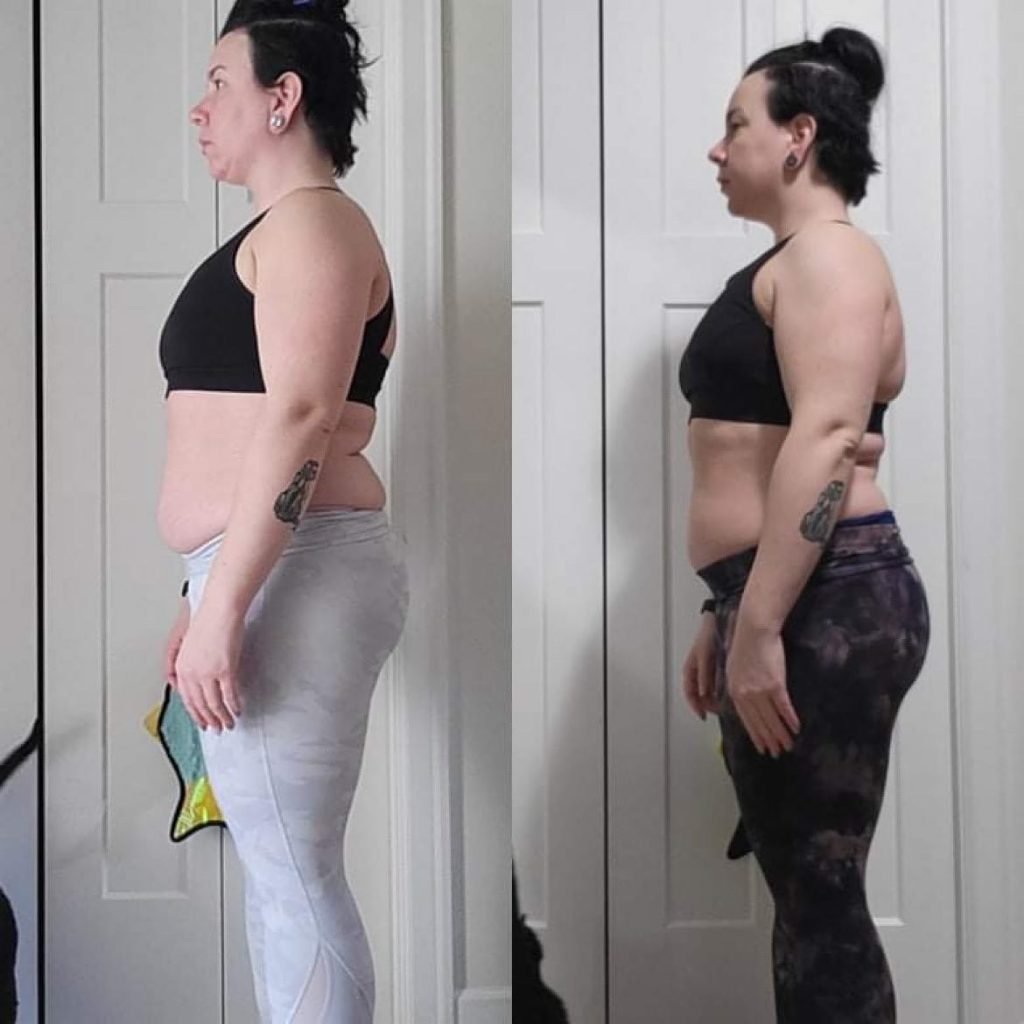
At the end of the day, we have learned that hormones significantly influence women’s weight loss and health. We’ve observed their impact on hunger, fat storage, and metabolism. Achieving hormonal balance is the goal and crucial for success but can be a challenge at first.
Through appropriate dietary choices, exercise routines, and sleep patterns, we can regain control once and for all. Small adjustments consistently will have substantial outcomes. We’re on this path together towards improved health and a more fulfilling life!