Many women will say that losing weight can be really hard, even when following diets and workout programs. Hormonal imbalances can be something that can make it harder to lose weight and can lead to more health problems as well.
When you try so hard and no matter how much you try and the scale does not move, it can be extremely frustrating. We do not want you to struggle ever again so we studied everything we could about hormone-balancing diets. To balance out your hormones, nutrition can make a huge difference and having good eating strategies will help boost your weight loss and hormonal problems.
In this article, we will go over the best foods for hormone balance and overall health. We’ll also give you tips on what to avoid and how to create an effective meal plan for your health and weight loss at once. On top of it all, we’ll cover exercise and stress management – crucial aspects of hormone health to make sure you are mentally and physically healthy.
Now time to explore how to balance your hormones and lose weight, starting your journey to better health.
Understanding Hormonal Weight Gain
Hormones make a big difference in weight gain for women. Our bodies react to changes in estrogen and progesterone, which can lead to extra pounds and health issues when not balanced.
The link between estrogen and weight
The main hormone is estrogen which impacts weight. Most women only know about estrogen for menstrual periods but this hormone plays a big role in where fat builds up on our bodies. Having too much estrogen can lead to extra pounds around the thighs and hips.
Estrogen can also make us crave sweets and mess with our blood sugar. A lot of women find it harder to shed weight as they age due to estrogen levels changes.
Our bodies are extremely complex and estrogen is a hormone that acts as key messengers. What they do is tell our cells what to do and when to do it in our body. Our whole system can be thrown off when these signals get mixed up.
That’s why it is important to follow a hormone-balancing diet for health and weight loss as a woman. Now let’s look at the main parts of a diet that can help keep our hormones in check.
Symptoms of high estrogen and progesterone balance
Let’s explore the signs of hormone imbalance now that we know about estrogen and weight loss. Having high estrogen and low progesterone can really affect different symptoms in women. These symptoms can be things like weight gain, especially around the hips and thighs.
Mood swings, irritability, and depression may also be some symptoms from it. There is a lot of women who also experience heavy or irregular periods, breast tenderness, and bloating during that time of the month.
Some other signs of hormone imbalance can include fatigue, insomnia, and headaches. Some report hair loss or thinning of the hair. It is also possible to have a decreased sex drive and vaginal dryness. A lot of women struggle with all of this without proper diagnosis and treatment.
This is why it is important for us to be healthy and maintain a healthy weight it by balancing our hormones.
Key Elements of a Hormone Balancing Diet
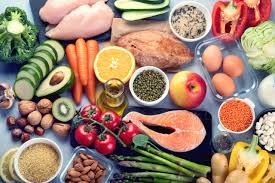
A diet that balances out hormones focuses on key nutrients such as fiber and protein as they keep it all in check.
Importance of fiber and protein
Protein and fiber are key players in a hormone-balancing diets. When we eat more fiber it helps control blood sugar and keeps us full longer. It also helps in getting rid of extra unnecessary estrogen from our bodies.
Protein is so important as well as it gives our bodies the building blocks for hormones and makes sure our blood sugar is in check.
That’s why high-fiber foods like whole grains and veggies should be added to our meals. In terms of protein, we opt for lean meats, fish, and plant-based sources like beans and nuts that really help. These type of choices not only help with weight loss, they also support hormone balance.
Now time to discuss some top foods that can boost your hormone health and aid weight management.
Integrating healthy fats
Adding healthy fats to our meals is important too. They’re key for weight loss and hormone balance. Fats like avocado, salmon, and eggs are good option to help our bodies make hormones. They also keep us full longer, so we eat less overall and have less cravings too.
Slow-burn carbs such as sweet potatoes, quinoa or whole grains work great with healthy fats. These combos supports our thyroid and adrenal glands. It gives us steady energy all day long which is helpful to get rid of that afternoon slump.
On top of it, it helps curb those nasty sugar cravings that can derail our diet plans and make us feel guilty.
Healthy fats are the secret weapon in hormone-balancing diets.
Top Foods for Hormone Balance
To help balance our hormones, it is important to eat the right foods. That’s why we picked out some top choices that work wonders for your body’s chemical messengers.
Cruciferous vegetables
Cruciferous veggies are amazing for weight loss and hormone balance. Some examples are broccoli, cauliflower, and kale. They’re all packed with fiber, which keeps our blood sugar steady and helps us feel full.
They also contain special compounds that support our body’s natural detox processes. This alone can help balance estrogen levels, which a key factor in weight loss for women as well as weight management.
Our favorite way to really enjoy these veggies that sometimes can be hard to eat is roasted with a bit of olive oil and sea salt. Literally just put on a sheet pan and in the oven until roaster. It’s super simple, tasty, and great for our hormones all at once. You want to have a goal of having at least one serving a day of cruciferous vegetables.
Not only are they good for weight loss – they are also good for our overall health and well-being.
Berries and fatty fish
Berries and fatty fish pack a powerful punch for hormone balance. We’ve seen great results with these foods in our weight loss programs. Berries like strawberries and blueberries are rich in fiber and antioxidants.
They help control blood sugar and fight inflammation. Fatty fish such as salmon and mackerel give us omega-3s. These healthy fats support our endocrine system and reduce belly fat.
We often tell our clients to add berries to breakfast and snacks. For dinner, we suggest a nice piece of grilled salmon or tuna. By just changing these little things around, it can make a big difference in hormone health.
On top of it, they are delicious and filling which makes it a win-win for any meal plan. Now we have to look at some foods you might want to avoid to balance out your hormones.
Nuts, seeds, and whole grains
Let’s talk about some power-packed foods that are not fatty fish. Nuts, seeds, and whole grains are stars in a hormone-balancing diet. We love these foods for their fiber and healthy fats.
Almonds, walnuts, and flaxseeds are great picks. They’re full of omega-3s and fiber. These help keep blood sugar steady. Whole grains like quinoa and oats are slow-burn carbs. They’re good for your thyroid and adrenal glands.
We’ve seen many women lose weight by adding these foods to their meals. They keep you full longer and stop cravings. Plus, they’re easy to add to any dish – sprinkle some on your salad or yogurt!
Foods to Avoid for Hormone Balance
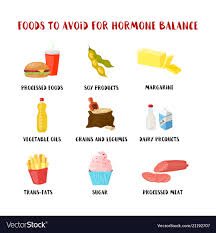
We need to watch out for certain foods that mess with our hormones. These culprits can throw off our body’s balance and make weight loss harder.
High-GI carbohydrates and artificial sweeteners
We often reach for high-GI carbs and artificial sweeteners when trying to lose weight. But these foods can mess with our hormones and make weight loss harder. High-GI carbs like white bread and sugary snacks cause quick blood sugar spikes.
This leads to insulin surges, which can promote fat storage. Artificial sweeteners, while calorie-free, may trick our bodies into craving more sweets.
Instead of these troublemakers, we should focus on low-GI carbs and natural foods. Whole grains, veggies, and fruits give us steady energy without the sugar rush. They also keep us full longer, helping curb cravings.
For sweetness, we can use small amounts of natural options like honey or fruit. This approach supports our hormones and makes weight loss easier.
The food you eat can be either the safest and most powerful form of medicine or the slowest form of poison.
Caffeine and alcohol
Moving from high-GI carbs and fake sweeteners, let’s talk about two other items to watch out for: caffeine and alcohol. These drinks can mess with our hormones and make weight loss harder.
Caffeine might give us a quick boost, but it can spike our stress hormones. This can lead to belly fat and cravings. Alcohol, on the other hand, can mess with our blood sugar and slow down fat burning.
It’s also full of empty calories that can add up fast. We’re not saying to cut these out completely, but cutting back can help balance our hormones and make losing weight easier.
Creating a Hormone Balancing Meal Plan
Creating a hormone-balancing meal plan doesn’t have to be hard. We’ve put together a simple 5-day plan to get you started. This plan includes foods that help keep your hormones in check and your weight under control.
Sample 5-Day Meal Plan
We’ve created a sample 5-day meal plan to help start your hormone-balancing journey. This plan is based on a 2,000-calorie diet and includes a variety of nutrient-rich foods that support hormone health and weight loss. Everyone’s needs are different, so adjust portions or swap ingredients as needed.
Day | Breakfast | Lunch | Dinner | Snacks |
1 | Greek yogurt with berries and nuts | Grilled chicken salad with mixed greens | Baked salmon with roasted broccoli and quinoa | Apple slices with almond butter |
2 | Spinach and mushroom omelet | Turkey and avocado wrap with carrot sticks | Lentil soup with whole grain bread | Hummus with cucumber slices |
3 | Overnight oats with chia seeds and berries | Tuna salad on mixed greens | Grilled tofu with stir-fried vegetables | Mixed nuts and dried fruit |
4 | Whole grain toast with avocado and eggs | Chickpea and vegetable curry | Lean beef stir-fry with brown rice | Greek yogurt with honey |
5 | Smoothie bowl with spinach, banana, and flaxseeds | Grilled vegetable and feta cheese salad | Baked cod with sweet potato and green beans | Hard-boiled egg with cherry tomatoes |
This meal plan focuses on balanced macronutrients, with each day providing about 30% protein, 40% carbohydrates, and 30% healthy fats. We’ve included a mix of lean proteins, complex carbs, and plenty of fruits and vegetables to support hormone balance and weight loss. The Mediterranean-style meals and high-fiber foods help regulate blood sugar and promote satiety. Adjust portion sizes as needed to meet your specific calorie needs and weight loss goals.
Tips for personalizing your meal plan
Now that we’ve covered a sample meal plan, let’s talk about making it work for you. Our bodies are unique, so your diet should be too. We’ve found that starting with familiar foods makes the change easier.
Try adding one new hormone-friendly food each week. This way, you won’t feel overwhelmed.
Our Restore Program offers monthly Zoom calls to help you stay on track. We’ve included over 65 recipes to keep things fresh and exciting. These tools make it easy to customize your meals to your tastes and needs.
Small changes add up to big results in hormone balance and weight loss.

Exercise and Hormone Health
Exercise plays a key role in keeping our hormones in check. Regular workouts can boost insulin sensitivity and help control weight – two factors that impact hormone balance.
Types of exercise beneficial for hormone balance
We know exercise plays a key role in hormone health. Here are some great workouts to help balance your hormones:
- Strength training: Lifting weights or using resistance bands builds muscle. This boosts metabolism and helps regulate insulin.
- High-intensity interval training (HIIT): Short bursts of intense exercise followed by rest periods. HIIT improves insulin sensitivity and reduces cortisol levels.
- Yoga: Gentle stretching and breathing exercises lower stress hormones. It also helps with sleep, which is crucial for hormone balance.
- Walking: A simple 30-minute walk each day can help control blood sugar and reduce belly fat.
- Swimming: This low-impact workout is easy on joints while providing a full-body workout. It helps manage weight and reduce inflammation.
- Pilates: Core-strengthening moves in Pilates improve posture and reduce back pain. This can help lower cortisol levels.
- Dance: Fun cardio workouts like Zumba or hip-hop classes boost mood-enhancing hormones. They also burn calories and improve heart health.
- Cycling: Biking, either outdoors or on a stationary bike, is great for leg strength and cardiovascular health. It helps manage weight and blood sugar levels.
Managing Stress to Regulate Hormones
Stress can mess with our hormones big time. We’ve got some cool tricks to help you chill out and keep those hormones in check.
Techniques for reducing stress
We know stress can mess with our hormones and weight loss goals. Let’s look at some ways to cut down on stress and feel better.
- Deep breathing: Take slow, deep breaths for 5 minutes each day. This simple act can lower your heart rate and blood pressure.
- Regular exercise: Moving our bodies for 30 minutes a day can boost mood and reduce stress. Try walking, swimming, or dancing to music you love.
- Healthy sleep habits: Aim for 7-9 hours of sleep each night. A good night’s rest helps balance hormones and manage stress.
- Mindful eating: Pay attention to what and how we eat. Chew slowly and enjoy each bite without distractions.
- Connect with others: Spend time with friends and family. Social bonds can lower stress and improve our overall well-being.
- Limit caffeine and alcohol: Too much of these can mess with our sleep and stress levels. Try herbal tea or water instead.
- Practice gratitude: Write down three things we’re thankful for each day. This can shift our focus to the positive aspects of life.
- Try yoga or meditation: These practices can calm our minds and bodies. Even 10 minutes a day can make a big difference.
- Get outside: Spend time in nature. A short walk in a park or garden can help us feel more relaxed and centered.
- Set boundaries: Learn to say “no” to tasks that drain our energy. This helps us focus on what truly matters.
Conclusion
Balancing hormones plays a crucial role in women’s weight loss success. A diet rich in fiber, protein, and healthy fats can significantly impact this process. We’ve provided information on beneficial foods to include and those to limit, along with suggestions for meal planning and stress management.
Exercise and quality sleep habits are also important factors. These strategies equip you for your path to improved hormone health and weight management.