
Are you at a point in your weight loss journey where you are getting frustrated with all the different kinds of diets and that you are missing out on your life? We totally get it and know how it is. So many of us women have struggled with restrictive diets that just don’t make sense with our lives.
This is where intermittent fasting comes in – it’s a more of a flexible approach that lets you focus on when you eat, not just what you’re eating.
Now before we get more into it, we do want to warn you that every diet approach might be different for everyone. One thing might work for Susan and not for you, so if intermittent fasting does not work for you, it’s okay there is something out there that will! Promise!
We were on the same boat. Just like you, we were looking for a sustainable way to boost our health and lose weight along the way. After researching thoroughly, we found that intermittent fasting can be a significant benefit for women that want that flexibility.
It’s quite interesting, isn’t it? It turns out it may help improve insulin sensitivity and reduce inflammation. In this guide, we’ll explain the details of intermittent fasting, specifically for women’s needs, give you some tips and you will come out knowing exactly how it works.
We’ll cover all the important points – the benefits, different methods to try, and some practical tips to help you get started. So, are you ready in changing your relationship with food and have a good experience this time?
Exploring Intermittent Fasting for Women
Intermittent fasting has become popular over the years among women seeking health benefits. Let’s explore how this eating pattern works for females and why it is different from men’s experiences.
Definition and Basic Principles
Intermittent fasting is a diet approach that focuses on when we eat, not what we eat. By setting specific times for meals and fasting periods. This method doesn’t necessarily tell us which foods to choose, even though we should stick to a balanced approach.
On the other hand, it guides us on when to eat them. The main idea here is to give our bodies regular breaks from digesting food and really resting.
Just like anything else, they are different ways to do intermittent fasting. Some fast for 16 hours and eat during an 8-hour window everyday. Others might eat like normal for five days and cut calories on two days of the week.
No matter which method is applied, the goal is the same – to help our bodies use stored fat for energy that way we lose it. This will lead to weight loss and other health benefits for many women.
Differences Between Men and Women in Fasting
As ladies we face unique challenges that come with fasting. Obviously our bodies are different than men’s so we react differently as well. Hormones play a big role in this. Fasting can affect our monthly cycles and hormone balance.
That’s why when we first start out, we need to be extra careful.
It’s best to slowly get into into fasting. Starting with 12-14 hour fast, and then working up to longer 16:8 fasts over time is the best approach to go about. This will help our bodies adjust without completely messing up our balance.
Hormones and menstrual cycles will thank us for that too.
Most importantly listening to your body will make all the difference as it understands what’s going on better than anyone else.
Time to look at the benefits fasting can bring us ladies…
Benefits of Intermittent Fasting for Women
Intermittent fasting can give women a range of health benefits. From weight control to better brain function, this way of eating can boost overall wellness.
Weight Loss and Fat Burn
Over the years, we’ve seen many women be successful with intermittent fasting for weight loss. All because it is a simple way to cut calories without counting every single bite. Our bodies end up tapping into fat stores during fasting periods, which makes it burn fat off.
By doing that our metabolism gets moving into high gear, helping our bodies shed pounds faster. Plus, fasting over time can boost growth hormone levels, which will help in fat loss and muscle gain.
Intermittent fasting also has a great benefit of improving insulin sensitivity. Which means that our bodies use blood sugar more effectively, which in turns reduced fat storage. With this way of eating, lots of women say they lost that stubborn belly fat.
Some see changes in just a few weeks! The best part? We never have to restrict ourselves from our favorite foods. We just adjust when we eat it.
Enhanced Insulin Resistance and Blood Glucose Control
With intermittent fasting it will help our bodies handle sugar better too. It can boost our insulin sensitivity. Which in turn means that our cells will end up responding better to insulin, and control blood sugar levels.
Dr. Jason Fung, a big fan of fasting, says it’s great for managing insulin resistance.
With fasting our blood glucose levels often get better. For women looking to lose weight and get healthy, this is crucial. Our bodies learn to use stored fat for energy as we fast instead of always relying on new incoming foods.
This shift in itself can lead to better blood sugar control. It’s like giving our bodies a tune-up to run smoothly.
Improved Cardiovascular Health
Intermittent fasting can also boost women’s heart health, which we have experienced over the years. This lifestyle is not just about losing weight– the way this eating approach is will also lower your risk of heart disease.
Research shows that fasting helps reduce blood pressure and cholesterol levels. Those are crucial to keep you in great shape.
Fasting also will help your body burn fat more efficiently. This will lead to less fat around your vital organs, and your heart. Women who fast on a regular basis most of the time have better blood sugar control.
This is going to be important to prevent diabetes, which will hurt your heart over the years. On top of it all, many of our clients tell us that they are feeling more energetic and focused – which is what we are looking for overall well-being!
Reduction in Inflammation and Anti-Aging Effects
Intermittent fasting also can help fight inflammation in our bodies. This is very important as too much inflammation can really lead to many health issues over time. Over the years we have seen that fasting can lower inflammation markers in the blood.
Think of it like like giving our body a chance to properly reset and heal as needed.
Fasting could also slow down aging. Because when we fast, our cells get a break from processing food, which really lets them repair as needed. This could actually mean less wrinkles and having more energy as we get old. Some studies also hint that fasting could help us live longer – now that’s fantastic news!
Mental Clarity and Focus Enhancement
A boost in mental clarity and focus is another benefit of intermittent fasting. Women talk about feeling more alert, and sharper when they fast.
Studies actually show that fasting can will increase brain-derived neurotrophic factor (BDNF). BDNF is a protein that gets our brain cells to grow and thrive.
Fasting also sparks the production of ketones. And that will fuel our brains differently than glucose. This can lead to better cognitive function and mental energy overtime. Better decision-making and concentration is also what we have seen women experience, especially in the morning.
Everyday our brains get a fresh start, ready to crush the day no matter what is thrown at us.
Common Methods of Intermittent Fasting
There are different ways to use intermittent fasting based on lifestyle. So let’s talk about the four most popular approaches that have become popular among women looking for a healthier life.
The 16/8 Method
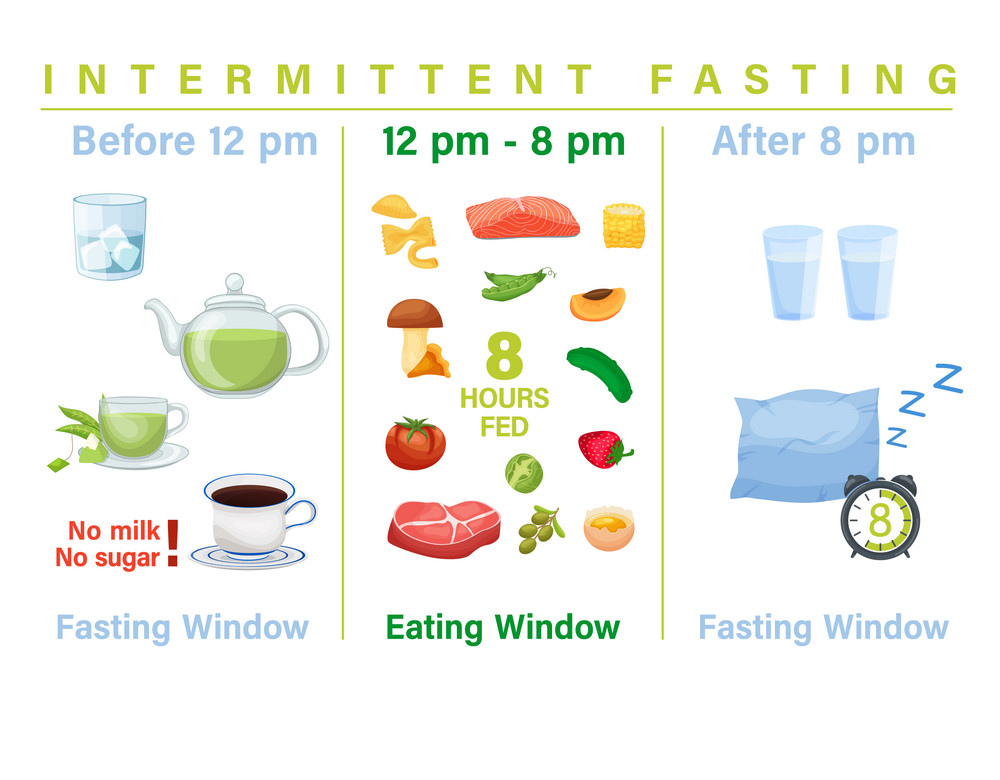
The 16/8 method is one of the most popular method of intermittent fasting. It is very easy to follow, hence why it is so loved and works well for many women. Here’s the breakdown: we fast for 16 hours and eat during an 8-hour window everyday. This is because most of us find it simpler to skip breakfast and have our first meal around noon.
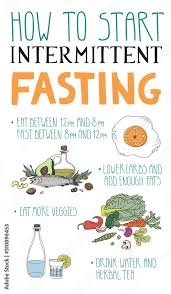
We eat between 12pm 8pm. This method of fasting could help burn fat and improve insulin levels.
The 16/8 method is a great for anyone just starting out. We do suggest easing into it slowly if you have never fasted before. . Maybe start off with a 12-hour fast and slowly work up to 16 hours. The eating window is not to eat anything you see in sight, we still want to focus on healthy, balanced meals.
It’s very important that you get get enough protein, veggies, and good fats for your body is fuel itself. Staying hydrated is also going to be super important during the fasting period. Water, tea, and black coffee are fine to drink while fasting as well.
The 5:2 Approach
The 5:2 approach is another way to fast which offers a flexible way to fast.This is when you eat normally as you would for five days a week. And then the other two days, we limit our intake to 500-600 calories. This method can work well for some women too.
It can be easier to stick to for those that get overwhelmed with daily calorie counting.
Our bodies adapt quickly to this eating pattern. Choose which days to fast based on our schedules and lifestyle. Some like to do it during the week, while others like the weekend. It’s whatever works for you and your lifestyle.
Next, let’s talk about another popular fasting method….
Eat-Stop-Eat
The Eat-Stop-Eat is another intermittent fasting method that is extremely simple and that’s why so popular. It’s a pretty much a fasting plan where you fast (don’t eat anything) for 24 hours, once to twice a week. The other five days you eat as usual.This is another way of fasting that can help burn fat and have your body use stored energy.
Busy women love this method since it can fit easily into their schedule. It’s not about counting calories daily or follow a restrictive meal plan. You just pick one or two days a week that works with your schedule to fast from one night to the next.
This flexible approach can make it easier to stick to a routine on a long-term basis, which is crucial for lasting weight loss results.
The Warrior Diet
The Warrior Diet is a little different and takes fasting to a whole new level. It’s a 20:4 fasting method – we eat one big meal at night. And then during the day, we fast or have very small snacks like fruits or veggies to keep us going and boost our metabolism. This fasting plan has a goal to mimic how our ancestors used to eat – going long periods without food, then feasting when they got a prey.
This way of fasting has seen some great results with women throughout the world. It will boost fat burning and improve focus. But it truly isn’t for everyone. Some people can find it hard to stick to it since it has such a long fasting window.
You have to remember that no matter what method you pick, it might or might not work and you and your lifestyle. Most of our clients do not use intermittent fasting because they are not eating enough in the first place. It is also very important that you listen to your body and adjust as needed. If you start to feel weak or dizzy, you might need to add more small snacks during the day or even just find a more sustainable approach for you.
Tailoring Intermittent Fasting to Female Needs
Time to tailor intermittent fasting to fit women’s unique needs and wants in their journey. This is coming from managing energy levels and syncing with menstrual cycles and hormone levels. Want to learn how? Keep reading now!
Managing Hunger and Energy Levels
One thing that might be tricky when fasting is managing hunger and energy levels. It is found that drinking lots of water helps curb cravings and stay hydrated of course. Because the #1 sign of dehydration is cravings/hunger. Herbal teas are also a great option – they’re calorie-free but give your taste buds something different than a plain flavor.
Focusing on nutrient-dense foods during eating windows is going to be crucial for energy. Lean proteins, healthy fats, and complex carbs keep us fueled longer and it is what keeps our body healthy and happy.
When you first start out it is common to feel weak or sluggish. All because our bodies need some time to adjust to new eating patterns and way of living. That’s why starting slow, and gradually extending fasting periods over weeks will be the best option and safest option to follow. This will help our systems adapt without being in shock.
Meal planning is also going to be crucial. When we prep filling, balanced meals ahead of time it will make things a lot easier to not be tempted by junk when hunger hits. Because it will hit and fast! Now it is time to look at how fasting fits with women’s monthly cycles.
Aligning Fasting with Menstrual Cycle
We all know by now that during our monthly menstrual cycles our bodies totally changes. That’s why it is clever to match our fasting habits to our periods. During our period, our body needs more energy which might makes us feel hungrier or have less energy in general. It’s okay to slow down on fasting during that time.
As we move into the follicular phase, our bodies can handle fasting better. This is when we can try longer fasts if we feel up to it and our body allows it.
Listening to our bodies cues and the way it feels is crucial during this time. Some of us may find fasting easier during certain weeks of our cycles. While others might need more food throughout the month to be able to sustain itself. There’s no one-size-fits-all approach at all. It is all about your body and how you feel. We can start with shorter fasts and then slowly increase the time as we learn how our bodies respond and what works best for us.
This way, we work with our cycles, not against them, which is going to be huge for your hormones and overall health.
Special Considerations for Women Over 50
Our bodies tend to change as we get older. That’s why women over the age of 50, needs extra care to get attention from fasting and its methods. During that time our metabolism slows down, and this is the time where we may lose muscle mass. This can eventually make it harder to lose weight. But not impossible, we just need to adjust our fasting methods to fit our new needs and lifestyle.
At this stage of live, nutrition is even more crucial. We must focus on getting enough protein, calcium, and vitamin D. These are the nutrients that will help keep our bones strong and muscles healthy. It’s very clever to talk to a doctor before starting any new diet plan of course.
Doctors can help us create a safe fasting routine that works for our unique health needs and make sure all is okay.
Potential Challenges and How to Overcome Them
It can be really hard to start a new eating plan. There’s some common hurdles you might have to conquer to stay on track with your fasting goals, and we want to show you how.
Dealing with Hunger Cravings
When fasting hunger cravings can be a real thing to struggle with. So here are some tips and tricks to overcome those cravings:
- Stay hydrated- drink that water: Water is our best friend always for our body and health. It fills up our stomach and keeps us feeling full and hydrated. If you need some flavor, try adding a squeeze of lemon.
- Stay busy and entertained: Finding a hobby or task to keep your mind off food is going to be a great idea so you don’t think about it. Puzzles, reading, or light exercise can work wonders when that happens. Honestly just go for a walk when you start feeling a craving coming.
- Spice things up: Black teas and herbal teas can help you curb your cravings. They’re especially ow in calories but big on taste which is helpful during a craving.
- Protein power: When we do eat, focus on protein-rich foods. They will keep us full longer and help fight off cravings as well as give us good nutrition for our weight loss journey and health.
- Quality sleep: A good night’s sleep helps balance our hunger hormones. You want to aim for 7-9 hours each night to keep cravings at bay. If you don’t cravings are even worse the next day.
- Eating mindfully: When it’s time to eat, savor each bite and enjoy the process. You will feel more satisfied with a lot less food when eating slowly and enjoying your meal with all 6 senses.
- Planning ahead: Know your eating window and plan meals in advance. This tactic will reduce the impulse eating and keep you on track with y0ur macronutrients too.
- Brush those teeth: Having a clean mouth can reduce food cravings since it has that minty taste to it. Plus, minty breath doesn’t mix well with most foods like oranges or any acidic foods.
- Healthy fats: Make sure to include nuts or avocado in your meals for healthy fats in your diet. They’re filling and help curb hunger between eating windows.
- Staying active: Light exercise or even a good workout can distract your body from hunger and boost mood from stress or anything going on in life. A short walk or yoga session can do the trick and will be beneficial for your health always.
Social and Lifestyle Adjustments
When you are doing intermittent fasting it can really shake up our daily routines and schedule. This is when we need to make some changes to our social lives and habits to make it work and lifestyle for the better.
- Meal planning: Planning your meals around our fasting windows is going to be super beneficial. This might mean eating dinner earlier or skipping breakfast with friends for best practices.
- Social events: Parties and dinners out can be tricky to deal with. Try to schedule these during our eating windows or bring our own fasting-friendly snacks that will help you feel better.
- Family meals: If we have kids or partners, we might need to adjust family meal ideas and times. We can still sit with them during meals, even if we’re not eating. This is going to help you create a better bond with your family.
- Work schedule: Work hours might come in the way of our fasting schedule. We might need to talk about our boss about later lunch breaks or eating at our desk could be an option.
- Exercise timing: Planning your workouts during your eating windows so that you have more energy so that you don’t feel sluggish or nauseated. Remember to listen to your body when exercising when fasting.
- Sleep routine: Quality sleep and time will affect your routine. We might need to go to bed earlier or adjust our wake-up times to match our eating schedule so that it is not overwhelming.
- Stress management: It can be stressful to fast at first. Relaxation stress techniques such as ways to relax, like yoga or deep breathing, to help us stick with it.
- Hydration habits: Drinking more water during fasting periods will be beneficial and make things easier. This might mean carrying a water bottle (an emotional support water bottle) or setting reminders to drink and alarms to remind you to drink water.
- Social support: For more accountability and support, it can be beneficial to get support from our friends and family. Getting support can help us stay on track and avoid temptations and keep us accountable to our weight loss goals.
- Meal prep: It will help us stick to our eating windows by cooking our meals ahead of time. Use the weekend or days off to prep for healthy meals for the week.
Monitoring and Managing Nutritional Intake
We need to focus on what we eat now that we adjusted our social lives.Good and healthy nutrition is crucial for women who fast to stay healthy and lose weight.
- Track calories: Counting and tracking calories on the daily basis is going to be great so we make sure we don’t eat too little or too much. Apps like MyFitnessPal can help us log our food and see our nutrient intake so we can keep track it and see our habits.
- Eat protein-rich foods: Having some lean meats, fish, eggs, or plant-based proteins in our meals is going to be amazing. Protein will helps us feel full and keeps our muscles strong during fasting as well as recover.
- Load up on veggies: We want to have our plate with half of colorful veggies. They’re low in calories but high in vitamins and fiber, which keeps us feeling full and benefit our health.
- Don’t skip healthy fats: Adding small amounts of nuts, seeds, avocado, or olive oil to our meals will help so much. These fats help our bodies absorb vitamins and keep our skin healthy as well as our brain health.
- Watch our carbs: Choose whole grains over refined carbs to get some carbs into your system since it is your #1 source of energy. Brown rice, quinoa, and whole wheat bread give us energy and fiber without spiking our blood sugar and keep us energetic longer.
- Stay hydrated: Drinking water and staying hydrated is great, even when we’re not eating and keep us full. Herbal teas and black coffee (without sugar) are okay during fasting periods too and give us a little different flavor.
- Take a multivitamin: A daily multivitamin daily will help you fill the gap in your diet if you’re worried about missing nutrients.
- Plan our meals: Prep our meals ahead of time is awesome and beneficial especially when busy. This will help us avoid unhealthy snacks when we break our fast and keep the cravings to the curb.
- Listen to our bodies: If we feel weak or dizzy, we might need to adjust our fasting schedule or eat more nutrient-dense foods that will keep us fuller longer.
- Get regular check-ups: Get some blood tests with your doctor to to check our nutrient levels, especially if we’re fasting long-term.
Tips for Getting Started with Intermittent Fasting
It can feel tricky and overwhelming to start your intermittent fasting journey, but we’ve got you. Time to share some easy tips to help you begin your fasting journey and set yourself up for success overtime.
Setting Realistic Goals
Having and setting some realistic goals is going to be crucial when starting intermittent fasting. Knowing what you want to achieve is going to help you stay on track in a realistic and sustainable way. Aiming for small, doable changes at first will help know where you started and where you are going. This will help build confidence and keeps us motivated for the better especially on the down days.
Start focusing on one or two simple goals to begin with that way it is not overwhelming and too much to focus on. You might start off fasting 12 hours overnight, then slowly work up to 16 hours as you get used to it. That way it gives your body time to understand the changes.
We can set new goals that push us a little more as we progress throughout the journey. This is when maybe we’ll try a different fasting method of gradually fast for longer periods of time. And most importantly pay attention to how our body responds to it. The goal here is to set very our specific and measurable goals that allow us to track. Remember that having big goals is great but breaking down into smaller ones will give you some wins under your belt and keep you motivated.
This method will help track our progress and celebrate our wins along the way. Getting lasting results in our weight loss journey and intermittent fasting journey will come from consistency and gradual progress.
Gradually Increasing Fasting Windows
By now we have already set our goals. So let’s get into working our way to fasting. This is when we will start small and work our way up to where our goal is. Our bodies need some time to adjust to new eating patterns and lifestyle change. We start off with a 12-14 hour fasts and slowly stretch to 16:8.
This very slow gradual approach helps our bodies and systems adapt to the new way of living without going into shock.
Success comes from a gradual increase overtime. It’s like if you are training for a marathon – you don’t run 26 miles on day one, you slowly work y0ur way up during your training routine. While most importantly listening to our bodies cues. This is a great approach help us stick with fasting on a long-term basis.
It also decreases side effects like hunger cravings or low energy out of the way. Taking it step by step, seta ourselves up for lasting change that will make an impact forever.
Staying Hydrated and Maintaining Electrolyte Balance
After we got to slowly build up our fasting windows. This is when we need to focus on staying hydrated. Water is going to become your best friend during fasts for your body to stay alive. Aim to drink at least 8-10 glasses daily to stay hydrated. Electrolytes make a difference too.
Our bodies actually need electrolytes like sodium, potassium, and magnesium to work well and be healthy. We can get these from adding a pinch of salt to our water (no it does not affect the flavor) or even get sugar-free drinks.
Sipping on herbal tea or sparkling water helps curb those hunger cravings and give a little different flavor than just water too. It’s also very smart to eat foods high in water when like cucumbers, celery, and watermelon to break the fast.
These options will keep us full and hydrated at the same time. When drinking enough and keeping our electrolytes in check, our fasts will feel easier, we will feel better and see more results overtime.

Additional Resources and Support
Hope this was already lots of great value and resource to start off your intermittent fasting journey. We also have recommended books, online groups, and forums that you can join or follow. You’ll find a lot more information about the subject and support to keep you going strong and motivated on your fasting journey.
Recommended Reading and Guides
For more of an in-depth exploration of intermittent fasting, we recommend audiobooks by experts like Dr. Jason Fung and Dr.Michael Mosley.
They both give very clear, science-backed advice that’s easy to follow and understand. Another great option we love is “Intermittent Fasting for Women” by Scott Clark.
This book is easy to ready and is filled with information specifically for women in their fasting journey.
Online guides and articles from any reputable health websites are also valuable and will give you lots of resources and value as well. They often make these complex ideas into easy to ready information. You want to look for pieces that cover the basics, address common concerns, and offer practical tips that you can apply right away.
Online Communities and Forums
Online groups will also be a great help and sense of community when trying to lose weight. These spaces let women share tips, ask questions, and cheer each other on as they are all in the same journey together. They’re like a virtual support team, which is always good to have!
Many of these forums have special areas for different types of fasting and weight loss in general. You’ll find different threads about 16/8, 5:2, and other methods that we might not even have covered today. On top of it, there’s a wealth of info on how to deal with hunger, plan meals, and stay on track that is available to you.
It’s nice to know you’re not alone in your journey cause it can be very lonely sometimes – and these groups prove just that.
Conclusion
We got deep into intermittent fasting for women. This eating/ fasting approach gives out numerous benefits, including weight loss and improved overall health. It’s adaptable and can be integrated into various lifestyles.
the biggest tip here is to start off slowly and pay attention to your body’s signals. With this time and attention, you can successfully incorporate intermittent fasting into your routine and weight loss journey.