
When trying to lose weight, it can feel like an uphill challenge battle for us women. Most of the time, we find ourselves stuck in a frustrating cycle of dieting, excessive exercising, and still not seeing the results we want whatsoever.
This can really affect our confidence, mental health, and well being.
Trust me, you’re not alone. We have all been there, feeling discouraged and wanting to give up. But there’s hope! There is now research that shows that losing weight successfully will improve our mental health and well being as well as our vitality.
That’s why we’re going to dive deep into the connection between mental health and weight loss for women.
In this article, we’re going to talk about how our minds and bodies work together on this weight loss journey. You’ll find practical tips to bring that mood up, build self esteem and confidence and create lifestyle changes.
Ready for a fresh take on weight loss that nourishes both body and spirit? Let’s gooo!
Understanding the Connection Between Weight Loss and Mental Health
Mental health and weight loss are connected together. Since our minds and bodies together, it affects how we feel about our weight and self.
Psychological impacts of weight change
Over the years, we have seen and experienced how weight loss affects a women’s mental health. When losing pounds, it really boosts self-esteem and moods in general. As we lose more weight, our mental health and view of ourselves goes up.
In fact, we actually found a clear connection between feeling better mentally and weight loss (r = -0.20, p < .001).
Shedding that extra weight can also reduce the feeling of anxiety and depression too. Our data reveals that women who lost weight felt less anxious (r = -0.16, p = .001) and had fewer depression symptoms (r = -0.13, p = .004).
This backs up what many of us have felt – a lighter body often means a lighter mind. One of our clients put it this way:
“Each pound I lost felt like a weight off my shoulders, not just my body.”
The role of self-esteem and body image
Self-esteem and body image play a huge role in weight loss for women. Our research shows that higher positive well-being is linked to more weight loss (r = -0.19, p < .001). This means feeling good about ourselves helps us shed pounds.
Body image affects how we see ourselves and our worth. Poor body image can lead to unhealthy habits and make weight loss harder.
We’ve seen it over and over again how boosting self-esteem really helps women reach their goals once and for all. The real difference is that we are focusing on health, not the way we look. And that’s key to success! Getting some small wins under your belt will build confidence over time. Setting realistic targets and celebrating progress lifts spirits.
Having a good, positive mindset about the journey will makes the journey easier and more successful. Now, let’s explore the mental challenges many of us face when losing weight.
The Psychological Challenges of Weight Loss
When we lose weight, it can be mentally. We often have to face tough mental hurdles at one point or another that make the journey a little harder than we expect.
Negative self-talk and its effects
We sometimes hear a little voice in our heads. This tiny voice can be very mean, telling us we’re not going to lose the weight, we can’t do it, we are not good enough, etc.When we do that is is considered negative self-talk, and it can lead to a big problem. All because negative self-talk makes us feel bad about ourselves and can really hinder us to get healthy.
This kind of talk to outselves hurts more than others saying it, which hinders our weight loss chances overall. This feeling leaves us stressed, which then can turn into comfort eating. And the worst one is that we might give up on our goals because just because that little voice thinks we’ll fail.
All of that can 100% change! By taking these thoughts and swapping them with kinder ones, we can boost our mood and stick to our health plans.
All-or-nothing thinking in dieting
You know the all-or-nothing thinking that you have?! It can really play a trick on us in our weight loss journey. That mindset is where we think we have to go from 0 to 100 and have everything so perfectly in place or else we will fail. There is no middle group with that train of thought. We might think, “I ate one cookie, so my whole day is wasted and now it’s salad for the rest of the day.” This mindset often leads to giving up or binge eating, or even both.
We need to break free from this ASAP. So instead of seeing things as black or white, we can aim for balance and have a middle grey section. Small slip-ups here and there will no tour entire journey at all. That’s why we focus on progress, not perfection! That way we can actually set ourselves up for long-term success.
Now, let’s talk about how stress affects our mindset and weight loss too.
Progress over perfection, is the key to sustainable weight loss.
Stress and its influence on eating behaviors
Coming from all-or-nothing mindset, let’s talk about stress. It is one of the biggest player in our eating habits. Stress can make us reach and eat certain foods based on comfort or even totally skip meals.
We’ve all experience how stress messes with our food choices and portions. What happens is that your body pumps up our cortisol levels, making us crave sugary and fatty foods. That can lead to overeating or binge eating (which is not what we want).
This vitality score shows that exactly. At six months, vitality predicted weight change at twelve months (b = −.21, p < .001). This means feeling good and having a greater self-esteem actually affects how much weight we lose. Stress management is going to be crucial for losing weight successfully,
We can use relaxation techniques like yoga, meditation, or deep breathing exercises to help keep stress in check.

Mental Health Benefits of Successful Weight Loss
Losing weight can boost our mental health in big ways. We obviously feel happier and proud of ourselves when we reach our weight goals.
Improved mood and reduced symptoms of depression
When we lose weight, our spirits can really lift our spirits and moods. Many women say that they feel happier after losing weight. Our research actually backs this up. One study found that anxiety levels dropped as weight came off (r = -0.16, p = .001).
This means that you will worry less and enjoy your day to day life more.
Weight loss can lead to better self-image and confidence in general. As you see the the number on the scale go down or your clothes fitting better, it definitely increase self-esteem and confidence levels. We feel more energetic, positive and it makes things easier to laugh and smile more.
These types of mood boosts can help fight off sadness and low spirits. It’s like a domino effect – one little change leads to another and it is the best feeling.
Enhanced self-confidence and body image
When we are losing weight, it brings a boost to our self-image. As pounds drop, we tend to feel better about how we look, and feel. And this is not just skin-deep – it goes right to our core and mindset. Our research shows a clear link between weight loss and higher positive well-being (r = -0.19, p < .001).
What it means is that as we lose more and more weight, we feel happier overall.
Self-confidence is the best outfit. Rock it and own it 100%! You deserve it!
Body image starts to improve too. We see ourselves in a new light. Clothes are fitting better, and we might try on new styles. This new way of feeling will spill into other areas of our lives.
We may feel more sure and confident of ourselves at work or in social settings. It’s about feeling good in our own skin. Not just the looks! And that feeling? It’s amazing and priceless.
Decreased anxiety levels
As we build a stronger self-image, we most of the time will feel our anxiety slowly leaving. This connection between weight loss and less worry is real. We’ve seen many women feel calmer and happier as they lose those pounds.
It’s mostly about feeling in control.
Losing weight can help release the mental load we carry. Our bodies start to produce less stress hormones when we’re at a healthy good weight. This is the best cause we start to feel better, have less tension, have less racing thoughts, breathe easier and have more energy on a day to day basis.
It’s like lifting a heavy carry load off our shoulders. We feel lighter in body and mind.
Common Mental Health Conditions Linked to Obesity
Obesity goes hand in hand with mental health issues. Anxiety, depression, and eating disorders are some for example. Want to learn more? Keep reading!
Anxiety and panic disorders
Anxiety and panic disorders can be common in women trying to lose weight for a while. That can make things harder. Anxiety might causes us to actually eat more or avoid exercise all together. Panic attacks can have us feeling drained and scared of new things.
As women are seeing progress in their weight loss journey, anxiety goes down. In one study, lower anxiety was linked to weight change (r = -0.16, p = .001).
Addressing these mental health problems is essential for a successful weight loss journey! We’ve found that relaxation techniques, therapy and gradual exposure to feared situations can really help.
Some benefit from medication too. It’s crucial to work with a doctor to find the right approach for you and your lifestyle. Taking care of your mental health is just as if not more important as watching what you eat.
When treating anxiety it’s not just about feeling better—it’s about giving yourself the chances to get to your health goals.
Depression and mood swings
Mood swings and depression can make weight loss more challenging. When you lose weight, your mood improves. In fact, we observed a correlation between lower depression scores and weight change (r = -0.13, p = .004).
This shows that losing weight equals to better mood. However, it’s not always like that. Mood fluctuations can lead to comfort eating, overeating or even skipping workouts day after day. That’s why it’s important to assess depression at the beginning, six months in, and after a year of your weight loss journey.
Managing these emotional fluctuations is the most important for your success. Some days you might feel excellent, others… not so much. This is totally normal The positive aspect? As you maintain and keep healthy habits to your life, your mood tends to stabilize itself.
You might have less stress, improved sleep, and more energy. These are amazing benefits that will help you maintain your weight loss goals. Keep in mind that it’s a process – be compassionate to yourself throughout the journey.
Eating disorders
Let’s talk eating disorders. These are serious mental health issues that are link to weight struggles and need to be addressed. Many women struggle with disorders like anorexia, bulimia, and binge eating.
These can mess with your mind and body in big ways.
They aren’t just about food like some people think. They’re complex problems that can come from from low self-esteem, stress, or even past trauma. We’ve found that women trying to lose weight are at higher risk of dealing with it.
The social pressure to be thin can sometimes push people too far. It’s very important to know the signs early and get help ASAP. Healthy weight loss should never come at the cost of your mental health.

Strategies for Managing Mental Health During Weight Loss
We now know weight loss can be challenging on your mind. So let’s talk about some ways to keep your mental health in check while in your weight loss journey. These tips will help you stay positive and focused on your goals.
Keeping a journal to track progress and emotions
Keeping a journal can be a game-changer for weight loss. It’s not just about tracking what you are consuming– it’s a great tool for knowing your emotions too. Writing down how you feel helps you spot patterns in your day and eating habits.
You might notice that you end up snacking more when stressed or skip a meal entirely when sad. Having this awareness is crucial to make lasting changes.
Women who journal regularly lose more weight. It makes them better at sticking to their goals and handling setbacks/challenges. Writing down your progress no matter how big or small, helps boosts your mood and keeps you going.
Just like a cheerleader in your pocket, reminding you of how much you’ve already achieved. Plus, it’s a good way to let out any frustrations or celebrate wins without turning to food right away.
Making small, manageable changes to habits
Time to talk about making small changes to our daily habits. Big shifts can be scary, but tiny tweaks here and there add up over time. Starting with one small goal – like drinking an extra glass of water per day – can start real progress.
Out of 588 people, those who made gradual changes stuck to them on a long term basis. They felt less stressed about it and more in control of their weight loss journey overall.
Habit stacking is another great trick we love to implement. This is when we add a new healthy habit to something we already do everyday. For example, we do five squats while brushing our teeth. It’s easy and keeps it fun! This method helps many build lasting healthy routines overtime.
Small steps everyday lead to big wins in both mental health and weight loss.
Learning relaxation techniques and prioritizing sleep
Relaxation and sleep is crucial for weight loss. Learning to unwind will help us manage our stress, which can turn to overeating. Muscle relaxation or deep breathing exercises are simple techniques that can calm our minds and bodies.
They are not time consuming but can make a big difference in how we feel overall.
Getting enough sleep is the most crucial. Poor sleep can really disrupt your hunger hormones, making us crave more food the next day. Aim for 7-9 hours each night. Create a bedtime routine that helps you wind down at least 1 hour ahead.
Might include reading a book or taking a warm bath. Quality sleep and relaxation boosts our vitality overall. Higher vitality is the strongest predictor of weight change.
When focusing on these areas, we’re setting ourselves up for success in our weight loss journey.
Seeking professional help when needed
We know asking for help can be tough to do. But it’s okay to reach out when weight loss gets hard. A doctor or therapist can offer support and new ideas. They’ll listen to you without judging and help us find better ways to cope with your situation.
Both our physical and mental health matters. That’s why getting expert advice makes the journey easier and more successful.
Talking to a pro doesn’t mean we’ve failed. It means we’re brave enough to get the tools we need to succeed. They can spot issues from a different perspective that we ourselves might have missed and suggest treatments that work for us personally. Whether it’s a nutritionist, counselor, or weight loss specialist – their know-how can make a big difference.
Don’t be scared from getting the right help at the right time.
Addressing Weight Stigma and Its Mental Health Implications
Weight stigma is something that really hurts. It makes us feel bad about ourselves and can mess with our mental health. Time to fight this unfair treatment to help people feel better.
Understanding the emotional effects of being labeled overweight
We know being called “overweight” hurts mentally. It can make us feel ashamed, sad, and angry. These labels stick in our minds, affecting how we see ourselves in the mirror. Many women end up avoiding social events or miss out on fun because of these feelings.
This emotional toll isn’t just in our heads. There’s studies that show that weight stigma can lead to high stress levels and even sometimes depression. It can make it harder to lose weight too. This negative cycle works – feeling bad about ourselves can lead to comfort eating or giving up on healthy habits.
There’s hope! Understanding these effects is the first step to breaking free from them once and for all.
Combating stigma to improve mental health outcomes
Let’s be straight up – weight stigma hurts! It makes us feel bad about ourselves and can really mess with us mentally. But we don’t have to take it lying down. It’s time to fight back against these harmful attitudes.
How you may ask? By speaking up when we hear these hurtful comments. By loving our bodies at any size because everyone is different. And by surrounding ourselves with positive people who lift us up instead of pulling us down.
Changing minds takes time, but it’s so worth it. As we work to end this stigma, we’ll feel better about ourselves overtime. Our stress levels may drop, which makes it easier to make healthy choices.
When on a weight loss journey, those who feel less stigma have better results. They lose more pounds and keep it off longer. So let’s stand tall and proud – our mental health will thank us for it.
The Role of Cognitive-Behavioral Approaches
Cognitive-behavioral approaches are great tools for weight loss. These methods help change negative thoughts and behaviors around food and body image in general. So let’s explore how these techniques can lead to lasting success in your weight loss journey!
Techniques for overcoming psychological barriers
We face mental roadblocks when trying to lose weight. These can be hard to stick to our goals. But there are ways we can break through them. One key method is to challenge negative thoughts.
We can replace “I can’t do this” with something like “I’m learning and improving.” This shift in mindset and talking can boost our confidence.
Another technique is setting small, doable goals. Instead of aiming to lose 50 pounds, we start with 5 and move our way up to the big goal. This builds momentum and keeps us motivated and get some wins under our belt. People with higher self-control tend to have more success in their weight loss journey.
Using these methods, we can overcome mental hurdles and move one step closer to our health goals.
Cognitive-behavioral strategies for sustainable weight loss
Building on ways to overcome mental hurdles, let’s find some powerful tools for lasting weight loss results. Cognitive-behavioral strategies will help change how we think and act around food and exercise.
These methods actually focus on spotting negative thoughts and swapping them out right away with positive ones.
Setting small, doable goals works wonders. Instead of aiming to lose 100 pounds right away, we start with 5 or 10 and then build it up as we get further along in our weight loss journey. This will increase our confidence and keeps us going especially when things get tough. Tracking our food and moods in a journal will help notice patterns and make smart choices.
We also practice self-talk that’s kind and encouraging to ourselves and motivating too. Saying “I can do this” instead of “I’ll never lose weight” makes a big difference in the way your brain processes it. These tools lead to higher positive well-being and more energy overall.
With time, consistency and practice, these new habits become second nature, helping us keep the weight off for good.
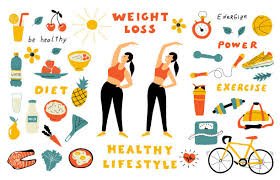
Impact of Lifestyle Interventions on Mental Health and Weight Loss
Changing our daily habits can boost both our mental health and weight loss efforts. Want to learn more about how lifestyle changes can make a big difference? Keep reading!
Clinical findings on lifestyle changes and mental health
There are some promising results with the impact of lifestyle modifications on mental well-being. A 12 month study examined various methods to help women lose weight.
The findings showed that a combined approach is the most effective. Women who got a workbook, computer assistance, and staff support achieved way better results compared to those who only had a workbook in hand.
Not only did it help with weight loss but also improved their overall mood and decreased stress levels.
Lifestyle changes overtime can significantly make a difference in our emotional state. Better dietary habits, more physical activity, and getting quality sleep all make a difference.
These changes don’t just affect weight – they also enhance our mood and reduce anxiety overall (which is what we want). Women who implemented these lifestyle changes, have more sense of control and a more positive outlook of their journey and life.
It’s very obvious that taking care of our physical health has a direct positive impact on our mental health.
The importance of integrated approaches to health and wellness
We’ve seen how mental and physical health go hand in hand in our life. Women who focus on both at the same time lose more weight and keep it off longer which is the ultimate goal.
At the 6-month mark, those who use integrated methods reported better overall well-being on the Psychological Well-Being scale.
When combining healthy eating, exercise, and mental health it creates a powerful trio. It’s not just about counting calories or gym time. We need to also focus on stress, sleep, and self-image too.
This full-circle approach helps women create sustainable habits overtime and a positive mindset. It’s the secret sauce for reaching weight goals while boosting happiness and confidence in life and journey.
Conclusion
We now know how mental health and weight loss are deeply linked. Better mental health will lead to more success in losing weight. And losing weight often improves mental well-being.
It’s a two-way street that affects our whole lives and journey forever. Taking care of both our minds and bodies is crucial. We can achieve lasting health by focusing on both mental and physical wellness together.