
Intermittent fasting can sound incredibly simple.
You choose a fasting window.
You choose an eating window.
Then you repeat.
But here’s where many women run into trouble.
They spend hours fasting, only to open their eating window and think:
“I can eat whatever I want now.”
Then the eating window becomes a free-for-all.
Maybe you skip protein.
You barely eat any vegetables.
You grab something quick.
You’re hungry again an hour later.
By the end of the day, you’re wondering why intermittent fasting isn’t helping you feel better or reach your weight-loss goals.
The truth is, what you eat during your eating window still matters.
Intermittent fasting doesn’t automatically make an unhealthy diet healthy.
If you want to use fasting as part of your routine, your eating window should give your body the nutrients, protein, fiber, and energy it needs.
Let’s look at what women should eat during an intermittent fasting eating window, especially when the goal is sustainable weight loss.
What Is Intermittent Fasting?
Intermittent fasting is an eating pattern that alternates between periods of eating and fasting.
Unlike traditional diets, intermittent fasting generally focuses more on when you eat than exactly what foods you eat.
Some common approaches include:
- 12:12
- 14:10
- 16:8
- 18:6
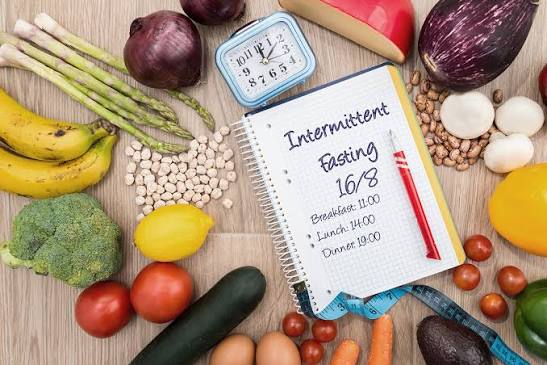
For example, a 16:8 schedule means fasting for approximately 16 hours and eating during an 8-hour window.
That doesn’t mean you have to follow 16:8 to see results.
In fact, a shorter fasting period may be easier for some women to maintain.
The best schedule is one that fits your lifestyle, nutrition needs, and preferences.
Can Women Lose Weight With Intermittent Fasting?
Intermittent fasting can be one way to structure your meals and potentially reduce overall calorie intake.
However, fasting itself isn’t a magical fat-burning switch.
Weight loss still depends largely on your overall energy balance.
If you consistently consume more energy than your body uses, shortening your eating window doesn’t guarantee weight loss.
This is why what you eat during that window matters.
You want your meals to be satisfying enough that you’re not spending the entire day thinking about food.
What Should Women Eat During Their Eating Window?
Instead of thinking:
“What can I fit into my eating window?”
Think:
“How can I make my eating window as nutritious and satisfying as possible?”
Build your meals around a few key components:
Protein + fiber-rich carbohydrates + fruits and vegetables + healthy fats.
You don’t need every meal to contain every single category.
But across the day, these foods can help you create balanced nutrition.
1. Prioritize Protein
Protein should be one of your biggest priorities during your eating window.
This becomes particularly important if you’re trying to lose fat while maintaining muscle.
When you’re eating fewer meals because of fasting, you have fewer opportunities to consume protein.
That’s why each meal needs to count.
Good protein choices include:
- Eggs
- Chicken
- Turkey
- Lean beef
- Fish
- Shrimp
- Greek yogurt
- Cottage cheese
- Tofu
- Tempeh
- Beans
- Lentils
- Protein shakes
Try to make protein the centerpiece of your main meals.
Instead of building a meal around bread, rice, or pasta, start with your protein.
Then add everything else.
2. Eat Plenty of Vegetables
Your eating window isn’t an excuse to forget vegetables.
Vegetables provide fiber, vitamins, minerals, and plenty of volume.
They can also make meals more satisfying without adding a huge amount of calories.
Try adding:
- Spinach
- Broccoli
- Bell peppers
- Zucchini
- Carrots
- Green beans
- Cucumbers
- Tomatoes
- Brussels sprouts
- Cauliflower
Frozen vegetables count too.
You don’t need to spend 30 minutes chopping vegetables every night.
3. Include Fruit
Fruit is another food group that often gets unnecessarily restricted during weight loss.
You don’t need to fear the natural sugar in fruit.
Fruit provides fiber, vitamins, minerals, and carbohydrates.
Easy options include:
- Berries
- Apples
- Bananas
- Oranges
- Grapes
- Pineapple
- Mango
- Kiwi
Fruit can make an excellent addition to breakfast or a snack.
Try Greek yogurt with berries.
Or an apple with peanut butter.
Or a banana alongside a protein shake.
Simple works.
4. Don’t Eliminate Carbohydrates
Carbohydrates can absolutely fit into an intermittent fasting plan.
They can provide energy for workouts and daily activity.
Good options include:
- Potatoes
- Sweet potatoes
- Rice
- Oats
- Quinoa
- Whole-grain bread
- Whole-grain pasta
- Beans
- Fruit
You don’t need to eliminate carbs because you’re trying to lose weight.
Instead, pay attention to portions and build balanced meals.
For example:
Chicken + rice + vegetables + avocado
is very different from eating an enormous bowl of plain rice and calling it dinner.
Balance matters.
5. Include Healthy Fats
Dietary fat plays an important role in overall nutrition.
It also makes meals more enjoyable.
Some options include:
- Avocado
- Nuts
- Seeds
- Nut butter
- Olive oil
- Fatty fish
- Olives
You don’t need huge amounts.
Fat is calorie-dense, so portions can matter when you’re trying to lose weight.
But eliminating it completely isn’t necessary.
What Should Your First Meal After Fasting Look Like?
This is one of the most important parts of your eating window.
You don’t need to “make up” for the hours you spent fasting.
Instead, start with a balanced meal.
For example:
Option 1:
Eggs + avocado toast + berries
Option 2:
Greek yogurt + berries + chia seeds + granola
Option 3:
Chicken rice bowl + vegetables + avocado
Option 4:
Protein smoothie + banana + peanut butter
Option 5:
Turkey wrap + vegetables + fruit
The goal is to give your body useful nutrition instead of immediately reaching for highly processed foods because you’re starving.
How Many Meals Should Women Eat During Their Eating Window?
There’s no universal answer.
Some women prefer two larger meals.
Others prefer three meals.
Some include a snack.
The important thing is that you can meet your nutritional needs without feeling constantly stuffed or constantly hungry.
For example, an 8-hour eating window might look like:
12:00 PM — Lunch
Chicken bowl with rice, vegetables, and avocado.
3:00 PM — Snack
Greek yogurt, berries, and a small handful of nuts.
7:00 PM — Dinner
Salmon, potatoes, and vegetables.
That’s it.
You don’t need to eat every hour simply because your eating window is open.
Should You Eat More Because You’re Fasting?
Not necessarily.
One of the biggest mistakes people make with intermittent fasting is treating the eating window like a reward.
They think:
“I haven’t eaten all day, so I can eat whatever I want.”
But your body doesn’t need you to compensate with a massive amount of food.
If your goal is weight loss, you still need to be mindful of your overall energy intake.
You don’t have to count every calorie.
But portion awareness can help.
What About Snacking During Your Eating Window?
Snacks aren’t automatically bad.
If you’re genuinely hungry between meals, a nutritious snack can be useful.
Try combining protein with another filling food.
For example:
Greek yogurt + berries
Apple + peanut butter
Cottage cheese + fruit
Protein shake + banana
Hard-boiled eggs + vegetables
The goal isn’t to avoid snacks.
It’s to make your snacks work for you.
What About Dessert?
Yes.
You can have dessert.
Intermittent fasting doesn’t require you to give up chocolate, ice cream, cookies, or other foods you love.
If you want dessert, include it intentionally.
For example, you could have a balanced dinner and then enjoy a small serving of ice cream.
There’s no reason to turn your eating window into a period of restriction followed by guilt.
A sustainable approach has room for foods you enjoy.
What Should You Drink During Your Eating Window?
Water should be your primary beverage.
You can also enjoy:
- Sparkling water
- Unsweetened tea
- Coffee
- Milk
- Smoothies
- Other beverages that fit your nutritional goals
During the fasting period, whether a particular beverage “breaks” your fast depends on the fasting approach you’re following.
If strict fasting is important to you, beverages containing calories generally aren’t considered fasting.
However, there’s no need to make fasting unnecessarily complicated.
Don’t Forget Hydration
If you’re fasting for several hours, staying hydrated is especially important.
Thirst can sometimes feel similar to hunger.
Keep water available throughout your day.
You can drink water during your fasting period unless your healthcare professional has given you different instructions.
Adding electrolytes may be useful in certain situations, particularly with heavy sweating or prolonged fasting, but they aren’t automatically necessary for everyone.

What About Coffee During a Fast?
Black coffee is commonly consumed during fasting because it contains very few calories.
However, pay attention to how caffeine makes you feel.
If coffee makes you anxious, shaky, hungry, or interferes with your sleep, more isn’t better.
And remember that sleep is an important part of a healthy weight-loss plan.
Don’t sacrifice your sleep just to extend your fasting window.
A Sample Eating Window for Women Trying to Lose Weight
Here’s one example of how you could structure an 8-hour eating window.
12:00 PM — First Meal
Egg scramble with:
- Eggs
- Spinach
- Bell peppers
- Potatoes
- Avocado
- Berries
This gives you protein, carbohydrates, fiber, healthy fats, and plenty of nutrients.
3:30 PM — Snack
Greek yogurt with:
- Berries
- Chia seeds
- Small amount of granola
7:00 PM — Dinner
Chicken bowl with:
- Grilled chicken
- Rice
- Black beans
- Lettuce
- Tomatoes
- Salsa
- Avocado
Optional Dessert
A small serving of dark chocolate or another dessert you genuinely enjoy.
Notice that this isn’t a “diet food” menu.
It’s simply balanced food.
Foods to Limit During Your Eating Window
There’s no need to create a giant list of forbidden foods.
However, some foods can make it harder to manage hunger and overall calorie intake.
Highly processed foods can be easy to overeat because they’re often calorie-dense and highly palatable.
This doesn’t mean you can never eat them.
Instead, make them part of your overall diet rather than the foundation of it.
A good question to ask is:
“Will this meal actually keep me satisfied?”
If the answer is no, add protein, fiber, or more volume.
Intermittent Fasting and Strength Training
If you’re using intermittent fasting while trying to lose weight, don’t forget about muscle.
Resistance training can help you maintain muscle during weight loss.
This becomes especially important if you’re eating fewer calories.
Try to include strength training several times per week.
You don’t need to train fasted.
If you feel stronger and perform better after eating, schedule your workout inside your eating window.
Your workout doesn’t need to revolve around fasting.
Your nutrition should support your training.
Can Intermittent Fasting Work for Busy Women?
For some women, yes.
One potential advantage is simplicity.
You might prefer skipping breakfast rather than planning three meals plus snacks throughout the entire day.
However, fasting isn’t automatically better for busy women.
If fasting leaves you exhausted, distracted by food, or unable to get enough protein and nutrients, another eating pattern may work better.
The best nutrition strategy is the one you can consistently follow.
Intermittent Fasting Isn’t Right for Every Woman
This is important.
Intermittent fasting isn’t appropriate for everyone.
Women who are pregnant or breastfeeding should not begin fasting for weight loss without guidance from their healthcare provider.
It may also be inappropriate for people with certain medical conditions, those taking medications affected by food intake or blood sugar, or people with a current or previous eating disorder.
If you have a medical condition or you’re unsure whether fasting is appropriate for you, talk with your healthcare professional first.
Common Mistakes Women Make During Their Eating Window
Mistake #1: Eating Too Little Protein
If your eating window is short, protein becomes even more important.
Don’t let your meals become mostly carbohydrates and snacks.
Mistake #2: Saving All Your Calories for Dinner
You don’t need to spend the entire day thinking about food so you can have an enormous dinner.
Spread your nutrition across your eating window.
Mistake #3: Treating Fasting Like a Free Pass
Fasting doesn’t mean you can eat unlimited amounts during your eating window.
Your overall intake still matters.
Mistake #4: Eating Too Quickly
After fasting, you may be tempted to eat extremely fast.
Slow down.
Give yourself time to enjoy the meal.
Mistake #5: Making Your Diet Too Complicated
You don’t need special fasting recipes.
You need balanced meals made from foods you enjoy.
The Best Eating Window Is the One You Can Maintain
You don’t need to follow someone else’s fasting schedule.
Maybe 16:8 works for you.
Maybe 14:10 feels better.
Maybe you prefer eating breakfast and using a 12-hour overnight fast.
That’s okay.
There is no award for fasting the longest.
Your eating pattern should support your:
- Energy
- Workouts
- Hunger
- Sleep
- Social life
- Family schedule
- Nutritional needs
If your fasting window makes your life miserable, it’s worth reconsidering.
Frequently Asked Questions About Intermittent Fasting for Women
What should I eat first after fasting?
Start with a balanced meal containing protein, carbohydrates, healthy fats, and fruits or vegetables. You don’t need a huge meal to compensate for the fasting period.
Can I eat carbs during intermittent fasting?
Yes. Carbohydrates can absolutely be part of a balanced intermittent fasting plan.
Can I have dessert during my eating window?
Yes. Dessert can fit into a healthy weight-loss plan when your overall food intake supports your goals.
How much protein should women eat during intermittent fasting?
Protein needs vary based on body size, activity, age, and goals. If you’re trying to lose weight while maintaining muscle, prioritizing protein at each meal is a useful strategy.
Can I work out while fasting?
Some people feel fine exercising while fasted. Others perform better after eating. If you feel weak, dizzy, or unwell, don’t force fasted exercise.
Does intermittent fasting work better than regular calorie restriction?
Research generally suggests that intermittent fasting can be an effective approach for weight loss, but it isn’t necessarily superior to other methods that create a similar calorie deficit.
Final Thoughts
Intermittent fasting doesn’t have to mean spending half your day starving and then eating everything in your kitchen.
If you choose to use intermittent fasting, think of your eating window as an opportunity to nourish your body well.
Prioritize protein.
Eat vegetables and fruit.
Include carbohydrates.
Include healthy fats.
Drink enough water.
Strength train.
Enjoy your favorite foods.
And most importantly, don’t make your eating window another set of restrictive diet rules.
Your goal isn’t to see how long you can go without eating.
Your goal is to create a way of eating that helps you feel good, supports your goals, and fits your actual life.
Ready to Lose Weight Without Making Food Complicated?
If you’re a busy woman who wants to lose weight without restrictive diets, endless cardio, or constantly worrying about what you’re allowed to eat, my 1:1 coaching program can help.
You’ll get personalized nutrition guidance, workouts, accountability, and a realistic plan built around your lifestyle.