Losing weight after 70 brings real challenges for many women. Our bodies change as we age, making weight loss tougher than in our younger days. We notice less muscle mass, slower metabolism, and fresh health needs that affect our weight goals.
Many women tell us they feel stuck using old diet tricks that once worked but now fall flat.
We know these struggles well from years spent helping women in their golden years reach their goals. Research shows that women over 65 need special ways to manage their weight. The Mayo Clinic Diet team notes that older adults must get more protein and key nutrients while dropping pounds.
This keeps muscles strong and protects health during weight loss.
Let’s explore proven ways to lose weight safely after 70. You’ll find simple meal plans, gentle moves, and useful tips that fit your life today. Think of this as your road map to work with your changing body, not against it.
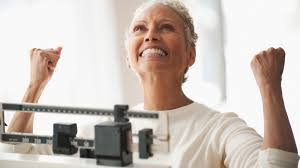
Picture yourself taking those first steps toward your weight loss success story. The path ahead looks bright, and you’ve got this.
Understanding Weight Loss for Women Over 70
Weight loss after 70 brings unique challenges to our bodies. Our research at Mayo Clinic shows that older women need a different approach to weight management. The ideal BMI for women over 65 sits between 31-32, which differs from younger adults.
This fact stems from a 2022 study that points to an “obesity paradox” in seniors.
We notice major changes in body composition as we age past 70. Muscle mass naturally decreases while fat tends to increase, especially around the middle. The Mayo Clinic Diet experts tell us that simple lifestyle changes create the best path to sustainable weight loss.
These changes focus on nutrient-dense foods and regular physical activity rather than strict calorie counting.
The right weight for seniors isn’t about hitting a specific number on the scale. It’s about finding a healthy, sustainable balance that supports daily activities and quality of life. – Mayo Clinic Weight Management Experts
Key Challenges of Weight Loss in Older Women
Weight loss after 70 brings unique hurdles that need smart solutions and careful planning. Our bodies change with age – from slower metabolism to muscle changes – making weight management trickier than in our younger years.
Slower Metabolism
Our bodies change as we age, and our metabolism slows down more than we might expect. Most women in their 70s need about 75% fewer calories than they did in their middle years. This natural drop happens because our bodies burn less energy at rest.
We store more fat and lose muscle mass, which makes weight loss harder.
Physical activity helps speed up a slow metabolism in our senior years. Regular strength training builds lean muscle mass and keeps our metabolic rate higher. We must focus on nutrient-dense foods that give us energy without extra calories.
Smart food choices include lean proteins, whole grains, and plenty of fruits and vegetables. These foods support our health while helping us maintain a normal weight range.
Muscle Loss and Fat Redistribution
We see major changes in body shape as we age past 70. Most women lose up to half their muscle mass between ages 80 to 90 if they skip weight training. This muscle loss leads to a slower metabolic rate and makes weight control harder.
Fat starts moving to new spots too, mainly gathering around the belly while leaving the face, arms, and legs looking thinner.
Staying active helps fight these natural body changes. Regular strength exercises build lean muscle mass and keep our metabolism running well. We need to focus on protein-rich foods and whole grains to support muscle health.
A balanced diet with healthy fats from sources like olive oil and nuts can help manage where body fat settles.
Managing Health Conditions
Managing health conditions plays a vital role in weight loss success for women over 70. Our bodies need special care to handle heart disease, which affects 75% of people in their seventies.
Many of us must balance weight loss goals with diabetes management, high blood pressure, and other chronic illnesses that require daily medication.
A healthy lifestyle starts with understanding your body’s unique needs and limitations.
Physical activity helps us fight obesity, which links to 13 different types of cancer according to CDC data. Our focus stays on safe exercises that work with current health issues.
Regular check-ups with a cardiologist guide our fitness plans while keeping cardiovascular disease risks in check. Smart food choices and proper nutrient intake support both weight loss goals and disease prevention through a balanced approach to healthy living.
Creating a Personalized Nutrition Plan
We’ll help you create an eating plan that matches your needs and goals – from protein-rich foods to fresh fruits and vegetables that boost your health… Ready to learn more about making your perfect meal plan?
Prioritize Protein Intake
Protein plays a huge role in our weight loss journey after 70. Our bodies need more protein as we age to keep our muscles strong and fight fat gain. Most of us should eat 25-30 grams of protein at each meal.
This helps us stay full longer and keeps our metabolism running well. A 150-pound person needs about 55 grams of protein daily, but some might need up to 110 grams based on activity level.
Getting enough protein doesn’t have to be hard. Lean meats, fish, eggs, and dairy products pack lots of protein into our meals. Plant-based options like beans, nuts, and whole grains can boost our protein intake too.
Many of us find success by starting our day with protein-rich foods like Greek yogurt or eggs. This simple change helps control hunger and supports healthy weight loss throughout the day.
Our muscles stay stronger, and our bodies burn more calories even while resting.
Focus on Whole, Plant-Based Foods
We love to fill our plates with colorful whole foods that make us feel great. Fresh fruits, crisp vegetables, crunchy nuts, and tasty seeds form the base of our healthy meals. The Mediterranean diet shows us how to mix these plant-based foods with seafood and low-fat dairy for the best results.
Nature provides us with everything we need to nourish our bodies properly.
Our shopping trips now focus on the outer edges of the grocery store. We pick nutrient-dense foods like leafy greens, sweet potatoes, and berries that pack a punch of vitamins and minerals.
These whole foods help us manage our weight while keeping our blood pressure in check. We’ve found that cutting back on processed items makes room for more fiber-rich options that keep us full longer.
Limit Processed Foods and Added Sugars
Processed foods and added sugars can harm our health goals. Most packaged snacks, frozen meals, and sugary drinks pack lots of empty calories with little nutrition. Our bodies need whole, nutrient-dense foods to work at their best, especially after age 70.
Cutting back on processed items helps us avoid extra sodium, which matters for heart health.
We’ve seen great results by swapping processed foods for fresh options. Fresh fruits make perfect sweet treats without added sugars. Plain yogurt with berries gives us protein and natural sweetness.
Simple switches like these support healthy weight loss while keeping our energy steady throughout the day. Making these small changes has helped many of us drop extra pounds without feeling deprived.
The Role of Physical Activity in Weight Loss
Physical activity stands as a key player in weight loss for women over 70 – with the right moves, we can boost our metabolism and build strength. Regular exercise helps us burn calories and maintain muscle mass, which makes daily tasks easier and keeps us strong.
Benefits of Strength Training
Strength training stands as a game-changer for women over 70. We’ve seen amazing results with our clients who lift weights twice weekly. Regular resistance training helps build lean muscle mass and fights sarcopenia, the natural loss of muscle that comes with aging.
Our research shows that women who do strength exercises boost their metabolic rates by up to 15% and cut their risk of falls by 40%.
Strong muscles create strong bodies, and strong bodies lead to independent lives.
The right strength program makes all the difference in fat loss results. We guide our clients through simple exercises like chair squats, wall pushups, and resistance band moves. These workouts help maintain bone health while burning extra calories throughout the day.
Our clients report better balance, more energy, and easier daily tasks after just eight weeks of consistent training. The key lies in starting slow and building up gradually, focusing on proper form rather than heavy weights.
Low-Impact Cardio Exercises
Low-impact cardio exercises help us stay active without putting stress on our joints. Swimming laps in a pool works our muscles and burns calories while the water supports our body weight.
Walking at a brisk pace for 30 minutes daily meets our physical activity needs and improves heart health.
We can make these exercises fun and social by joining water aerobics classes or walking groups. Simple activities like dancing in our living room, using a stationary bike, or doing chair exercises count as cardio too.
Our goal is 150 minutes of moderate activity each week to maintain good physical health and support weight loss goals.
Flexibility and Balance Training
Moving beyond cardio, we need to focus on flexibility and balance work. Our bodies need proper stretching and stability exercises to stay strong. Yoga stands out as a perfect choice for women over 70.
We’ve seen great results with resistance band exercises too. These moves help our muscles stay loose and limber.
Balance training cuts the risk of falls, which matters a lot as we age. Simple exercises like standing on one foot or heel-to-toe walks make a big difference. Our clients love doing these moves while holding onto a chair for support.
Regular practice builds core strength and improves posture. These exercises boost our daily mobility and make normal tasks easier to do.
Setting Realistic and Achievable Weight Loss Goals
Setting realistic weight loss goals helps us stay on track. Our research shows that losing 6-10 pounds in two weeks marks a great start for most people. We suggest breaking down this goal into smaller targets of 1-2 pounds per week.
This steady pace keeps us from getting discouraged and matches what health experts say is safe for our bodies.
Small wins lead to big results in our weight loss journey. We track our progress through simple methods like weekly weigh-ins or measuring inches lost. Our bodies need time to adjust to new eating habits and exercise routines.
Many of us have found success by focusing on healthy foods and regular physical activity rather than strict dietary restrictions. The LIVE IT phase proves that slow, steady progress creates lasting changes in our health habits.
Tips for Staying Motivated
Staying motivated during weight loss needs a strong support system – from tracking daily steps to joining fitness groups, we’ll show you proven tricks that make the journey fun and rewarding…
Read more to discover our top motivation secrets that keep you going strong!
Tracking Progress
We know tracking progress boosts success in weight loss. Our team has seen amazing results with simple tools like food diaries and weekly weigh-ins. These methods help us spot patterns in eating habits and physical activity levels.
A small notebook or phone app works great to log meals, snacks, and exercise.
Progress tracking goes beyond numbers on a scale. We suggest taking body measurements once a month and photos every few weeks. Many of our clients feel more motivated after seeing their progress in pictures.
Small wins add up, like fitting into old clothes or having more energy for daily tasks. Regular tracking helps us make smart choices about our healthy diet and physical activity goals.
Building a Support System
Tracking your progress leads us to our next vital step. A strong support network makes weight loss easier and more fun. Our friends at the Mayo Clinic show that people lose more weight with others than alone.
Meeting with workout buddies or joining local fitness groups creates lasting bonds and keeps us moving forward.
Our support system needs both online and offline connections. Local walking groups, water aerobics classes, or gym buddies give us real-life cheerleaders. Social media groups and weight loss apps connect us with others who share our goals.
These connections help us stay on track with healthy eating and regular physical activity. Many seniors find extra motivation through group activities that mix exercise with social time.
Debunking Common Weight Loss Myths for Seniors
We’ll bust the most common myths about senior weight loss – from the dangers of crash diets to the truth about rapid weight changes – and help you create a safe, sustainable path to your goals…
read more to learn the facts!
The Truth About Fad Diets
Fad diets promise quick weight loss results through strict rules and food limits. Our years of working with women over 70 show these diets cause more harm than good. Most fad diets lack vital nutrients needed for healthy aging.
The 1,200-calorie balanced meal plan gives better results than crash diets or keto plans.
Many older adults face nutrient deficiencies from following trendy diet plans. These plans often cut out whole food groups like fruits, vegetables, or whole grains. Our bodies need these foods for energy and health.
A balanced eating plan should include lean proteins, healthy fats, and fiber-rich foods. Strict diets can mess with blood sugar levels and cause muscle loss. The Mayo Clinic Diet and Mediterranean Diet offer safer paths to weight loss through proper nutrition.
Why Extreme Calorie Restriction Doesn’t Work
Moving past the myths of fad diets, we need to talk about why cutting calories too much hurts our weight loss goals. Many of us have tried eating very little food to lose weight fast, but this method fails most of the time.
Our bodies see extreme calorie cuts as a threat and slow down our basal metabolic rate to save energy.
We’ve seen this happen with our clients at the clinic. Eating too few calories makes our bodies hold onto fat more stubbornly while breaking down muscle mass for energy. This slower metabolism stays with us even after we stop the strict diet, making it harder to keep weight off in the future.
A better path focuses on nutrient-dense foods and reasonable portion sizes that keep our metabolism running strong. Our bodies need proper fuel to maintain lean muscle mass and burn fat effectively.
Long-Term Strategies for Maintaining a Healthy Weight
Maintaining a healthy weight needs daily habits like eating balanced meals and staying active – read on to learn our proven tips that make this lifestyle change simple and sustainable.
Consistency in Diet and Exercise
Regular habits create lasting results in our weight loss journey. We’ve seen countless women succeed by sticking to simple meal plans and exercise routines. Our bodies respond best to steady, daily actions rather than quick fixes or crash diets.
The Mayo Clinic Healthy Weight Pyramid guides us to eat plenty of fruits and vegetables each day, which helps maintain steady energy levels.
Small, steady steps lead to big changes over time. We make sure to move our bodies daily, even if it’s just a 15-minute walk after dinner. Planning meals ahead keeps us on track with healthy choices.
Fresh produce, lean proteins, and whole grains form the base of our eating plan. These foods give us the nutrients we need while helping control our weight through proper portions and regular mealtimes.
Listening to Your Body’s Needs
Our bodies send us clear signals about hunger, fullness, and energy levels. We must pay close attention to these natural cues during our weight loss journey. Many women over 70 notice changes in appetite and digestion patterns that affect their eating habits.
Physical activity and dietary choices need careful adjustments based on daily energy levels and health conditions.
We’ve learned through years of helping seniors that each person’s nutritional needs vary greatly. Some days call for more rest and lighter meals, while other days allow for more active pursuits.
Proper nutrition becomes vital as our bodies change with age. Our immune system requires specific nutrients to stay strong, and our cardiovascular health depends on smart food choices.
This careful attention to our body’s signals helps create lasting healthy habits that support gradual weight loss. Moving forward, let’s explore how to maintain these positive changes for long-term success.
Conclusion
Weight loss after 70 brings unique rewards and challenges. We know the path to better health starts with small, steady changes in daily habits. Making smart food choices, staying active, and building muscle will create lasting results.
Your success depends on setting clear goals and finding support from friends and family. The right mix of proper nutrition and regular movement can help you reach a healthy weight at any age.