
If you’ve reached menopause and feel like losing weight has become nearly impossible, you’re not imagining it.
Many women notice that the same habits that worked in their 30s and 40s no longer produce the same results. Weight tends to settle around the midsection, energy levels fluctuate, and the scale may refuse to budge despite eating well and exercising regularly.
While menopause changes how your body responds to food and exercise, it doesn’t make weight loss impossible. It simply means your strategy needs to evolve.
In this guide, you’ll learn what actually works for weight loss after menopause—and what common mistakes may be holding you back.
Why Is Weight Loss Harder After Menopause?
Menopause brings several hormonal changes that can influence body composition and metabolism.
As estrogen levels decline, many women experience:
- Increased belly fat
- Loss of muscle mass
- A slower metabolism
- Changes in appetite
- Reduced energy
- Poor sleep
- Increased insulin resistance
These changes make maintaining a healthy weight more challenging, but they don’t prevent you from reaching your goals.
Instead of working against your body, it’s important to adjust your nutrition, exercise, and recovery to meet your body’s new needs.
What Works: Prioritize Strength Training
One of the best things you can do after menopause is lift weights.
As we age, we naturally lose muscle mass. Since muscle burns more calories than fat, losing muscle can reduce the number of calories your body burns at rest.
Strength training helps:
- Preserve lean muscle
- Increase metabolism
- Improve bone density
- Reduce body fat
- Improve balance and mobility
- Increase confidence
Aim for two to four strength-training sessions each week, focusing on compound exercises like squats, rows, presses, and deadlifts.
You don’t need to spend hours in the gym. Even 30 to 45 minutes of resistance training can make a significant difference.
What Doesn’t Work: Hours of Cardio
Many women believe the answer is doing more cardio.
While walking, cycling, and swimming are excellent for heart health, excessive cardio isn’t always the most effective way to lose fat after menopause.
Too much cardio without strength training may contribute to muscle loss, making it even harder to maintain a healthy metabolism.
Instead, combine:
- Strength training
- Daily walking
- Moderate cardio
- Mobility work
This balanced approach supports long-term fat loss while protecting muscle.
What Works: Eat More Protein
Protein becomes even more important after menopause.
It helps maintain muscle, keeps you full longer, and supports recovery after workouts.
Aim to include a source of protein with every meal.
Great options include:
- Chicken
- Turkey
- Fish
- Eggs
- Greek yogurt
- Cottage cheese
- Tofu
- Beans
- Lentils
Most women benefit from consuming at least 25–30 grams of protein per meal.
What Doesn’t Work: Crash Diets
Extreme calorie restriction may lead to quick weight loss, but it often comes at the expense of muscle mass.
Crash diets can also:
- Slow metabolism
- Increase hunger
- Cause fatigue
- Make weight regain more likely
Instead of cutting calories drastically, create a small calorie deficit while focusing on nutrient-dense foods.
Sustainable habits always outperform quick fixes.
Focus on Whole, Nutrient-Dense Foods
Your body needs quality nutrition to support hormone health, muscle maintenance, and energy.
Build most meals around:
- Lean protein
- Vegetables
- Fruit
- Whole grains
- Healthy fats
Rather than eliminating entire food groups, aim for balance.
This approach is easier to maintain long term and provides the nutrients your body needs during menopause.
Sleep Matters More Than You Think
Sleep often becomes more challenging during menopause due to hormonal changes and night sweats.
Unfortunately, poor sleep can increase hunger hormones, reduce energy, and make healthy choices more difficult.
To improve sleep:
- Keep a consistent bedtime.
- Limit caffeine in the afternoon.
- Create a cool, dark sleeping environment.
- Avoid screens before bed.
- Develop a relaxing bedtime routine.
Quality sleep supports both hormone health and weight loss.
Manage Stress to Support Weight Loss
Chronic stress increases cortisol, a hormone linked to increased abdominal fat and cravings for high-calorie foods.
You can’t eliminate stress completely, but you can improve how you manage it.
Try:
- Daily walks
- Deep breathing
- Yoga
- Meditation
- Journaling
- Spending time outdoors
Reducing stress not only supports your mental health but also makes it easier to stick with healthy habits.
Don’t Ignore Daily Movement
Exercise is important, but so is your overall activity level.
Simple habits like:
- Walking after meals
- Taking the stairs
- Gardening
- Housework
- Playing with grandchildren
all contribute to calorie burn throughout the day.
Aim for 7,000 to 10,000 steps daily if your fitness level allows.
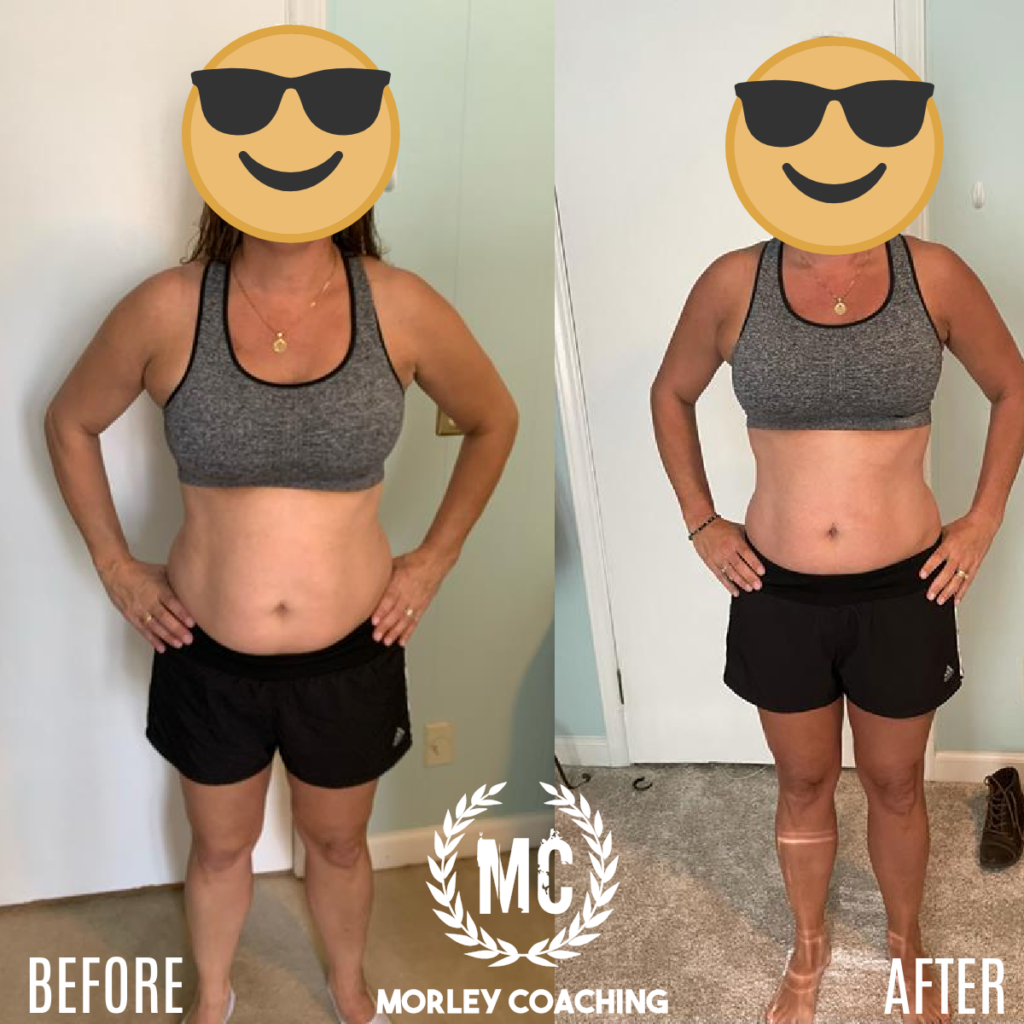
What Doesn’t Work: Chasing the Scale Every Day
Hormonal fluctuations, hydration, sodium intake, and digestion can all affect the number on the scale.
Instead of weighing yourself daily, track other signs of progress, such as:
- Clothes fitting better
- Increased strength
- Better energy
- Improved sleep
- Waist measurements
- Progress photos
These often tell a more complete story than the scale alone.
Consistency Is More Important Than Perfection
One unhealthy meal won’t ruin your progress.
Neither will one missed workout.
The women who successfully lose weight after menopause aren’t perfect—they’re consistent.
Focus on making healthy choices most of the time.
Small habits repeated daily lead to lasting results.
Frequently Asked Questions
Can you lose weight after menopause?
Yes. Although hormonal changes make weight loss more challenging, it’s absolutely possible with the right combination of nutrition, strength training, sleep, and consistency.
What is the best exercise after menopause?
Strength training should be the foundation of your fitness routine. Pair it with walking, mobility exercises, and moderate cardio for the best results.
How much protein should women after menopause eat?
Many experts recommend aiming for 25–30 grams of protein per meal to help preserve muscle mass and support recovery.
Why does belly fat increase after menopause?
Declining estrogen levels can change where your body stores fat, leading to more fat around the abdomen. Lifestyle factors like inactivity, poor sleep, and stress can also contribute.
Final Thoughts
Menopause changes your body, but it doesn’t have to stop you from reaching your weight loss goals.
The key is letting go of outdated advice and focusing on strategies that support your changing hormones and metabolism.
Prioritize strength training, eat enough protein, stay active throughout the day, manage stress, and aim for consistency over perfection.
Remember, healthy weight loss after menopause isn’t about punishing your body—it’s about giving it the support it needs to thrive.
Ready to Lose Weight After Menopause Without Restrictive Diets?
If you’re tired of trying plans that don’t account for hormonal changes, my 1:1 coaching program is designed to help women build sustainable habits that fit their lifestyle. Together, we’ll create a personalized nutrition and fitness plan focused on preserving muscle, boosting confidence, and helping you lose weight in a realistic, healthy way.