
Losing weight isn’t always as simple as eating less and exercising more.
If you’ve ever tried to stick to a calorie deficit, only to feel constantly hungry, you know exactly what I mean.
You start the day motivated.
You eat your planned meals.
You hit your workout.
Then nighttime comes, and suddenly you’re thinking about everything in the kitchen.
That isn’t necessarily a lack of willpower.
Your body has several systems that help regulate hunger, fullness, and energy balance. One of the most important hormones involved is leptin.
Understanding leptin can help explain why hunger sometimes becomes stronger during weight loss.
More importantly, it can help you approach weight loss in a way that supports your body instead of constantly fighting against it.
Let’s take a closer look at leptin and women’s weight loss and what you can actually do to manage hunger.
mattis, pulvinar dapibus leo.
What Is Leptin?
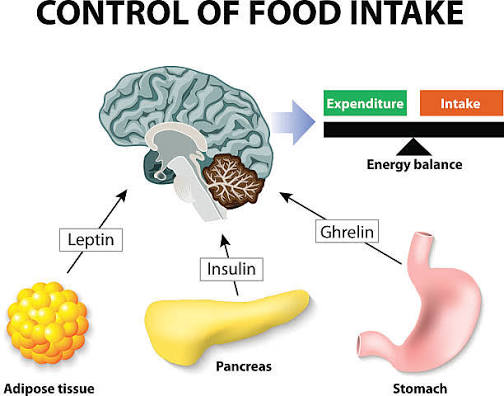
Leptin is a hormone produced primarily by your body’s fat cells.
Its main job is to communicate with the brain about your body’s energy stores.
Think of leptin as one part of your body’s energy-balance communication system.
When your body has adequate energy stored, leptin helps signal that there is enough energy available.
When energy stores decrease, leptin levels can also fall.
That change can influence hunger, appetite, and energy expenditure.
This becomes especially important when you’re trying to lose weight.
As you lose body fat and consume fewer calories, your body may respond by increasing hunger and reducing energy expenditure.
That’s one reason maintaining weight loss can feel harder than simply losing the first few pounds.
How Does Leptin Affect Women’s Weight Loss?
Leptin doesn’t directly make you gain or lose weight.
Instead, it helps regulate processes that influence your overall energy balance.
When leptin signaling is working appropriately, your brain receives information about your body’s energy stores.
However, things can become more complicated when someone has leptin resistance.
With leptin resistance, leptin levels may be high, but the brain doesn’t respond to the hormone as effectively.
This can interfere with normal appetite regulation.
The result can be increased hunger and difficulty feeling satisfied.
That doesn’t mean leptin resistance makes weight loss impossible.
It simply means that appetite regulation is more complicated than counting calories on paper.
What Is Leptin Resistance?
Leptin resistance is often discussed in relation to obesity and metabolic health.
A person can have plenty of leptin circulating in their bloodstream while their brain becomes less responsive to its signals.
Think about it like turning up the volume on your phone because you can’t hear a notification.
Eventually, making the signal louder doesn’t necessarily solve the problem.
Research suggests that excess body fat can be associated with elevated leptin levels and reduced leptin sensitivity.
However, leptin is only one part of a much larger system.
Other hormones, appetite signals, sleep, stress, food intake, activity, and genetics can all influence hunger and body weight.
So you shouldn’t look at leptin as the single explanation for why you’re struggling to lose weight.
Why Hunger Can Increase During Weight Loss
This is something many women experience.
You lose 10 pounds.
Then another 5.
Your clothes fit differently.
You’re making progress.
But suddenly, you’re much hungrier than you were at the beginning.
Why?
Your body doesn’t necessarily view weight loss as a positive thing.
From a biological perspective, losing stored energy can trigger adaptations designed to protect your energy reserves.
Leptin levels can decrease as body fat decreases.
At the same time, other appetite-related changes may occur.
You may notice:
- More frequent hunger
- Stronger cravings
- Less fullness after meals
- Lower energy
- Increased thoughts about food
- Reduced spontaneous movement
- A stronger desire for calorie-dense foods
This is one reason extreme diets often backfire.
The more aggressively you restrict calories, the harder it can become to manage hunger and maintain the diet.
Can You Increase Leptin to Lose Weight?
This is where online weight-loss advice can get confusing.
You may see supplements, foods, or “leptin reset” programs claiming they can dramatically increase leptin and accelerate fat loss.
Be skeptical.
There isn’t a magic food that switches leptin into “fat-burning mode.”
You also don’t need to constantly increase leptin.
In fact, people carrying more body fat often already have higher leptin levels.
The goal is better overall appetite regulation and metabolic health.
Rather than trying to manipulate one hormone, focus on habits that support your body’s entire hunger and energy-regulation system.
How to Support Healthy Leptin Signaling
You can’t completely control your hormones through lifestyle.
However, your daily habits can support metabolic health and make hunger easier to manage.
Here are some of the most useful strategies.
1. Avoid Extreme Calorie Restriction
One of the biggest mistakes women make is eating far too little.
You might think:
“If a small calorie deficit works, a huge deficit will work even faster.”
Unfortunately, that’s not always how your body responds.
Large calorie deficits can increase hunger and make adherence much harder.
Instead, aim for a moderate calorie deficit that allows you to lose weight while still eating enough nutritious food.
Your goal isn’t to see how little you can eat.
Your goal is to find the lowest level of restriction you can comfortably maintain while making progress.
2. Prioritize Protein
Protein is incredibly helpful when you’re trying to lose weight.
It can increase feelings of fullness while helping you maintain muscle during a calorie deficit.
Include a protein source at most meals.
Examples include:
- Chicken
- Turkey
- Eggs
- Greek yogurt
- Cottage cheese
- Fish
- Lean beef
- Tofu
- Tempeh
- Protein-rich legumes
A high-protein breakfast can also make it easier to manage hunger throughout the morning.
Instead of coffee and a muffin, consider eggs with fruit or Greek yogurt with berries and protein-rich toppings.
Small changes can make a big difference.
3. Eat Plenty of Fiber
Fiber helps make meals more filling.
It also supports digestive health and can help you feel satisfied after eating.
Try adding more:
- Vegetables
- Fruits
- Beans
- Lentils
- Whole grains
- Chia seeds
- Flaxseeds
You don’t need to eliminate carbohydrates to lose weight.
Instead, focus on choosing foods that provide plenty of nutrients and keep you satisfied.
4. Strength Train Regularly
If your goal is to lose fat while maintaining a strong, toned body, resistance training should be part of your plan.
Strength training helps preserve muscle while you’re losing weight.
It can also help you build or maintain lean mass.
You don’t need to spend two hours in the gym.
Three efficient strength workouts each week can be incredibly effective.
For busy women, consistency matters far more than having a complicated workout routine.
5. Get Enough Sleep
Don’t underestimate sleep.
When you’re exhausted, hunger and appetite can become much harder to manage.
Poor sleep can affect several hormones involved in appetite regulation, including leptin and ghrelin.
It can also affect your food choices.
Think about what happens after a terrible night’s sleep.
You might crave quick energy.
Suddenly, the cookies in the pantry look much more appealing.
That’s not because you’re weak.
Your tired brain and body are looking for energy.
Aim for a consistent sleep schedule whenever possible.
Of course, if you’re a mom with young kids, I know this isn’t always completely within your control.
Do the best you can.
6. Manage Chronic Stress
Stress doesn’t automatically prevent weight loss.
However, chronic stress can make healthy habits much harder to maintain.
When you’re stressed, you may:
- Sleep poorly
- Eat more emotionally
- Skip workouts
- Crave highly palatable foods
- Have less energy
- Struggle with consistency
You don’t need to eliminate stress from your life.
That’s impossible.
Instead, find simple ways to manage it.
Try walking outside, journaling, breathing exercises, stretching, spending time with friends, or simply taking 10 quiet minutes for yourself.
7. Don’t Forget Daily Movement
You don’t need to rely entirely on workouts.
Your daily movement matters too.
Walking, taking the stairs, doing household chores, playing with your kids, and moving throughout the day can all contribute to your overall energy expenditure.
This is especially important for busy women.
You don’t need another hour at the gym.
Sometimes you simply need to move more throughout your existing day.
Leptin and Menopause: Why Hunger May Feel Different
Women going through perimenopause and menopause may notice changes in appetite, body composition, and weight distribution.
Hormonal changes during this stage can affect sleep, muscle mass, appetite, and where the body tends to store fat.
That doesn’t mean menopause makes weight loss impossible.
It means your strategy may need to change.
Instead of relying on aggressive dieting, focus on:
Protein + strength training + walking + nutritious foods + sleep + stress management + consistency.
These habits become even more important as you get older.
You don’t need to punish your body into losing weight.
You need a strategy that works with your lifestyle and changing needs.
What About Leptin Supplements?
You may come across products marketed as “leptin supplements.”
Be careful with these claims.
Leptin is a hormone, and taking random supplements isn’t the same as improving the body’s natural appetite-regulation system.
There is no magic supplement that can replace a sustainable nutrition and exercise plan.
If you’re concerned about your appetite, metabolic health, or unexplained changes in your weight, talk with your healthcare provider.
They can help determine whether an underlying medical issue, medication, or other factor may be contributing.
Leptin Isn’t the Only Hunger Hormone
It’s important not to become obsessed with one hormone.
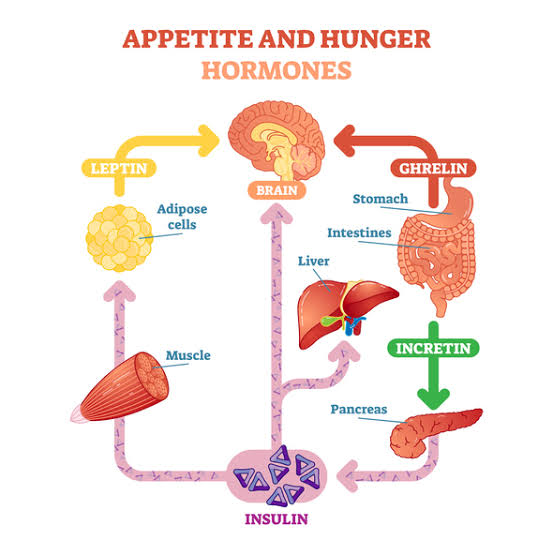
Leptin is only one piece of the puzzle.
Ghrelin, for example, is another hormone involved in hunger regulation.
Other hormones and signals also influence digestion, fullness, blood sugar, and food intake.
Your appetite isn’t controlled by one switch.
It’s a complex system.
That’s why a sustainable weight-loss approach should address your whole lifestyle, rather than trying to manipulate one hormone.
The Biggest Mistake Women Make With Hunger
One of the biggest mistakes I see is assuming that hunger means they’re doing something wrong.
They start dieting.
They’re hungry.
They think:
“I just need more discipline.”
So they eat less.
Then they’re even hungrier.
Eventually, they overeat.
Then they feel guilty.
The next day, they restrict again.
And the cycle continues.
Instead, learn to manage hunger before it becomes overwhelming.
Build balanced meals.
Eat enough protein.
Include fiber.
Drink enough fluids.
Sleep when possible.
Strength train.
Move your body.
And most importantly, choose a calorie deficit you can actually maintain.
You shouldn’t have to be miserable to lose weight.
A Simple Day of Eating for Better Hunger Control
You don’t need a complicated meal plan.
Here’s an example of what a balanced day could look like:
Breakfast:
Eggs, whole-grain toast, avocado, and berries.
Lunch:
Chicken bowl with rice, vegetables, beans, and salsa.
Snack:
Greek yogurt with berries and chia seeds.
Dinner:
Salmon, roasted potatoes, and a large serving of vegetables.
Dessert:
A small serving of chocolate or another food you enjoy.
Notice what’s missing?
There are no forbidden foods.
There is no juice cleanse.
There is no starvation.
There is no requirement to eat perfectly.
The goal is creating meals that keep you satisfied while supporting your calorie and protein needs.
Frequently Asked Questions About Leptin and Weight Loss
Does leptin make you lose weight?
Leptin plays an important role in regulating energy balance and appetite. However, leptin itself isn’t a weight-loss solution.
How can women improve leptin sensitivity?
Supporting overall metabolic health through a nutritious diet, regular exercise, adequate sleep, and sustainable weight management may help support healthy leptin signaling.
Does fasting increase leptin?
Fasting and calorie restriction can affect leptin levels. However, deliberately manipulating leptin isn’t necessary for successful weight loss.
Why am I always hungry when dieting?
Hunger can increase during calorie restriction because your body responds to reduced energy intake. An overly aggressive calorie deficit can make this worse.
Does protein help control hunger?
Yes. Protein tends to be highly satiating and can help you feel fuller between meals. It can also help preserve muscle during weight loss.
Can menopause affect hunger and weight loss?
Menopause can bring hormonal and lifestyle changes that affect appetite, sleep, body composition, and weight management. A sustainable approach becomes especially important during this stage.
Final Thoughts: You Don’t Need to Fight Your Hunger
Understanding leptin and women’s weight loss can help you realize something important.
Your body isn’t working against you.
Your hunger isn’t a character flaw.
Your cravings aren’t proof that you have no discipline.
Your body has powerful systems designed to protect your energy stores.
That’s why extreme diets can feel so difficult to maintain.
Instead of constantly fighting your hunger, build a weight-loss strategy that makes hunger manageable.
Eat enough protein.
Choose high-fiber foods.
Lift weights.
Walk more.
Sleep when you can.
Manage stress.
And create a calorie deficit that fits your actual life.
Because the best weight-loss plan isn’t the one that works perfectly for two weeks.
It’s the one you can continue for months and years.
Ready to Lose Weight Without Constantly Fighting Hunger?
If you’re a busy woman who wants to lose weight without restrictive diets, endless cardio, or spending hours in the gym, my 1:1 coaching program can help.
You’ll get personalized guidance for your nutrition, workouts, accountability, and sustainable habits.