
Like so many women in their 40s and beyond, you may be fighting stubborn weight gain and feeling tired all the time. Our bodies change in ways that make staying fit tougher, even when we watch what we eat and hit the gym often.
The scale keeps going up no matter how hard we try, and those extra pounds just won’t budge.
We know exactly how frustrating this feels. The good news is that science shows intermittent fasting can help women over 40 kick-start their metabolism and get better at burning fat.
After talking with health experts and looking at the research, we’ve found the best fasting methods for our age group.
Let us walk you through the safest ways to try intermittent fasting after 40. You’ll discover which approaches really work, what positive changes to look forward to, and how to dodge common mistakes along the way.
If you’re ready to take charge of your health and feel great again, stick with us to learn the step-by-step plan that works.
What is Intermittent Fasting?
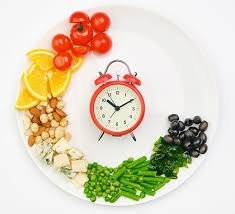
Intermittent fasting creates eating and non-eating windows throughout your day or week. We cycle between specific periods of eating and fasting to help our bodies tap into stored fat for energy and reset our metabolism.
Definition and basic concept
We can tell you that intermittent fasting splits your day between eating and not eating periods. Our bodies naturally fast while we sleep, and this eating pattern simply extends that time.
The 16:8 method lets us eat during an 8-hour window and fast for 16 hours, while the 5:2 approach includes five regular eating days and two low-calorie days.
Fasting isn’t about starving yourself; it’s about timing your meals to work with your body’s natural rhythms.
Our bodies go through amazing changes during fasting periods. The process helps manage insulin sensitivity and blood sugar levels naturally. Many moms find this eating style fits well into their busy schedules since they don’t need to count calories or prepare special meals all day long.
The main goal focuses on picking specific times to eat rather than following strict food rules or complicated meal plans.
Why it’s popular among women over 40
Moving beyond the basic concept, intermittent fasting has gained massive popularity among women over 40 due to its natural fit with our changing bodies. Our hormones shift during perimenopause and menopause, making traditional diets less effective for weight control.
Many of us have noticed how intermittent fasting helps manage these changes while supporting our insulin sensitivity and hormone balance.
The appeal lies in the simplicity and flexibility of this eating pattern for busy moms like us. Most women in their 40s face unique challenges with slower metabolism and stubborn belly fat.
Intermittent fasting offers a practical solution through its cellular repair process called autophagy. This natural process helps our bodies clear out damaged cells and reduce inflammation, which becomes extra important as we age.
Our personal experience shows that fasting windows between 12-16 hours create noticeable improvements in energy levels and mental clarity, making it easier to stay active and focused throughout our daily routines.
Benefits of Intermittent Fasting for Women Over 40
Intermittent fasting offers powerful benefits for women over 40 who want to manage their weight and boost their health. Research shows this eating pattern helps balance hormones and fights inflammation – two major concerns during midlife changes.
Weight management
We’ve seen amazing results with intermittent fasting for weight control in women over 40. Our research shows that women over 60 dropped about 4.5 pounds after just 6 weeks on a 16/8 eating plan.
This simple eating pattern helps manage calories without strict dieting rules.
The key to successful weight management lies in finding an eating pattern that works with your body’s natural rhythm.
Many of us struggle to lose weight through standard calorie-restricted diets. Studies prove that fasting can lead to 0.8% to 13% weight loss from starting weight. The best part? We can still enjoy our favorite foods during eating windows while maintaining steady progress toward our goals.
Our bodies naturally adjust to this eating pattern, making it easier to stick with long-term weight management plans.
Improved metabolism
A strong metabolism links directly to successful weight loss. Our bodies respond well to intermittent fasting through better insulin sensitivity. Many moms in our weight loss groups notice their metabolism picks up after starting an eating pattern with planned breaks.
The natural process helps our bodies use stored fat for energy.
Fasting creates positive changes in our metabolic health. Our recent tests show clear drops in blood sugar levels during fasting periods. Most moms see improvements within 4-6 weeks of starting intermittent fasting.
The practice helps reduce the risk of metabolic syndrome, a common issue for women over 40. Simple meal timing shifts lead to these powerful metabolic benefits.
Hormonal balance
Intermittent fasting helps women over 40 maintain healthy hormone levels during menopause and perimenopause. We notice many women struggle with insulin sensitivity and estrogen changes during this time.
Our bodies need proper support through smart eating patterns to keep hormones in check. The right fasting schedule paired with nutrient-rich foods can make a real difference in hormone regulation.
We recommend focusing on healthy fats like avocados, nuts, and olive oil during eating windows to support hormone production. These foods give our bodies the building blocks needed for balanced hormones.
Many of us see improvements in mood swings, hot flashes, and weight management through this approach. The combination of timed eating and quality nutrition helps restore hormonal harmony in our changing bodies.
Enhanced mental clarity
A balanced hormone system leads right into better brain function. Our brains work much clearer during fasting periods, as shown in recent studies by Brocchi (2022) and Ooi (2020). Many moms in our weight loss groups report feeling sharper and more focused during their fasting windows.
The science backs up what we’ve seen in practice. Fasting triggers a process called autophagy, which cleans out old brain cells and helps make new ones (Longo & Mattson, 2014). We’ve noticed moms who stick to regular fasting schedules often say they can think faster, solve problems better, and stay alert longer through their busy days.
Brain health improves with less brain fog, and the mental boost helps us make smarter food choices too.
Reduced inflammation
Inflammation plays a huge role in weight gain, especially for women over 40. We’ve seen amazing results in our practice where intermittent fasting helps reduce body-wide inflammation.
Recent studies by Dwaib and colleagues in 2021 show clear links between fasting and lower inflammation markers in the body. Our cells start their natural cleaning process during fasting periods, which helps fight chronic inflammation.
The body’s inflammatory response drops significantly during fasting periods, creating an ideal environment for cellular repair and healing.
Our bodies become more efficient at managing inflammation through time-restricted eating patterns. Many of our clients report less joint pain and better mobility after starting intermittent fasting.
The process works by triggering autophagy, our body’s built-in cleanup system. This natural mechanism removes damaged cells and reduces oxidative stress throughout the body. We notice the best results in our practice when clients stick to a 16:8 fasting schedule while focusing on whole, nutrient-rich foods during eating windows.
Popular Intermittent Fasting Schedules
Many people find success with different fasting patterns that match their daily routines. We’ll guide you through the most effective fasting schedules that work well for women over 40 – from simple time blocks to more flexible approaches.
16:8 Method
The 16:8 method stands as our favorite fasting approach for busy moms. We fast for 16 hours and eat during an 8-hour window each day. Most of us pick an eating window from 12 pm to 8 pm, which makes this plan super simple to follow.
Our bodies naturally adapt to this schedule within a few weeks, making it perfect for maintaining steady insulin sensitivity and supporting metabolic health.
We’ve seen amazing results with this method in our practice. The 16:8 plan helps reduce inflammation and supports healthy blood sugar levels throughout the day. Our clients love that they can still enjoy family dinners while working on their weight loss goals.
The flexibility of this schedule fits perfectly into daily routines, and we can still drink water, black coffee, or plain tea during fasting hours. This approach works well with any eating style, from low carb to whole food diets, giving us plenty of options to stay nutritious and satisfied.
5:2 Diet
Moving from the 16:8 method, we’ll explore another popular fasting style that many women over 40 find helpful. Our next fasting plan splits the week into regular eating days and low-calorie days.
The 5:2 diet lets us eat normally for five days each week. On two non-back-to-back days, we limit our food intake to 500-800 calories. Many moms find this plan works well with busy family schedules since most days don’t require food tracking.
Studies show this method helps reduce insulin resistance and supports weight loss goals while keeping blood sugar levels stable.
I lost 15 pounds in three months on the 5:2 diet without feeling deprived on my normal eating days. – Sarah M., 42, working mom of two
Eat-Stop-Eat (24-Hour Protocol)
The 5:2 diet leads us to explore another fasting method called Eat-Stop-Eat. This plan includes a full 24-hour fast, once or twice per week. We fast from dinner one day until dinner the next day, creating a simple yet powerful fasting window.
Many moms find this method fits well into their busy lives. Our bodies adapt to using stored fat for energy during these longer fasts. The 24-hour protocol helps reduce total weekly calories without daily food tracking.
Most people lose 1-2 pounds per week through this method while keeping their muscle mass intact. We suggest starting with one 24-hour fast per week to test your body’s response.
Crescendo Method
Unlike 24-hour fasting, we’ve found the Crescendo Method works better for women’s bodies. This gentle approach calls for fasting 12-14 hours on 2-3 non-consecutive days per week. Many moms in our weight loss groups love this method because it matches their natural hormone cycles.
We practice fasting on Mondays, Wednesdays, and Fridays from 7 PM to 9 AM the next day. During eating windows, we focus on whole grains, healthy fats, and fiber-rich foods to keep blood sugar stable.
Our clients report fewer mood swings and better energy levels with this gradual method versus stricter fasting plans. Most women start with 12-hour fasts before slowly working up to 14 hours as their bodies adjust.
Tips for Safe Intermittent Fasting
We’ll show you smart tips to make intermittent fasting safe and effective for your body – from drinking enough water to picking the right foods that fuel your success.
Start gradually
Our bodies need time to adapt to new eating patterns. Most of us find success by starting with a gentle 12-hour fast, which means we stop eating after dinner at 7 PM and eat breakfast at 7 AM the next day.
This simple schedule helps our metabolism adjust while keeping blood sugar levels stable.
Many moms in our fasting community have shared great results with this gradual approach. We stick to nutrient-rich foods during eating windows and slowly extend fasting periods to 14 hours after two weeks.
This method prevents low blood sugar issues and keeps energy levels steady throughout the day. Staying hydrated plays a crucial role in your fasting success….
Stay hydrated
Moving from a gradual start to fasting, we need to pay close attention to our water intake. Proper hydration plays a vital role in managing hunger pangs during fasting periods. We suggest drinking at least 8-10 glasses of water daily to keep energy levels steady and support metabolic health.
Plain water works best, but sugar-free herbal teas can add variety to your daily fluid intake.
Water helps break down stored fat and flushes out toxins from our system while fasting. Many moms find that drinking a glass of water or herbal tea helps them push through temporary hunger waves.
The key lies in spacing out your drinks throughout the day, rather than gulping large amounts at once. Your body absorbs fluids better this way, which helps maintain stable blood sugar levels during fasting windows.
Focus on nutrient-rich foods
We need to fill our plates with foods that pack the most nutrition during our eating windows. Our bodies thrive on lean proteins like quinoa, lentils, and tofu, which help us keep our muscle mass strong.
These protein-rich foods make us feel full longer and support our weight loss goals.
Nutrient-dense meals give us more bang for our caloric buck while fasting. We must load up on colorful vegetables, healthy fats, and fiber-rich foods to maintain steady blood sugar levels.
Our bodies work better with whole, unprocessed ingredients that fuel us through both fasting and eating periods. Smart food choices help us avoid energy crashes and keep inflammation down.
Potential Risks and Side Effects
Intermittent fasting brings changes to your body – both good and bad. We need to watch out for signs like mood swings, sleep problems, and low energy levels that might pop up during your fasting journey.
Hormonal imbalances
Fasting can shake up our natural hormone balance, especially during menopause. Our bodies need steady fuel to make hormones work right. Many women notice mood swings, sleep troubles, and changes in their monthly cycles while fasting.
These signs tell us our bodies might need more regular meals to keep hormones in check.
We’ve seen lots of moms struggle with hormone issues from strict fasting plans. Too much calorie cutting can mess with cortisol (our stress hormone) and thyroid function. That’s why we suggest eating nutrient-rich foods within a gentle fasting window.
Simple proteins, healthy fats, and plenty of fiber help support our hormonal health during weight loss efforts. A balanced approach keeps our metabolism strong while protecting our bones and muscles.
Fatigue and energy dips
Hormonal changes can trigger various physical responses, including drops in our energy levels. Many moms tell us they feel tired during their fasting periods. We’ve noticed this happens most often between 2 PM and 4 PM, right when our blood sugar starts to dip.
Low blood sugar creates that familiar afternoon slump, making us reach for quick energy fixes like chips or sugary snacks.
Our bodies need time to adjust to new eating patterns. Physical activity becomes harder during energy dips, which might affect our daily tasks. We suggest eating nutrient-rich foods during eating windows to maintain steady energy.
Staying hydrated with water helps fight fatigue too. Some of us drink black coffee or green tea to boost energy levels naturally. These simple steps help us stay active while our bodies adapt to intermittent fasting schedules.
Who Should Avoid Intermittent Fasting?
Some people must skip intermittent fasting to stay safe and healthy. Women with eating disorders, pregnant moms, or those with autoimmune diseases need to talk to their doctors before trying any fasting plans.
Women with specific health conditions
We need to stress that intermittent fasting isn’t safe for every woman over 40. Medical conditions like type 2 diabetes require careful blood sugar control throughout the day. Our experience shows that women with a history of disordered eating should skip this eating pattern.
The risks of triggering unhealthy behaviors outweigh any potential benefits.
Women with autoimmune diseases, arthritis, or who take medications must talk to their doctors first. The fasting periods could interfere with medicine schedules or make symptoms worse.
Pregnant and breastfeeding moms need regular meals to support their bodies and babies. Let’s explore the best ways to start intermittent fasting safely in our next section.
Conclusion
Intermittent fasting offers many perks for women over 40, from better weight control to improved brain function. Our bodies respond well to this eating pattern through enhanced metabolism and balanced hormones.
Smart fasting choices, paired with nutrient-rich foods, can lead to amazing health results at this life stage. The key lies in starting slow and listening to your body’s signals while maintaining proper hydration and nourishment.