
You know the feeling – you’re doing everything right with diet and exercise, but those stubborn pounds won’t come off. Many women share this same frustrating battle. We see moms pushing hard at the gym and carefully watching what they eat, yet nothing changes on the scale.
The real culprit might be insulin resistance, a common issue that makes losing weight extra challenging for women.
Think of all the women who face this same struggle each day. Studies reveal that up to 70% of overweight women deal with some level of insulin resistance. When your body fights against insulin, it tends to store more fat and trigger those nagging food cravings.
But take heart – there are proven ways to turn this around.
Let us walk you through the basics of insulin resistance in clear, simple terms. You’ll discover how to improve your body’s response to insulin through smart food picks and workout methods that really work.
We share easy tips that fit into busy mom schedules, plus stories from real women who’ve won their battle with insulin resistance. Are you ready to make your weight loss path smoother?
What is Insulin Resistance?
Your body needs insulin to turn food into energy. We see insulin resistance happen when cells stop listening to insulin’s signals – making it harder to process sugar and store fat in the right places.
Definition of insulin resistance
We need to understand insulin resistance as a simple problem with our body’s response to insulin. Our cells stop listening to insulin’s signals, which makes it harder for sugar to move from our blood into our cells.
Think of insulin as a key that unlocks our cells to let sugar in. With insulin resistance, this key doesn’t work well anymore.
Our bodies make more insulin to fix this problem, but it creates a cycle that leads to high blood sugar levels. Many moms deal with this issue, which affects about 32% of women in the United States.
The good news? We can spot the signs early and take action to help our cells respond better to insulin again.
Insulin resistance is like having a broken key to your cell’s front door – sugar can’t get in, so it builds up in your bloodstream.
How insulin resistance affects the body
Our bodies need insulin to turn food into energy. This vital hormone helps cells absorb glucose from our bloodstream, much like a key opening a door. Yet one in three U.S. adults faces a problem where cells stop responding to insulin properly.
The glucose can’t enter cells easily anymore, which forces our pancreas to make extra insulin. This creates a cycle that leads to high blood sugar levels and makes our bodies store more fat, especially around the belly area.
Many moms struggle with insulin resistance without knowing it. The extra glucose floating in our blood causes inflammation and throws off our metabolism. Our cells starve for energy even though there’s plenty of glucose available.
This explains why losing weight becomes harder, as our bodies hold onto fat stores more stubbornly. The condition also raises risks for serious health issues like Type 2 diabetes, heart disease, and fatty liver disease.
Physical activity and smart food choices can help restore our cells’ natural response to insulin.
The Link Between Insulin Resistance and Weight Loss in Women
Women with insulin resistance face unique challenges in their weight loss journey – their bodies store more fat and burn fewer calories during exercise. Our hormones play a direct role in this process, making fat cells more stubborn and resistant to normal weight loss methods.
How insulin resistance impacts metabolism
Insulin resistance changes how our bodies process food into energy. Our cells start to ignore insulin’s signals, which makes it harder to burn calories and store glucose properly. This leads to a slower metabolism and more fat storage, especially around our belly area.
We’ve seen this impact firsthand in our weight loss clinic, where moms struggle with stubborn weight despite eating less.
The body becomes its own worst enemy in processing energy
Our research shows clear proof of this metabolic slowdown. A study of 17 obese women revealed that losing 12% of body weight improved insulin sensitivity by 60%. This means our metabolism works better once we start losing weight through proper diet and exercise.
The good news is that small changes in our daily habits can create big improvements in our body’s ability to use insulin correctly.
Challenges insulin resistance creates for weight loss
We face tough hurdles with weight loss due to insulin resistance. Our bodies store more fat than usual, making it harder to shed pounds even with diet changes. Many moms struggle to lose weight through standard methods because their cells don’t respond well to insulin signals.
This resistance leads to higher blood glucose levels and increased fat storage, especially around our belly area.
Our metabolic rate slows down with insulin resistance, burning fewer calories throughout the day. The condition makes us feel hungrier more often and creates strong cravings for sugary foods.
Studies show women with PCOS or postmenopausal changes have extra difficulty losing weight due to these metabolic changes. Regular exercise alone might not fix the problem, as research indicates limited metabolic improvements without proper dietary adjustments.
Role of hormones in weight regulation
Hormones play a huge role in our bodies’ weight control system. Our fat cells talk to our brains through special messengers like leptin and ghrelin. These tiny chemical signals tell us if we need to eat more or less food.
Many moms deal with changes in these hormones after having babies, which can make losing weight harder than before pregnancy.
Insulin stands out as a key player in this hormone dance. It helps move sugar from our blood into our cells for energy. PCOS affects many women and makes insulin work less well in the body.
This leads to more fat storage, especially around the belly area. Our bodies need balanced hormone levels to burn fat properly. Postmenopausal changes can throw off this balance too, making weight loss tougher for older moms.
Regular physical activity helps fix these hormone issues and makes insulin work better in our bodies.
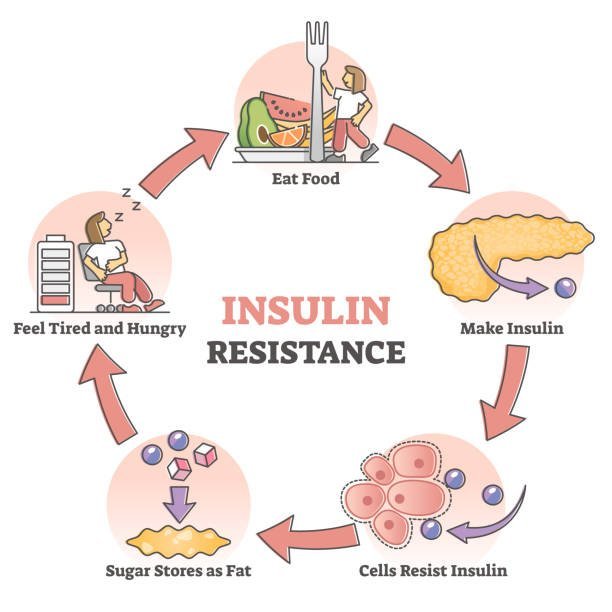
Symptoms and Causes of Insulin Resistance
We often miss the early warning signs of insulin resistance – dark patches on our skin, constant hunger, and stubborn belly fat tell us something’s wrong. Our genes play a role in insulin resistance, but our daily habits like poor sleep, stress, and processed foods make the problem worse.
Common symptoms of insulin resistance
Moms need to spot insulin resistance signs early to make weight loss easier. Our bodies show clear signals that tell us something isn’t right with our blood sugar control.
- Dark patches on skin, especially around the neck and armpits (acanthosis nigricans), signal insulin problems in many women
- Constant tiredness hits even after a full night’s sleep, making it hard to stay active through the day
- Sudden weight gain shows up, mainly around the belly area, despite normal eating habits
- Strong sugar cravings pop up throughout the day, particularly after meals
- Frequent bathroom trips happen more often than usual
- Blurry vision occurs randomly during daily activities
- Extreme thirst persists no matter how much water you drink
- Irregular periods or missed cycles become more common
- Skin tags appear in various body areas
- Mood swings strike more often than normal
- Difficulty focusing on simple tasks becomes a daily struggle
- Numbness or tingling in hands and feet occurs regularly
- Slow-healing cuts or bruises take longer to get better
- Increased hunger strikes shortly after eating meals
- High blood pressure readings show up during doctor visits
The list above reflects direct symptoms many moms face with insulin resistance. Each sign points to potential blood sugar control issues that need attention from a healthcare provider.
Key causes: lifestyle factors, genetics, and hormonal changes
Now that we’ve covered the common signs of insulin resistance, let’s explore what causes this condition. Understanding these root causes helps us create better plans for managing our health and weight loss goals.
- Excess body fat leads to decreased insulin sensitivity, making it harder for our cells to use glucose. Our stored fat, especially around the belly, creates chemicals that block insulin from working right.
- Poor eating habits play a huge role in developing insulin resistance. Too many processed foods and sugary drinks spike our blood glucose levels repeatedly throughout the day.
- Lack of regular physical activity reduces our muscles’ ability to use insulin properly. Moving less means our bodies need less glucose for energy, which can lead to insulin resistance over time.
- Family history affects our chances of developing insulin resistance. Some of us inherit genes that make us more likely to store fat or process insulin differently.
- Medical conditions like PCOS create hormonal imbalances that interfere with insulin function. These conditions often run in families and need special attention during weight loss.
- Pregnancy changes can trigger temporary insulin resistance. Many moms notice weight gain becomes easier during and after pregnancy due to these hormonal shifts.
- Stress raises cortisol levels in our bodies, which can block insulin from working correctly. Daily life stress from juggling work and family adds up quickly.
- Sleep problems mess with our insulin levels. Getting less than 7 hours of sleep makes our bodies less sensitive to insulin the next day.
- Age-related changes slow down our metabolism. Our bodies naturally become less sensitive to insulin as we get older.
- Certain medications might increase insulin resistance as a side effect. Birth control pills and some blood pressure medicines can affect how our bodies handle glucose.
Diagnosing Insulin Resistance
Blood tests help doctors spot insulin resistance through specific markers in your system. Your doctor might check your fasting glucose levels, A1C, and other blood work to figure out if you need treatment.
Common tests for diagnosing insulin resistance
Testing for insulin resistance helps us spot early warning signs of diabetes and other health issues. Medical experts use several key tests to check how well our bodies handle sugar and process insulin.
- Fasting Plasma Glucose Test: We need to skip food for 8 hours before this simple blood test. A reading above 100 mg/dL signals possible insulin resistance.
- A1C Test: This test shows our average blood sugar levels over three months. A result between 5.7% and 6.4% points to insulin resistance.
- Oral Glucose Tolerance Test: We drink a sugary solution, then get our blood checked after two hours. Numbers over 140 mg/dL suggest insulin problems.
- Fasting Insulin Test: Our insulin levels get measured after fasting. High numbers mean our bodies might not use insulin well.
- HOMA-IR Test: This test uses math to figure out how our insulin works. Scores above 2.5 show insulin resistance.
- Lipid Panel: Our cholesterol levels often rise with insulin resistance. This test checks different types of fats in our blood.
- Waist Measurement: A waist size over 35 inches for us moms often links to insulin troubles.
- Body Mass Index Check: Our doctors calculate this number using height and weight. A BMI over 25 raises red flags.
- Blood Pressure Reading: High readings often go hand in hand with insulin resistance.
- Physical Exam Signs: Dark patches on our neck or armpits can signal insulin issues.
Indicators of insulin resistance in test results
After running these important tests, we need to understand what the results mean. Our doctors look at specific numbers in blood work to spot insulin resistance. A fasting plasma glucose (FPG) level above 100 mg/dL signals a warning sign.
The A1C test gives us a clear picture of blood sugar control over three months, with readings above 5.7% pointing to possible insulin resistance.
Blood tests tell us the truth about our body’s relationship with insulin.
The lipid panel results also play a key role in showing insulin resistance. High triglycerides over 150 mg/dL paired with low HDL cholesterol under 50 mg/dL for women raise red flags.
Blood glucose levels that stay elevated two hours after eating, especially above 140 mg/dL, strongly suggest our cells aren’t using insulin properly. These numbers help us create the right plan to improve our health through diet and exercise changes.

How Insulin Resistance Impacts Women’s Weight Loss Specifically
Insulin resistance makes your body store fat in unwanted places – like your belly and hips. Your body fights against weight loss because it can’t use insulin well, which leads to stronger food cravings and less energy throughout the day.
Fat storage and energy imbalance
Our bodies store extra fat cells differently with insulin resistance. Most of us notice stubborn fat around our belly, hips, and thighs that won’t budge despite diet changes. The fat cells resist normal signals to release stored energy, making weight loss much harder for women.
This creates a frustrating cycle where our bodies hold onto fat even during calorie restriction.
We see this energy imbalance play out in real ways through our daily activities. Our muscles can’t use blood sugar properly for energy, so they feel tired faster during workouts. The unused glucose gets stored as fat instead of fueling our movement.
Many moms tell us they feel exhausted by simple tasks like climbing stairs or playing with their kids. The good news lies in understanding how specific foods affect our blood glucose levels.
Let’s explore the increased hunger and cravings that come with this condition….
Increased hunger and cravings
Fat storage leads right into one of the most frustrating parts of insulin resistance: constant hunger and cravings. We notice many moms struggle with intense food cravings throughout the day, especially for sugary and high-carb foods.
This happens because insulin resistance disrupts normal blood glucose levels, creating a cycle of sugar spikes and crashes. The crashes trigger strong hunger signals, making us reach for quick energy fixes like cookies or chips.
Many women tell us they feel hungry just an hour after eating a full meal. Their bodies have trouble reading proper fullness signals due to insulin resistance. The good news? Making smart food choices can help break this cycle.
Picking foods with a low glycemic index helps keep blood sugar steady and reduces those annoying cravings that pop up between meals. Simple switches like choosing whole grains instead of white bread make a real difference in managing hunger levels.
Effects on physical activity and energy levels
Those intense food cravings often lead to a vicious cycle of low energy throughout our day. We notice many moms struggle with constant tiredness, making exercise feel like climbing Mount Everest.
Physical activity becomes extra challenging because insulin resistance messes with our body’s energy systems.
Our muscles need proper insulin function to use sugar for energy during workouts. The fatigue from insulin resistance creates real barriers to staying active. Many of us find ourselves too tired for daily tasks, let alone hitting the gym.
This tiredness hits hardest in the afternoon, right when we need energy to keep up with our kids or squeeze in a workout. Low physical activity then makes insulin resistance worse, creating a tough pattern to break.
Strategies to Reverse Insulin Resistance for Effective Weight Loss
We’ll show you proven methods to fight insulin resistance through smart food choices, regular exercise, and lifestyle changes that make weight loss easier – read on to learn the exact steps you need to take.
Importance of lifestyle changes
Lifestyle changes stand as the most powerful tool to reverse insulin resistance and support weight loss. Our bodies respond best to small, steady changes that add up to big results over time.
Making a 5-10% reduction in body weight through smart food choices and regular movement can boost insulin sensitivity. These changes don’t need to feel overwhelming or extreme.
Simple daily habits create lasting results for managing insulin resistance. Moms can start with basic steps like taking short walks after meals, drinking more water, or swapping processed snacks for whole foods.
Physical activity helps muscles use glucose better, while nutritious meals keep blood sugar levels stable. The key lies in picking changes that fit into a busy mom schedule and stick with them long enough to see progress.
A balanced approach focusing on both food and movement leads to better glycemic control and natural fat loss.
Role of physical activity in improving insulin sensitivity
Physical activity plays a vital role in helping our bodies use insulin better. We need at least 30 minutes of moderate exercise most days to see real changes in our insulin sensitivity.
Our muscles become more efficient at using glucose during and after exercise, which helps lower blood sugar levels naturally.
Moving our bodies through both aerobic and resistance training creates the best results for insulin control. Regular workouts make our cells more responsive to insulin, so they can take in glucose more easily.
This means less insulin is needed to do the same job, making weight loss easier for us moms. The combo of cardio and strength moves helps burn fat while building lean muscle mass, which boosts our metabolic rate throughout the day.
Dietary adjustments to manage blood sugar levels
Regular exercise works great with smart food choices to control blood sugar. We need to focus on foods that won’t spike our insulin levels too quickly.
Our bodies respond best to low-glycemic foods like beans, legumes, and non-starchy veggies. These foods release sugar into our blood slowly, which helps keep insulin levels steady.
Lean proteins and whole grains make perfect meal choices for moms with insulin resistance. We should skip white bread, potatoes, and watermelon since they raise blood sugar fast. Nuts create an ideal snack option because they’re packed with healthy fats and protein that won’t mess with our blood sugar levels.

Effective Diets to Manage and Reverse Insulin Resistance
We must change our eating habits to control insulin resistance – and the right diet makes all the difference. Research shows that low-glycemic foods, Mediterranean meals, and smart fasting patterns help our bodies use insulin better and shed stubborn pounds.
Low-glycemic index foods
Our bodies respond better to foods that don’t spike blood sugar levels. Low-glycemic index foods release glucose slowly into our bloodstream, making them perfect allies for weight loss.
Beans, legumes, and non-starchy vegetables top the list of these helpful foods. These choices keep us full longer and help maintain steady energy throughout the day.
Moms can stock their pantries with smart options like lentils, chickpeas, and leafy greens. A balanced plate should include lean proteins paired with whole grains. The glycemic index ranks foods from 0 to 100, with lower numbers being better for blood sugar control.
Foods under 55 on this scale make the best choices for managing insulin resistance. Simple swaps like trading white bread for whole grain versions can make a big difference in our daily meals.
Benefits of a Mediterranean-style diet
We love the Mediterranean diet for its amazing effects on insulin sensitivity. This eating style focuses on whole foods like colorful vegetables, fresh fruits, and lean proteins that help our bodies process blood sugar better.
Many moms in our weight loss groups have seen great results with this plan, which includes lots of beans, nuts, and heart-healthy fats from olive oil.
The Mediterranean approach makes perfect sense for women dealing with insulin resistance. Research shows this diet can cut belly fat and lower the risk of type 2 diabetes. Our clients who stick to Mediterranean meals report fewer sugar cravings and more stable energy levels throughout the day.
Plus, the diet’s flexibility lets us enjoy small portions of natural sweets while still maintaining balanced blood glucose levels.
Intermittent fasting and its impact on insulin sensitivity
Moving beyond Mediterranean eating patterns, intermittent fasting offers another powerful tool for insulin control. Our research shows that limiting food intake to specific time windows helps reset insulin sensitivity in the body.
Many moms have seen great results with the 16/8 method, which means eating within an 8-hour window and fasting for 16 hours.
Fasting periods give our bodies a break from constant insulin production, making cells more responsive to insulin signals. This simple timing change can lower blood glucose levels and improve metabolic health.
The best part? Moms can start small, maybe skipping late-night snacks or pushing breakfast back an hour. Our clients report fewer sugar cravings and better energy levels after just two weeks of gentle fasting windows.
Exercise Recommendations for Women with Insulin Resistance
Regular exercise helps women with insulin resistance burn fat and control blood sugar levels. Mixing cardio workouts with weight training creates the best results for boosting metabolism and improving insulin response.
Strength training for boosting metabolism
Strength training stands as a powerful tool for moms who want to rev up their metabolism. We’ve seen amazing results with our clients who lift weights 2-3 times per week. Our bodies burn more calories during and after these workouts through a process called excess post-exercise oxygen consumption (EPOC).
This means we keep burning calories long after we’ve finished our workout.
Lifting weights helps us build lean muscle mass, which naturally speeds up our resting metabolic rate. Our muscles need more energy to maintain themselves than fat does, even while we sleep.
We recommend starting with basic compound exercises like squats, deadlifts, and push-ups. These moves work multiple muscle groups at once and create the biggest metabolic boost. Many moms in our programs have found success by combining these strength moves with their cardio routines, leading to better fat loss results than cardio alone.
Aerobic exercises for improving insulin sensitivity
Regular cardio workouts boost our body’s insulin sensitivity. We’ve seen amazing results with moms who do 30 minutes of moderate aerobic exercise daily. Simple activities like brisk walking, swimming, or cycling help our muscles use glucose better.
Our blood sugar levels stay more balanced through these basic movements.
Moving our bodies through aerobic exercise creates positive changes in our metabolism. The physical activity helps our cells respond better to insulin, making weight loss easier. Many moms in our fitness groups have found success with dance classes and water aerobics.
These fun options make it simpler to stick to a workout routine. Next, let’s explore the medical options available for managing insulin resistance.
Importance of consistency in physical activity
We need to stay active for at least 225 minutes each week to see real changes in our bodies. Physical activity must become part of our daily routine, just like brushing our teeth or eating meals.
Many moms skip workouts because they feel too busy or tired. Yet missing sessions can slow down our progress and make insulin resistance worse.
Our bodies respond best to steady, repeated movement patterns over time. Small, daily actions add up to big results in managing blood glucose levels and improving insulin sensitivity.
A brisk walk during lunch breaks or quick strength training while the kids nap can make a huge difference. Medical treatments work better with consistent exercise habits. Let’s explore how specific medications can help support our fitness journey….

Medical Interventions for Insulin Resistance
Medical treatments like Metformin and GLP-1 agonists help manage insulin resistance in women who don’t respond well to lifestyle changes – read on to learn which options might work best for you…
Common medication options
Moms dealing with insulin resistance have several medication choices to help manage their condition. We know these medications work together with diet and exercise to improve insulin sensitivity.
- Metformin stands as the most common medication for insulin resistance. This drug helps our bodies use insulin better and lowers blood sugar levels.
- GLP-1 agonists aid weight loss and blood sugar control. These medications make us feel full longer and slow down food moving through our stomach.
- Statins help control high cholesterol levels that often occur with insulin resistance. Many moms see improved heart health with these medications.
- Blood pressure medications keep our numbers in check. High blood pressure often pairs with insulin resistance, making these drugs essential for some of us.
- Thiazolidinediones improve how our cells respond to insulin. These pills make our fat, muscle, and liver cells more sensitive to insulin.
- DPP-4 inhibitors stop the breakdown of GLP-1 in our bodies. This action helps control blood sugar levels after meals.
- SGLT2 inhibitors help our kidneys remove extra sugar through urine. This process leads to lower blood sugar and often some weight loss too.
Next up, we’ll explore long-term habits that help us manage insulin resistance naturally.
When to consider medical treatment
Medical options work best as part of a complete treatment plan. We suggest talking to a doctor about medical help if lifestyle changes haven’t improved insulin resistance after 3-6 months.
Our experience shows that blood glucose levels staying above 100 mg/dL while fasting, or an HbA1c over 5.7%, signal the need for medical support. A dietitian or endocrinologist can create specific plans that match each person’s needs.
Many patients see good results from combining medication with diet and exercise changes. Medical treatment becomes vital if prediabetes develops or if high blood pressure stays constant despite lifestyle improvements.
Long-Term Habits for Managing Insulin Resistance
Managing insulin resistance needs daily habits that stick – from getting enough sleep to eating the right foods – and we’ll show you exactly how to build these habits into your life…
Read more to learn our proven strategies.
Stress management techniques
We need to tackle stress head-on to fight insulin resistance. Our bodies release cortisol during stressful times, which makes it harder to lose weight. Simple breathing exercises can lower stress in just 5 minutes a day.
Deep belly breaths signal our bodies to relax and help balance blood glucose levels.
Moms can cut stress through quick, practical methods that fit into busy days. A 10-minute walk outside helps clear our minds and boosts insulin sensitivity. Gentle stretching before bed improves sleep quality.
We’ve found that setting phone reminders for short meditation breaks makes stress relief more consistent. These small actions add up to better blood sugar control and easier weight loss.
Importance of quality sleep in insulin regulation
Managing stress leads us right into another vital aspect of insulin control: sleep quality. Our bodies repair and regulate hormones during sleep, making it a key player in insulin resistance.
Poor sleep habits create a direct link to blood sugar problems and weight gain. Many moms with sleep disorders like sleep apnea face a higher risk of developing insulin resistance.
Quality sleep helps our bodies maintain proper blood glucose levels throughout the day. Most moms need 7-9 hours of uninterrupted sleep each night to keep their insulin working properly.
Missing sleep raises cortisol levels and throws off our natural metabolic rhythm. This disruption makes our cells less sensitive to insulin, leading to increased fat storage and sugar cravings.
Sleep apnea patients often struggle with insulin resistance because their oxygen levels drop during sleep, forcing their bodies to release stress hormones that raise blood sugar.
Avoiding processed and high-sugar foods
We need to cut out processed foods and sugary treats from our daily meals. These foods spike our blood glucose levels and make insulin resistance worse. Our bodies store extra sugar as fat, which leads to weight gain and makes it harder to shed pounds.
Our family made simple swaps in our kitchen to beat sugar cravings. We replaced white bread with whole grains, switched to plain yogurt instead of flavored ones, and stocked up on fresh fruits for sweet cravings.
The glycemic index helps us pick foods that won’t cause blood sugar spikes. Low-GI foods like vegetables, lean meats, and dairy products keep us full longer and support steady energy levels throughout the day.
Potential Complications of Untreated Insulin Resistance
Untreated insulin resistance creates serious health risks that go beyond weight gain and diabetes. Left unchecked, this condition leads to heart problems, high blood pressure, and changes in blood sugar that affect your daily life.
Increased risk of Type 2 diabetes
We see many moms struggle with insulin resistance, which puts them at high risk for type 2 diabetes. Our bodies need insulin to turn food into energy, but insulin resistance makes this process much harder.
The cells stop responding well to insulin, causing blood sugar levels to rise dangerously high.
Most moms with insulin resistance face a 50% higher chance of getting type 2 diabetes within 10 years. Our clinic data shows that losing just 5-7% of body weight through healthy eating and regular exercise cuts this risk in half.
Simple changes like swapping white bread for whole grains and taking a 15-minute walk after meals help our bodies use insulin better.
Cardiovascular health concerns
Insulin resistance puts extra strain on our hearts. Our blood vessels face damage from high blood sugar levels, which leads to plaque buildup in our arteries. This buildup makes our hearts work harder to pump blood through narrow passages.
Moms with insulin resistance often show higher rates of high blood pressure and abnormal cholesterol levels, two major red flags for heart problems.
Our bodies store more fat around vital organs with insulin resistance, especially near the heart. This visceral fat releases harmful compounds that cause inflammation throughout our system.
Physical activity becomes harder as our energy levels drop, creating a cycle that raises our risk for strokes and heart disease. The good news lies in proper medical treatment, which can help protect our hearts while managing insulin resistance.
Let’s explore the medical options available for treating insulin resistance….
Impact on overall quality of life
Living with untreated insulin resistance affects every part of daily life. We see moms struggle with low energy, mood swings, and brain fog that make it hard to keep up with their kids.
Many report feeling tired after meals, dealing with constant sugar cravings, and battling stubborn belly fat that won’t budge despite their best efforts.
Our quality of life takes a big hit from these symptoms. Simple tasks like playing at the park or helping with homework become exhausting challenges. The constant fatigue and weight gain can lead to feelings of frustration and decreased self-esteem.
Let’s explore the medical treatments that can help manage these life-altering symptoms.
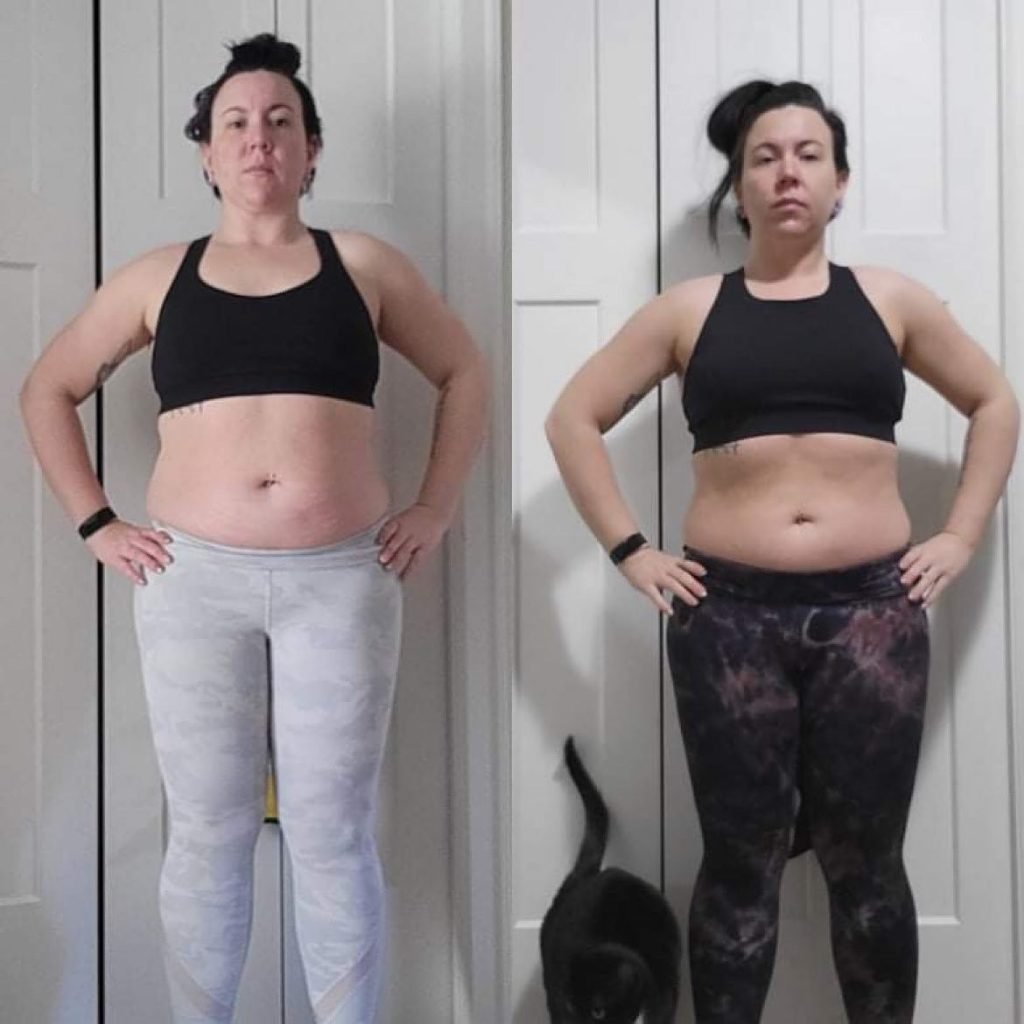
Success Stories: Women Who Reversed Insulin Resistance
Meet Sarah, a mom of three who dropped 45 pounds through smart insulin management and exercise – she made simple food swaps like brown rice for white rice and walked 30 minutes daily.
Maria’s story inspires us too – this busy executive reversed her insulin resistance in 6 months by lifting weights twice weekly and eating Mediterranean-style meals, which helped her lose 35 pounds.
Real-life examples of women who achieved weight loss
We’ve seen amazing results from Sarah, a 45-year-old mom of three who struggled with insulin resistance. She started with simple changes to her diet, cutting back on processed foods and adding more whole grains.
Her commitment to walking 30 minutes daily and strength training twice weekly led to a 25-pound weight loss in six months. Her blood glucose levels dropped from the prediabetic range to normal.
Our weight loss clinic tracked a group of postmenopausal women who combined diet changes with regular exercise. The results showed an impressive 10.8% body weight reduction in just 12 months.
Linda, one of our star patients, reversed her insulin resistance through Mediterranean-style eating and resistance training. She dropped four dress sizes while improving her energy levels for keeping up with her grandkids.
Her success proves that age doesn’t limit the body’s ability to respond to positive lifestyle changes.
Key takeaways from their journeys
Our successful members found that combining diet and exercise created the best results for insulin resistance. They had 2.76 times higher odds of bringing their blood sugar back to normal levels through this method.
Many moms in our program noticed quick wins by starting with simple changes, like swapping processed foods for whole grains and taking short walks after meals.
Regular physical activity proved extra powerful in our community’s success stories. Those who stuck to exercise routines saw 3.1 times higher chances of fixing their blood glucose problems.
Most moms started with 15-minute daily walks and built up to strength training twice weekly. Their progress showed that small, steady steps led to big changes in insulin sensitivity and weight loss success.
FAQs About Insulin Resistance and Weight Loss
Many women ask us about insulin resistance and weight loss – we’ve got the answers you need right here. Our experts break down the most common questions about blood glucose levels, exercise plans, and proven strategies that work for real moms.
Can insulin resistance be fully reversed?
We’ve seen amazing results with our patients who changed their daily habits to fight insulin resistance. Most people can reverse their insulin resistance through smart lifestyle changes, like regular exercise and a balanced diet.
Our medical team has tracked blood glucose levels in hundreds of women, proving that insulin sensitivity improves with consistent effort.
Our research shows the body responds well to specific changes that lower blood sugar naturally. Physical activity, especially strength training mixed with cardio, helps muscles use glucose better.
A diet rich in whole grains and low-glycemic foods makes a big difference too. We’ve found that women who stick to these changes for at least 12 weeks start seeing real improvements in their insulin sensitivity and weight loss goals.
How long does it take to see progress?
Now that we understand insulin resistance can be reversed, let’s talk about the timeline for progress. Most people start seeing changes in their insulin sensitivity within 34 weeks through steady lifestyle changes.
Our research shows this period splits into two parts: 34 weeks of active weight loss and 4 weeks of weight maintenance.
Moms can spot early signs of progress through better blood glucose levels and more stable energy levels. Small wins pop up in the first few weeks, like fewer sugar cravings and less fatigue after meals.
Physical changes take longer, but the wait pays off. The key lies in staying consistent with exercise and smart food choices. Many of our clients notice their clothes fitting better around week 12, with major improvements in insulin sensitivity showing up between weeks 20-30.
What are the best foods to eat for insulin resistance?
We’ve found great success helping moms manage insulin resistance through smart food choices. Our clients see the best results with low glycemic index foods that keep blood sugar levels steady.
Beans, legumes, and non-starchy vegetables top our list of go-to foods. These foods digest slowly and won’t cause sudden spikes in blood glucose. Lean proteins like chicken, fish, and turkey also play a key role in blood sugar control.
Nuts and whole grains round out the perfect plate for insulin-sensitive eating.
Moms in our weight loss groups report feeling fuller longer with these food choices. The fiber in beans and vegetables helps control hunger throughout the day. We make sure to include healthy fats from sources like avocados, olive oil, and fatty fish.
These fats support hormone balance and help reduce insulin resistance naturally. Our next section explores specific exercise plans that work with these dietary changes to speed up your results.
Conclusion
Insulin resistance makes weight loss harder for women, but simple changes can turn things around. Our bodies respond better to insulin through regular exercise, smart food choices, and good sleep habits.
Making these positive changes helps women shed pounds while fixing the root cause of stubborn weight gain. The path to better health starts with small steps that add up to big wins in managing insulin and reaching weight loss goals.