
Many moms want to lose weight but feel stuck. We try one diet after another and still do not get the results we hope for. Our busy lives make it tough to plan meals, count calories, or find time for exercise.
This struggle is real, and you are not alone. In searching for answers, we found something important: intermittent fasting can help improve insulin sensitivity and support healthy weight loss.
We studied research and expert advice made just for women like us.
Here, we will explain what intermittent fasting is, how long you should fast to see real changes in body fat and health, and which methods fit best with a family schedule. You will also find tips on how to stay safe if you are new to time-restricted eating or worried about things like low blood sugar.
Wondering when you might start seeing results? Keep reading—there is helpful information here for any mom who wants to try something different!
What Is Intermittent Fasting for Women?
Intermittent fasting for women means we switch between periods of eating and fasting. We follow a time-based calorie restriction, such as the 16/8 method. This means we eat during an eight-hour window and fast for sixteen hours each day.
Other options include alternate-day fasting or the 5:2 plan, where we eat normally five days a week but cut calories on two separate days.
This practice can help with weight loss and improve blood sugar levels in women who are overweight or have prediabetes. Studies show time-restricted eating may lower risk factors for heart disease and type 2 diabetes by reducing insulin resistance.
As moms, our schedules are busy; flexible methods like these allow us to fit healthy habits into daily life without counting every calorie all day long.
How Does Intermittent Fasting Work?
We just talked about intermittent fasting for women, now let’s look at how this eating pattern affects our bodies. During a fast, our body switches from burning sugar to burning fat for energy.
This process is called ketosis. Ketosis helps increase fat loss and supports better insulin sensitivity, both key parts of losing weight.
Many studies, including those endorsed by the American Heart Association in 2022, show that time-restricted eating can help lower blood sugar levels and reduce oxidative stress. “When we eat less often, we allow our gut microbes to rest and repair,” says Dr.
Courtney Peterson, who researches metabolic health at the University of Alabama at Birmingham. Shifting meal times also helps reset our circadian rhythm; this can improve metabolism and promote healthier sleep-wake cycles.
As moms looking to lose weight or manage type 2 diabetes risk, we benefit from calorie restriction during fasting diets without feeling deprived every day like on other low-calorie diets.
In real life, many of us find it easier to stick with intermittent fasting than traditional continuous energy restriction plans because there are clear rules and windows for eating healthy foods such as whole grains and lean proteins—so we’re less likely to snack all day long!
Popular Methods of Intermittent Fasting
Intermittent fasting has several popular methods, each offering unique ways to fast. The 16/8 method is a favorite among many of us, as it allows for eating within eight hours and fasting for the rest.
The 18/6 method gives us an even shorter eating window, while alternate-day fasting mixes up our routine by switching between days of normal eating and fasting. Some prefer twice-a-week fasting, which fits nicely into busy schedules.
Want to learn more about these methods? Let’s keep going!
16/8 Method
We eat during an 8-hour window and fast for the next 16 hours in the 16/8 method. Many moms find this time-restricted eating schedule simple to follow, since it lines up with a busy day.
We might choose to eat from 10 am to 6 pm or noon to 8 pm, based on what works best for our family routine.
In studies and reports, people often see weight loss or other health benefits within three weeks of starting this method. Our insulin sensitivity can improve as we limit late-night snacks and keep blood sugar levels steady.
Those struggling with irritable bowel syndrome may feel relief in as little as one week using this plan. Next, let’s explore the key points about the 18/6 Method and how that compares for women seeking results.
18/6 Method
Fasting for 18 hours and eating during a 6-hour window, like from 12 PM to 6 PM, helps many women lose weight. Our bodies burn stored fat for energy during the fasting period. This method fits well into busy mom schedules, since we can eat lunch, an afternoon snack, and dinner with the family.
Within one month of doing the 18/6 method, we often see noticeable weight loss and sharper mental focus. Insulin sensitivity may improve as our bodies get used to longer fasts, helping reduce insulin resistance over time.
This approach supports calorie restriction without strict counting and works well alongside healthy whole grains, lean proteins, and healthy fats in our meals. Next up is alternate-day fasting—let’s see how it compares for women looking to boost results even more.
Alternate-Day Fasting
Switching from the 18/6 method, we see a different approach with alternate-day fasting. In this plan, we eat normally one day and follow a low-calorie diet—often around 500 calories—the next day.
This “on-off” pattern makes it easier to manage calorie intake without strict daily limits.
Studies show that moms can lose about 5-6% of body weight in just 8-12 weeks using alternate-day fasting. Waist size drops too—many people see reductions of 5 to 7 centimeters. We also support better insulin sensitivity and lower our risk for type 2 diabetes by giving our bodies time between meals.
If we combine this routine with healthy fats, lean proteins, whole grains, and exercise, results come faster and last longer.
Twice-a-Week Fasting
On this plan, we eat as normal for five days but limit our calorie intake to 500 or fewer on two non-consecutive days. This method is also called the Fast Diet or intermittent energy restriction.
Dr. Michael Mosley made it popular in 2012 after sharing strong weight loss results and improved metabolic health on TV and in books.
Twice-a-week fasting can help us lower body fat, improve insulin sensitivity, and manage blood sugar levels. Many women find this routine easier than daily time-restricted eating because it offers more flexibility with family meals and busy schedules.
On fast days, sticking with lean proteins, healthy fats like avocados, whole grains, and lots of vegetables keeps us full while keeping calories low. Research shows that following this “5:2” schedule may reduce risks for heart disease and type 2 diabetes by lowering LDL cholesterol numbers.
“We noticed more stable energy levels after a few weeks of the twice-a-week fasting plan,”
If we get shaky or have symptoms of low blood sugar (hypoglycemia), skipping exercise on fast days can help prevent problems—especially if we are taking diabetes medications or dealing with chronic illness.
It helps to plan ahead for those lower-calorie days so meals feel filling even when calories are cut down.
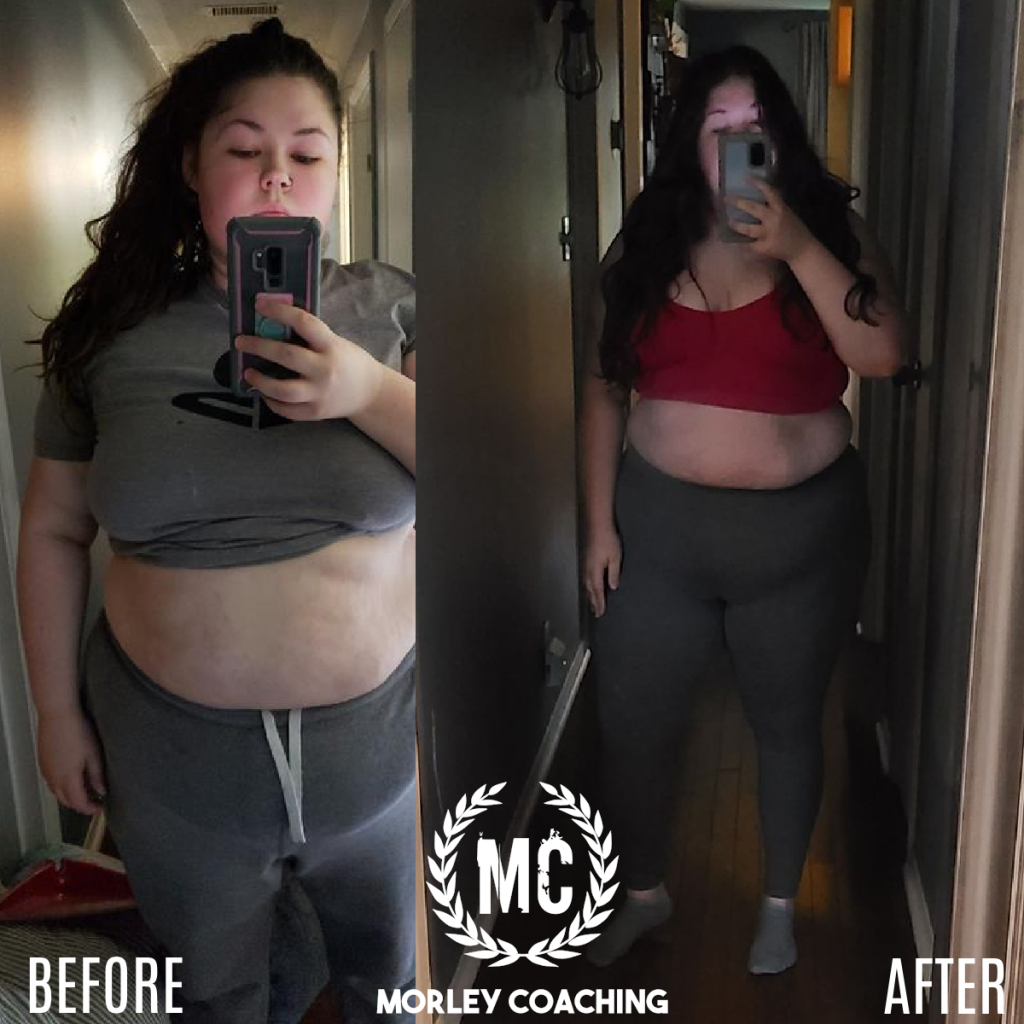
How Long Should Women Fast to See Results?
To see results with intermittent fasting, women can expect changes at different times. During the first week, some may notice slight weight loss or better energy levels. After a month, many feel more in control of their eating habits and see ongoing progress.
Long-term benefits often come after three months or more of commitment to this eating pattern.
Short-Term Results: Week 1
We can spot some early changes in the first week of intermittent fasting. Our bodies often start adjusting blood sugar levels within 24 hours. Some moms report less bloating and notice relief from irritable bowel syndrome (IBS) symptoms after just a few days.
We may see small drops on the scale, mostly due to water loss rather than fat burning at this stage.
Early signs like better insulin sensitivity or lower fasting glucose might show up, especially if we follow time-restricted eating with steady meal times and avoid overeating during our eating windows.
Energy levels can shift during these first seven days; some of us feel more clear-headed, while others need extra rest as calorie intake changes. Fitting healthy proteins and whole grains into our meals also helps support body composition shifts even in these short-term results.
Mid-Term Results: Month 1
By week four, many of us start to notice real changes. Some women see weight loss of three to six pounds, especially when sticking with time-restricted eating like the 16/8 method.
Our waist sizes may shrink as fat mass drops and our jeans fit better. Blood tests often show better insulin sensitivity, which means our bodies manage blood sugar levels more easily.
Many moms report feeling sharper mentally too. We might wake up with more energy and feel less brain fog during busy mornings. A steady routine can support better gut health and improved metabolic health for those managing type 2 diabetes or insulin resistance.
Eating mostly lean proteins, healthy fats, veggies, whole grains, and fruits helps keep these results going strong into month two.
Long-Term Results: 3 Months and Beyond
After sticking to intermittent fasting for three months, we start seeing big changes. Our heart health often improves a lot around this time. Studies show that risk factors like blood fats and blood pressure become much better after only 12 weeks of time-restricted eating.
We handle insulin better, too, which supports healthy blood sugar levels and cuts our risk of type 2 diabetes.
Many moms notice visible weight loss by the third month, especially if we combine fasting with exercise like resistance training. Muscle mass increases as well, making us feel stronger and more fit.
One mom in our group said:.
Three months in and my energy is up—I lost ten pounds but gained muscle.
Our habits get easier to keep up; many of us enjoy healthier eating patterns without even thinking about it anymore. Sticking with whole grains, lean proteins, healthy fats and keeping an eye on calorie intake helps maintain these long-term results.
Let’s look at what affects how fast or slow these results show for different women…
Factors That Influence Results
Many things can affect how well intermittent fasting works for us. Our age plays a role, as does how active we are each day. Hormonal health is also key—when our hormones are balanced, we feel better and may see results faster.
The quality of what we eat matters too; nutrient-rich foods support our goals. Want to know more about these important factors? Keep reading!
Age
Age plays a big role in how we respond to intermittent fasting. Women over 60, for example, have seen results with the 16/8 method. They lost about 4.5 pounds in just six weeks while following this plan.
As we get older, our bodies change, and it can be harder to lose weight.
Our metabolism might slow down, impacting how we process food and calories. Hormonal changes also affect our health and weight loss efforts. Keeping these factors in mind helps us choose the right fasting approach when aiming for better metabolic health or even trying to prevent issues like type 2 diabetes or heart disease.
Adjusting our methods based on age can lead to more successful outcomes in our weight loss journey.
Activity Level
Activity level matters in our fasting journey. Staying active boosts our results. When we exercise, we’re not just burning calories; we’re enhancing our metabolism too. Research shows that improved athletic performance can come after two months of consistent activity combined with intermittent fasting.
We should keep moving every day. Whether it’s walking, jogging, or lifting weights, any form of exercise helps us reach our weight loss goals faster. It enhances insulin sensitivity and supports metabolic health.
Regular workouts also improve heart health and endurance long-term. Balancing a healthy diet with physical activity creates great habits for lasting change!
Hormonal Health
Hormonal health plays a big role in how well intermittent fasting works for us. Hormones help control many processes in our bodies, including weight loss and energy use. If our hormones are out of balance, it can affect results from fasting.
For example, insulin is important for managing blood sugar levels. Insulin resistance can make losing weight tough. Women may face hormonal changes due to age or other factors that could influence success with intermittent fasting.
Keeping track of these changes helps us understand our own progress better and adjust as needed.
Diet Quality
Diet quality plays a big role in how we feel and our weight loss journey. We can achieve better results with a balanced diet that includes healthy fats, lean proteins, and whole grains.
Focusing on nutrient-dense meals helps us stay energized while maintaining good blood sugar levels. Eating well also supports our metabolic health and gut microbiome.
High-quality foods can help reduce inflammation and improve heart health too. Pairing intermittent fasting with nutritious choices will likely boost our success. Poor diet choices, like processed foods or added sugars, can hinder our progress even if we’re fasting.
By making smart food choices, we set ourselves up for lasting results on this journey together!
Benefits of Intermittent Fasting for Women
Intermittent fasting offers many benefits for women. It can help with weight loss and improve heart health, among other things….
Weight Loss
Weight loss can happen within weeks or a few months using intermittent fasting. Some women notice a drop in weight after just one week, losing around four pounds with early eating windows.
This method may help improve insulin sensitivity and support our metabolic health.
We find that sticking to methods like 16/8 or alternate-day fasting makes it easier to manage calorie intake. Along with choosing healthy foods, like lean proteins and whole grains, we can see even better results over time.
Improved Heart Health
Fasting contributes to our heart health. Studies demonstrate that after three months, we can observe significant changes. Our blood pressure and heart rate decrease in just three to four weeks.
Intermittent fasting enhances insulin sensitivity too. This is essential for preventing type 2 diabetes and reducing the risk of heart disease.
Eating within a designated time also promotes healthier habits. We begin selecting better foods, like lean proteins and healthy fats. These changes improve our well-being as we lose weight while taking care of our hearts.
Our diets become more balanced, which supports cardiovascular health over time.
Reduced Inflammation
Moving on from improved heart health, let’s discuss reduced inflammation. Intermittent fasting helps lower inflammation in our bodies over time. Research shows it can cut down C-reactive protein levels after just two months of fasting.
Lowering this protein is key because high levels indicate more inflammation.
We all know that chronic diseases often stem from inflammation. Conditions like type 2 diabetes and heart disease can worsen with ongoing inflammation. By practicing intermittent fasting, we support our body’s ability to heal and combat these issues.
Over time, this leads to a healthier gut microbiome too, which plays a crucial role in reducing oxidative stress and enhancing metabolic health. This approach supports weight loss and boosts our long-term well-being.
Better Gut Health
Reduced inflammation often connects to better gut health. With intermittent fasting, we can see changes in our gut within 3 to 4 weeks. Many of us find relief from issues like abdominal pain, bloating, and diarrhea.
Our gut microbiome flourishes on healthy eating habits. Fasting helps improve the balance of good bacteria in our guts. This shift may lower insulin resistance and enhance metabolic health too.
By making small dietary changes during our eating windows, we support a healthier digestive system that promotes weight loss and wellness.
Potential Risks and Considerations
Intermittent fasting has some risks we should think about. Hormonal changes can happen, which may affect energy levels and mood.
Hormonal Imbalances
Hormonal imbalances can make it hard for us to lose weight. These imbalances happen when our hormones are not at the right levels. Stress, diet, and age can affect our hormone balance.
For many moms, this means feeling tired or gaining weight even when we try to eat well.
When we fast intermittently, it might help with these issues. However, some women may experience side effects like mood swings or fatigue due to hormonal changes. We need to listen to our bodies and check how fasting affects us individually.
Having a healthy diet rich in lean proteins and healthy fats can also support better hormonal health while we are on this journey together.
Energy Levels and Fatigue
Energy levels can drop during intermittent fasting. Some of us may feel tired or dizzy, especially at the start. Low blood sugar is a common issue that can make us weak. Fatigue and headaches can happen too; these are side effects we should watch for.
Eating nutrient-dense meals helps boost energy. We need to stay hydrated and listen to our bodies. If we’re feeling really worn out, it might be a sign to adjust our fasting plan. Balancing our calorie intake is key for keeping up those energy levels while aiming for weight loss and better health.
Who Should Avoid Intermittent Fasting?
Pregnant and breastfeeding women should steer clear of intermittent fasting. Their bodies need regular nutrition to support both themselves and their babies. Those under 25 should also avoid it, as their bodies are still developing.
People with diabetes must be cautious too. Fasting can impact blood sugar levels. The elderly may face risks as well, especially if they have hormonal imbalances or health issues like seizure disorders or eating disorders, such as bulimia or anorexia nervosa.
It’s important for all of us to listen to our bodies and consult a healthcare professional before starting any fasting plan.
How to Start Intermittent Fasting Safely
To start intermittent fasting safely, we should ease into it. Begin with shorter fasts and slowly build up the time. Staying hydrated is key during this journey. It helps to keep your body feeling good while you adjust to a new routine.
Choose a fasting window that fits our daily life and stick with it for better results….
Gradual Transition to Fasting
We should start our fasting journey slowly. Beginners can begin with a 12-hour fasting period. This means we eat during a 12-hour window and fast for the other 12 hours. It’s simple, right? After a week or two, we can increase our fasting time to 14 hours.
This gradual change helps our bodies adapt better. It reduces stress on our system and promotes fat adaptation. We can listen to our bodies as we make this shift. Staying hydrated is important, too! Water keeps us feeling good while adjusting to intermittent fasting.
Always consult healthcare professionals before starting any new eating plan, especially if there are any medical conditions involved.
Staying Hydrated
Staying hydrated is key while we fast. Drinking enough water helps our bodies work well. It can curb hunger, too. Many of us might confuse thirst with hunger during fasting. If we drink water, it may keep those false cravings away.
We should aim for at least eight cups of water daily, especially on fasting days. Herbal teas and black coffee are good options as well. These drinks have little to no calories and support hydration; they can help improve gut health and even aid in weight loss over time.
Let’s fill that water bottle and stay refreshed!
Choosing the Right Fasting Window
Choosing a fasting window is key for our success. We find that eating earlier in the day, before 10 AM, helps us see better results. Early eaters lose about 1.5 pounds more than those who eat later, after noon.
A common method is the 16/8 approach. We fast for 16 hours and eat within an 8-hour window. This fits well into our busy lives; we can enjoy lunch and dinner without feeling deprived.
Keeping our meals nutrient-dense with lean proteins and healthy fats supports weight loss too!
Tips for Maximizing Results
To get the best results from intermittent fasting, we should focus on eating healthy meals packed with nutrients. It’s also key to avoid overeating during our eating times. Combining fasting with regular exercise helps too…
Let’s keep exploring this journey together!
Focus on Nutrient-Dense Meals
Nutrient-dense meals can make a big difference for us. We need to choose foods that pack a punch in vitamins and minerals. These foods help our bodies fight off disease, boost energy, and support weight loss.
We should fill our plates with lean proteins, healthy fats, whole grains, and plenty of fruits and vegetables. Foods like chicken, fish, nuts, beans, quinoa, and leafy greens are great options.
They keep us satisfied without extra calories. By focusing on nutrient-dense meals during our eating windows, we improve our metabolic health while enjoying delicious food!
Avoid Overeating During Eating Windows
Eating windows are important during intermittent fasting. They give us a chance to nourish our bodies. However, we must be careful not to overeat. Eating too much can slow down our progress and undo the hard work we put in.
Focusing on healthy, balanced meals is key. We should fill our plates with lean proteins, whole grains, and healthy fats. This helps keep us full without going overboard on calorie intake.
If we eat mindfully and listen to our body’s hunger signals, it becomes easier to avoid overeating during those crucial eating times.
Combine Fasting with Exercise
Combining fasting with exercise can help us gain lean muscle mass. This mix also boosts our athletic performance. Research shows that after two months, we might see improvements in how we feel during workouts.
While fasting, our body uses stored fat for energy, which can be great for weight loss. We should pay attention to our activity levels and focus on strength training or cardio during eating windows.
Staying active helps maintain metabolic health and improves insulin sensitivity too, making it easier to manage blood sugar levels over time.
Conclusion
Intermittent fasting can be a great tool for women looking to lose weight. We have many options, like the 16/8 method and alternate-day fasting. Results may come within a week or take longer, depending on our bodies and lifestyles.
Staying consistent is key. With patience and smart choices, we can enjoy the health benefits of fasting together!