
Why Your Menstrual Cycle Matters More Than You Think
Have you ever wondered why some weeks you feel unstoppable in the gym, while other weeks even getting through a short workout feels impossible?
Maybe one week you’re lifting heavier than ever, feeling motivated, and watching the scale move.
Then suddenly, the next week, you’re exhausted, bloated, craving chocolate, and wondering if you’ve somehow lost all your progress overnight.
If this sounds familiar, you’re not lazy.
You’re not lacking motivation.
And you’re definitely not failing.
You’re simply experiencing something that many fitness programs completely ignore—your menstrual cycle.
Most workout plans are built around male physiology. Men’s hormone levels stay relatively stable throughout the month. Women, however, experience significant hormonal changes every few days. These hormonal fluctuations influence everything from your metabolism and strength to your appetite, recovery, mood, and energy.
When you understand these changes and learn to work with them instead of against them, weight loss often becomes much easier.
Instead of forcing yourself to train the same way every day, you can adapt your workouts and nutrition to support what your body naturally needs during each phase of your cycle.
This approach is called cycle syncing, and while it’s not a magic solution, many women find that it helps them stay more consistent, reduce frustration, and improve their relationship with fitness.
In this guide, you’ll learn:
- How hormones affect weight loss
- The four phases of your menstrual cycle
- The best workouts for each phase
- What to eat throughout your cycle
- Why cravings happen
- How to reduce bloating
- Common mistakes women make
- How to build a sustainable fitness routine that works with your hormones instead of against them
Why Hormones Have Such a Big Impact on Weight Loss
Many women assume weight loss is simply about eating fewer calories and exercising more.
While calories matter, hormones play a major role in how your body responds to those calories.
Hormones influence:
- Hunger
- Satiety
- Water retention
- Energy levels
- Recovery
- Mood
- Fat storage
- Muscle growth
- Insulin sensitivity
- Sleep quality
That means your body doesn’t feel—or perform—the same every day of the month.
This is perfectly normal.
Understanding these fluctuations helps remove the guilt that many women feel when they suddenly lose motivation or struggle with cravings.
Your body isn’t working against you.
It’s simply changing.
Understanding the Four Phases of Your Menstrual Cycle
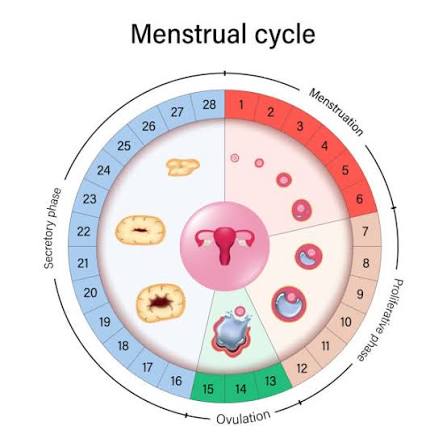
Most menstrual cycles last between 21 and 35 days, with 28 days being the average.
Each phase brings unique hormonal changes that influence how your body responds to exercise and nutrition.
The four phases include:
- Menstrual Phase
- Follicular Phase
- Ovulation
- Luteal Phase
Each phase has its own strengths, challenges, and opportunities.
Let’s explore them one by one.
Phase One: The Menstrual Phase (Days 1–5)
The menstrual phase begins on the first day of your period.
During this time, both estrogen and progesterone are at their lowest levels.
This explains why many women feel:
- Tired
- Less motivated
- More emotional
- Bloated
- Crampy
- Less interested in intense workouts
Your body is working hard during this phase.
Instead of viewing this as a setback, think of it as your body’s recovery week.
Professional athletes regularly include deload weeks in their training.
Your body naturally encourages one every month.
Best Workouts During Your Period
You don’t have to stop exercising completely.
Instead, choose movement that supports recovery.
Excellent options include:
- Walking
- Gentle yoga
- Pilates
- Stretching
- Mobility work
- Light strength training
- Easy cycling
Some women still feel amazing during their period.
If that’s you, continue training normally.
However, don’t feel guilty if your body asks for less.
Listening to your body is a sign of intelligence—not weakness.
Nutrition During Your Period
Your body loses iron during menstruation.
Focus on iron-rich foods like:
- Lean beef
- Spinach
- Lentils
- Beans
- Pumpkin seeds
Vitamin C helps increase iron absorption.
Pair spinach with strawberries or citrus fruits whenever possible.
Hydration also becomes especially important.
Drinking enough water may help reduce bloating and fatigue.
Phase Two: The Follicular Phase (Days 6–13)
For many women, this is the most enjoyable phase of the month.
Estrogen begins rising.
Energy improves.
Mood often becomes more positive.
Motivation increases.
Recovery speeds up.
Many women naturally feel more confident during this phase.
Your body becomes more efficient at using carbohydrates for energy, making this an ideal time to push yourself a little harder.
Best Workouts During the Follicular Phase
This is the perfect opportunity to challenge yourself.
Try:
- Heavy strength training
- HIIT workouts
- Running
- Bootcamp classes
- Boxing
- Circuit training
- Longer workouts
- Learning new exercises
You’ll often recover faster during this phase compared to the week before your period.
If you’ve been wanting to increase your weights or improve your personal best, this is usually the best time.
Nutrition During the Follicular Phase
Your appetite may naturally decrease.
Take advantage of this by focusing on nutrient-dense foods rather than restricting calories.
Aim for:
- Lean protein
- Whole grains
- Vegetables
- Fruits
- Healthy fats
Protein remains essential because this is an excellent time to build lean muscle.
For most women trying to lose weight, consuming 25–35 grams of protein per meal is a good target.
Phase Three: Ovulation (Around Day 14)
Ovulation is typically when estrogen reaches its highest level.
Many women notice they feel:
- Strong
- Energetic
- Confident
- Social
- Motivated
Research suggests strength, coordination, and power may all improve during this phase.
For many women, this becomes their highest-performing week in the gym.
However, it’s also worth noting that some research suggests certain ligament injuries may be slightly more common around ovulation due to hormonal effects on connective tissue.
That doesn’t mean you should avoid exercise—it simply means warming up properly and using good technique becomes even more important.
The Best Workouts During Ovulation
Ovulation is when many women naturally perform at their highest level. Estrogen peaks, energy is often at its best, and motivation tends to increase. If you’ve ever wondered why some workouts feel effortless while others feel impossible, your hormones may be the reason.
This is the ideal time to push yourself if your body feels ready.
Great workouts during ovulation include:
- Heavy strength training
- High-intensity interval training (HIIT)
- Sprint intervals
- Running
- Cycling
- Boxing
- CrossFit
- Bootcamp classes
- Challenging Pilates sessions
- Advanced yoga flows
If your goal is to build muscle, improve athletic performance, or increase strength, this is usually the best phase to progressively overload your workouts.
However, because some studies suggest joints may be slightly more lax during ovulation due to hormonal changes, prioritize proper warm-ups and excellent lifting technique.
What to Eat During Ovulation
Since your body is recovering well and training intensity may be higher, nutrition becomes especially important.
Focus on:
- Lean protein
- Complex carbohydrates
- Healthy fats
- Plenty of colorful vegetables
- Hydration
Excellent meal ideas include:
- Grilled chicken with sweet potatoes and broccoli
- Greek yogurt with berries and walnuts
- Salmon with quinoa and asparagus
- Turkey tacos on whole-grain tortillas
- Cottage cheese with fruit
Protein continues to be essential because it supports muscle repair after challenging workouts.
Aim to include protein with every meal and snack.
Phase Four: The Luteal Phase (Days 15–28)
The luteal phase begins after ovulation and continues until your next period starts.
This is often the most frustrating phase for women trying to lose weight.
Progesterone rises.
Estrogen begins to decline.
Your body starts preparing for pregnancy, even if pregnancy doesn’t occur.
As these hormonal changes happen, many women notice:
- Increased hunger
- Stronger cravings
- Lower energy
- Water retention
- Bloating
- Mood swings
- Poorer sleep
- Reduced workout motivation
If you’ve ever wondered why you suddenly crave chocolate a week before your period, this phase explains it.
Your body isn’t trying to sabotage you.
It’s responding exactly the way female physiology is designed.
Why You Feel Hungrier Before Your Period
Many women become discouraged because they feel like they’re constantly hungry during the week before menstruation.
Interestingly, this isn’t “lack of discipline.”
Research suggests that women naturally burn slightly more calories during the luteal phase.
Some estimates suggest metabolism may increase by 90 to 300 calories per day.
Your body literally needs more energy.
Instead of trying to ignore your hunger, work with it.
Choose foods that are filling rather than highly processed.
Examples include:
- Greek yogurt
- Eggs
- Lean meats
- Oatmeal
- Sweet potatoes
- Beans
- Vegetables
- Fruit
- Nuts in moderation
Giving your body nourishing foods often reduces the intensity of cravings.
Why You Gain Weight Before Your Period
One of the biggest mistakes women make is stepping on the scale during the late luteal phase and assuming they’ve gained fat.
In reality, most of that increase is temporary.
Hormonal fluctuations cause the body to retain more water.
It’s common for women to gain anywhere from two to seven pounds before menstruation.
This is not fat.
Once your period begins, much of that water naturally leaves your body.
Understanding this prevents unnecessary frustration.
Instead of panicking, continue following your healthy habits.
The scale will usually normalize within a few days.
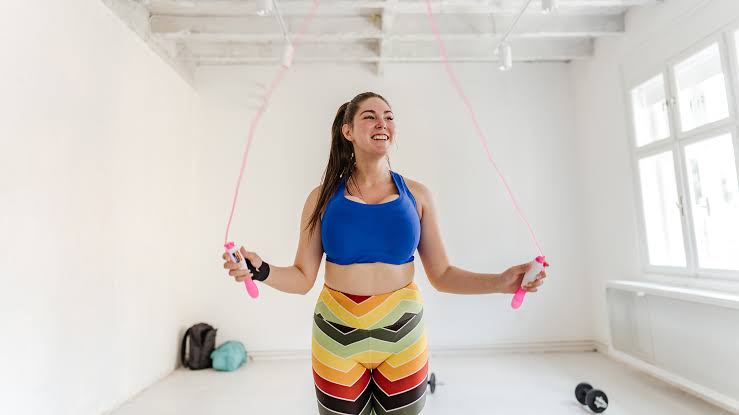
The Best Workouts During the Luteal Phase
As progesterone rises, recovery may slow slightly.
That doesn’t mean you should stop exercising.
Instead, adjust the intensity based on how you feel.
Early luteal phase:
- Continue strength training
- Moderate cardio
- Walking
- Pilates
Late luteal phase:
- Walking
- Yoga
- Mobility work
- Light strength sessions
- Stretching
- Low-impact cycling
Some women still feel great during this phase.
Others feel exhausted.
Neither response is wrong.
Listening to your body helps you stay consistent throughout the month instead of quitting altogether.
How Cycle Syncing Can Improve Weight Loss
Cycle syncing doesn’t magically burn more fat.
Instead, it helps you become more consistent.
When women stop expecting themselves to perform at 100% every single day, they often:
- Miss fewer workouts
- Recover better
- Eat more appropriately
- Experience less guilt
- Avoid burnout
- Stay active all month
Consistency beats perfection every time.
A woman who adjusts her workouts based on her hormones is far more likely to exercise for years than someone who repeatedly burns herself out trying to follow an unrealistic program.
Should You Change Your Calories Throughout Your Cycle?
One question I hear often is:
“Should I eat more during certain phases?”
The answer depends on your goals and your body.
Many women naturally need slightly more food during the luteal phase because metabolism increases and hunger becomes stronger.
Instead of fighting your body, consider making small adjustments.
For example:
- Add extra vegetables to meals
- Increase protein portions
- Include healthy snacks
- Choose high-fiber carbohydrates
The goal isn’t to binge.
The goal is to support your body’s changing needs while maintaining a moderate calorie deficit over time.
How Protein Supports Hormonal Health
Protein is important during every phase of your menstrual cycle.
It helps:
- Preserve lean muscle
- Improve recovery
- Increase fullness
- Reduce cravings
- Stabilize blood sugar
Many women under-eat protein, especially at breakfast.
A protein-rich breakfast can reduce hunger throughout the day.
Examples include:
- Greek yogurt with berries
- Eggs with whole-grain toast
- Protein oatmeal
- Cottage cheese and fruit
- Protein smoothies
Aim for approximately 25–35 grams of protein per meal.

The Importance of Sleep Throughout Your Cycle
Hormones also influence sleep quality.
Many women notice disrupted sleep during the late luteal phase.
Poor sleep increases:
- Hunger hormones
- Sugar cravings
- Fatigue
- Emotional eating
Prioritize:
- A consistent bedtime
- Limiting caffeine late in the day
- Reducing screen time
- Keeping your bedroom cool
- Relaxation techniques before bed
Good sleep improves recovery, hormones, and weight loss.
Cycle Syncing Nutrition: What to Eat During Each Phase of Your Menstrual Cycle
Your workouts are only one piece of the puzzle. The foods you eat throughout the month can also influence your energy, recovery, cravings, and ability to stay consistent with your weight loss goals.
Many women make the mistake of eating exactly the same way every day of the month. While consistency is important, your body’s nutritional needs naturally shift as your hormones fluctuate.
You don’t need a completely different meal plan every week. However, making small adjustments can help you feel better and make healthy eating easier.
Let’s break down what to prioritize during each phase.
Menstrual Phase Nutrition (Days 1–5)
During your period, your body is working hard to shed the uterine lining, which means it needs nutrients to support recovery.
Many women feel tired during this phase, partly because they lose iron through menstrual bleeding.
Focus on foods rich in:
Iron
Iron helps replace what your body loses during menstruation.
Great sources include:
- Lean beef
- Chicken thighs
- Spinach
- Lentils
- Black beans
- Tofu
- Pumpkin seeds
Pair these foods with vitamin C-rich options like oranges, strawberries, kiwi, or bell peppers to improve iron absorption.
Magnesium
Magnesium may help reduce cramps, headaches, and muscle tension.
Good sources include:
- Almonds
- Pumpkin seeds
- Spinach
- Dark chocolate (in moderation)
- Cashews
Hydration
Many women assume bloating means they should drink less water.
The opposite is actually true.
Staying hydrated helps your body regulate fluid balance and may reduce water retention.
Aim for at least half your body weight in ounces of water each day.
Follicular Phase Nutrition (Days 6–13)
As estrogen rises, many women naturally experience:
- Better digestion
- Higher energy
- Improved mood
- Reduced appetite
This is an excellent time to focus on whole foods and fueling your workouts.
Build meals around:
- Lean protein
- Vegetables
- Fruits
- Whole grains
- Healthy fats
Since training intensity is often higher during this phase, your body can efficiently use carbohydrates for energy.
Good carbohydrate choices include:
- Sweet potatoes
- Brown rice
- Oats
- Quinoa
- Fruit
This isn’t the time to fear carbs.
Instead, use them strategically to fuel strength training and recovery.
Ovulation Nutrition
Ovulation is often your highest-energy phase.
Continue emphasizing balanced meals.
Since inflammation may naturally increase slightly around ovulation, include foods rich in antioxidants.
Excellent choices include:
- Blueberries
- Strawberries
- Leafy greens
- Tomatoes
- Salmon
- Walnuts
- Olive oil
These foods support recovery while helping reduce oxidative stress.
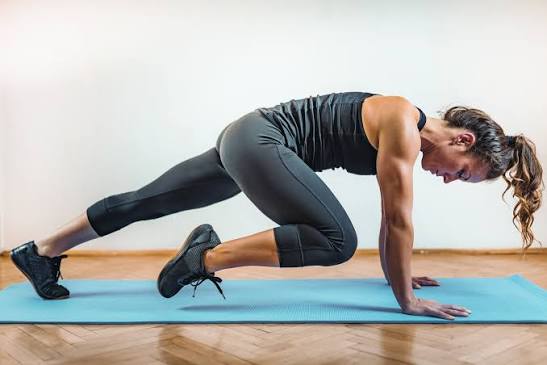
Luteal Phase Nutrition (Days 15–28)
This is where most women struggle.
Hunger increases.
Cravings become stronger.
Energy often decreases.
Instead of trying to “white-knuckle” your way through cravings, prepare for them.
The key is choosing foods that satisfy your body instead of triggering overeating.
Prioritize:
Protein
Protein helps reduce hunger and stabilize blood sugar.
Examples:
- Chicken
- Turkey
- Greek yogurt
- Eggs
- Cottage cheese
- Fish
Fiber
Fiber helps keep you full longer.
Choose:
- Vegetables
- Beans
- Fruit
- Oats
- Chia seeds
Healthy Fats
Healthy fats improve satisfaction.
Include:
- Avocados
- Nuts
- Seeds
- Olive oil
Why PMS Cravings Happen
Many women blame themselves when they suddenly crave sweets before their period.
However, cravings are not simply about willpower.
Hormonal shifts influence:
- Serotonin
- Blood sugar
- Appetite hormones
This explains why cravings for carbohydrates often increase during the luteal phase.
Rather than eliminating treats entirely, build them into your plan.
A balanced approach helps prevent binge eating.
For example:
Instead of eating an entire package of cookies, enjoy:
- Greek yogurt with dark chocolate chips
- Apple slices with peanut butter
- Protein pudding
- Frozen berries with whipped Greek yogurt
You satisfy the craving without feeling deprived.
Should You Train Through Your Period?
This is one of the most common questions women ask.
The answer is simple:
If you feel good, yes.
If you don’t, it’s okay to modify.
Some women set personal records during their period.
Others need more rest.
Both experiences are completely normal.
The goal isn’t forcing workouts.
The goal is remaining consistent over months and years.
Remember:
A lighter workout is still a workout.
A walk still counts.
Stretching still counts.
Consistency always wins.
Signs You May Be Overtraining During Certain Phases
Sometimes women try to push through every workout no matter how they feel.
This often leads to burnout.
Watch for these signs:
- Constant exhaustion
- Poor sleep
- Persistent soreness
- Increased injuries
- Irritability
- Loss of motivation
- Elevated resting heart rate
If these symptoms appear, your body may need more recovery.
Listening to your body is not giving up.
It’s training intelligently.
Cycle Syncing Isn’t About Being Perfect
One misconception about cycle syncing is that every workout must perfectly match each phase.
That’s simply not realistic.
Life happens.
Kids get sick.
Work gets busy.
Vacations happen.
Instead of aiming for perfection, think of cycle syncing as a helpful guide.
Some months your schedule won’t allow ideal training.
That’s okay.
The goal is progress—not perfection.
A Sample 28-Day Cycle Syncing Workout Plan
Here’s an example of how a woman might structure her month.
Days 1–5 (Menstrual Phase)
- Walking
- Gentle yoga
- Stretching
- Light strength training
- Mobility work
Days 6–13 (Follicular Phase)
- Heavy lifting
- HIIT
- Boxing
- Running
- Circuit training
Days 14–16 (Ovulation)
- Personal records
- Heavy strength workouts
- Challenging cardio
- Bootcamp
- Power yoga
Days 17–23 (Early Luteal Phase)
- Moderate lifting
- Walking
- Pilates
- Moderate cardio
Days 24–28 (Late Luteal Phase)
- Walking
- Yoga
- Mobility
- Light resistance training
- Recovery sessions
This schedule gives your body what it needs without sacrificing consistency.
Common Cycle Syncing Myths
Myth #1: You Can’t Lose Weight During Your Period
False.
Fat loss happens over weeks and months.
Temporary water retention does not stop fat loss.
Myth #2: You Should Never Exercise During Menstruation
False.
Exercise is completely safe for most women during their period.
Many actually feel better afterward.
Myth #3: Hormones Prevent Weight Loss
Hormones influence weight loss.
They do not make it impossible.
Healthy nutrition, strength training, sleep, stress management, and consistency still work.
Myth #4: You Need Different Supplements Every Week
No.
Most women simply benefit from:
- Protein
- Fiber
- Hydration
- Whole foods
- Good sleep
Supplements should fill gaps—not replace healthy habits.
Why Strength Training Should Stay in Your Plan Year-Round
Even though workout intensity changes throughout your cycle, strength training should remain your foundation.
Benefits include:
- Increased metabolism
- More lean muscle
- Improved bone density
- Better insulin sensitivity
- Greater confidence
- Easier long-term weight maintenance
Women often fear lifting weights will make them bulky.
In reality, it helps create the lean, toned look many women want.
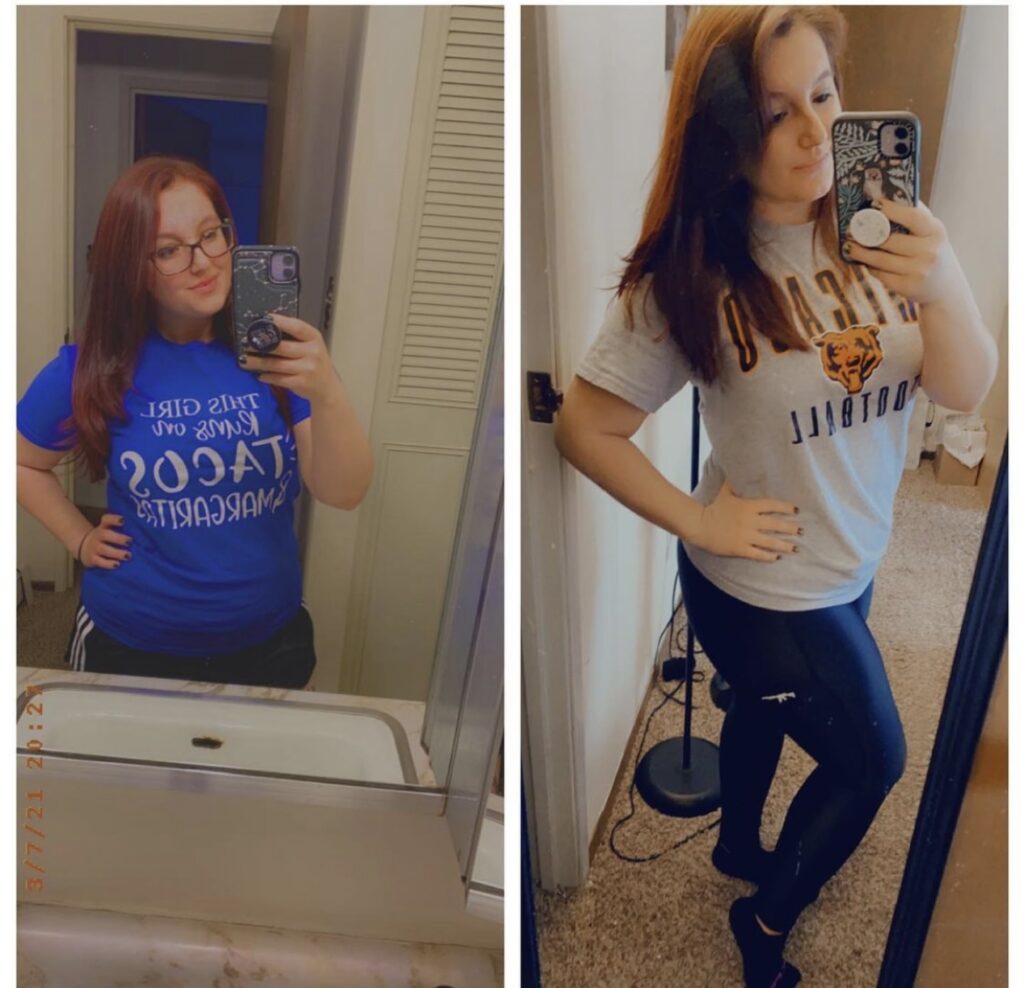
Frequently Asked Questions About Weight Loss and Your Menstrual Cycle
Can you lose weight during your period?
Yes. Your body continues burning fat during your period just like any other time of the month. However, many women retain extra water during menstruation, which can temporarily increase the number on the scale.
This water retention is completely normal and usually disappears within a few days after your period ends.
Instead of focusing on daily scale changes, track your progress over several weeks or months.
Should I skip workouts during my period?
Not necessarily.
If you feel good, continue exercising.
Many women enjoy strength training, walking, yoga, or cycling during their period.
If you’re experiencing severe cramps or fatigue, it’s perfectly okay to choose lighter movement.
Remember, consistency over the course of the month matters much more than one workout.
What is the best exercise during PMS?
During the late luteal phase, many women feel better with moderate exercise rather than intense training.
Great options include:
- Walking
- Yoga
- Pilates
- Light strength training
- Swimming
- Mobility work
These activities reduce stress while keeping you active.
Do hormones slow metabolism?
Hormones can influence metabolism, but they rarely stop weight loss entirely.
Estrogen, progesterone, cortisol, insulin, thyroid hormones, and sleep all affect how efficiently your body uses energy.
However, healthy habits still produce results.
The goal isn’t to fight your hormones—it’s to work with them.
Can cycle syncing help with PCOS?
Cycle syncing is generally designed for women who experience regular menstrual cycles.
Women with PCOS often have irregular or absent cycles, making traditional cycle syncing more challenging.
However, women with PCOS can still benefit from adjusting workouts based on energy levels, recovery, sleep, and symptoms rather than following a calendar.
If you have PCOS, it’s also important to work with your healthcare provider to create an individualized plan.
Can cycle syncing help women in perimenopause?
Perimenopause often brings irregular cycles, fluctuating hormones, and changing energy levels.
Although classic cycle syncing may become less predictable, the overall principle still applies.
Learning to adjust your workouts based on how your body feels instead of forcing high-intensity exercise every day can reduce burnout and improve consistency.
Many women in their 40s and 50s benefit from prioritizing:
- Strength training
- Walking
- Recovery
- Stress management
- Sleep
- Adequate protein intake
Do I need special supplements for cycle syncing?
Most women do not.
While some supplements may be helpful depending on individual needs, no supplement replaces the basics.
Prioritize:
- Protein
- Fiber
- Fruits and vegetables
- Hydration
- Strength training
- Sleep
- Stress management
If you’re considering supplements, speak with your healthcare provider or a registered dietitian first.
The Biggest Mistakes Women Make When Trying to Lose Weight Throughout Their Cycle
Understanding your cycle is only part of the equation. Many women unintentionally make mistakes that make weight loss feel harder than it needs to be.
Mistake #1: Comparing Every Week to Your Best Week
During your follicular phase, you might feel energetic, motivated, and strong.
Then the week before your period arrives, everything changes.
Many women assume they’re losing progress.
They’re not.
They’re simply in a different hormonal phase.
Stop comparing one week of your cycle to another.
Instead, compare one follicular phase to the next or one month to the next.
This provides a much more accurate picture of your progress.
Mistake #2: Giving Up Because of Temporary Water Weight
One of the biggest reasons women quit is because the scale goes up before their period.
Remember:
Water weight is not body fat.
Temporary bloating does not erase weeks of healthy eating.
Stay consistent.
Your body will regulate itself.
Mistake #3: Treating Every Workout the Same
Many fitness plans tell women to train at maximum intensity every day.
That approach ignores basic female physiology.
Some days your body is ready to push harder.
Other days it needs recovery.
Both are productive.
Training smarter often leads to better long-term results than training harder.
Mistake #4: Ignoring Recovery
Recovery is not laziness.
Recovery is where your body repairs muscle, balances hormones, and prepares for future workouts.
Recovery includes:
- Sleep
- Walking
- Stretching
- Yoga
- Rest days
- Good nutrition
Women who prioritize recovery often experience better performance and fewer injuries.
Mistake #5: Chasing Perfection Instead of Consistency
One missed workout.
One unplanned meal.
One stressful day.
None of these ruin your progress.
Many women fall into the “I already messed up” mindset.
Instead, focus on the next healthy decision.
Long-term success comes from hundreds of small choices—not one perfect week.
The Science Behind Cycle Syncing
Although research on cycle syncing is still growing, we already know that hormonal fluctuations can influence:
- Energy levels
- Body temperature
- Strength
- Recovery
- Mood
- Appetite
- Sleep
- Motivation
Several studies have found that women may experience changes in exercise performance and recovery across different phases of the menstrual cycle. However, responses vary from person to person.
This means there isn’t a one-size-fits-all approach.
Instead of following rigid rules, use cycle syncing as a framework to help you understand your own body.
Pay attention to how you feel, track your cycle, and adjust your workouts accordingly.
Additional Resources
If you’d like to learn more about women’s hormones, menstrual health, and exercise, these evidence-based resources are excellent places to start:
- American College of Obstetricians and Gynecologists (ACOG): https://www.acog.org
- Office on Women’s Health: https://www.womenshealth.gov
- Cleveland Clinic Women’s Health: https://health.clevelandclinic.org
- Harvard Health Publishing: https://www.health.harvard.edu
- National Institutes of Health: https://www.nih.gov
Final Thoughts: Work With Your Body, Not Against It
For years, women have been told to follow the same workout plan every single day, every week, and every month.
However, your body isn’t designed to function the same way every day.
Your hormones naturally change throughout your menstrual cycle, influencing your energy, strength, recovery, appetite, and mood.
Instead of viewing these changes as obstacles, learn to see them as valuable information.
Some weeks are ideal for pushing yourself.
Other weeks are ideal for slowing down, recovering, and showing yourself a little more grace.
Both are essential parts of long-term progress.
The women who achieve lasting weight loss aren’t the ones who train the hardest every single day.
They’re the ones who stay consistent through every phase of the month.
When you stop fighting your body and start understanding it, everything becomes easier.
Weight loss feels less frustrating.
Workouts become more enjoyable.
Nutrition becomes more intuitive.
Most importantly, you begin building habits that actually fit your life.
Ready to Stop Guessing and Start Seeing Results?
If you’re tired of trying generic workout plans that ignore your hormones, it’s time for a more personalized approach.
Inside my 1:1 coaching program, I help busy women lose weight by creating a plan that fits their lifestyle, hormones, schedule, and goals. Together, we’ll build sustainable nutrition habits, effective strength workouts, and realistic strategies that help you stay consistent—without restrictive diets or spending hours in the gym.
Whether you’re navigating PMS, PCOS, postpartum, perimenopause, or simply want a smarter way to lose weight, I’ll help you create a plan that works with your body instead of against it.
👉 Click here to apply for my 1:1 coaching program and take the first step toward sustainable weight loss.