
f you’ve ever been told that carbohydrates are the reason you can’t lose weight, you’re not alone.
Women trying to lose weight often hear conflicting advice. One person says to cut carbs completely. Another recommends keto. Someone else insists that eating carbs after a certain time causes weight gain.
It can feel like you need a nutrition degree just to figure out what to eat for dinner.
That’s where carb cycling enters the conversation.
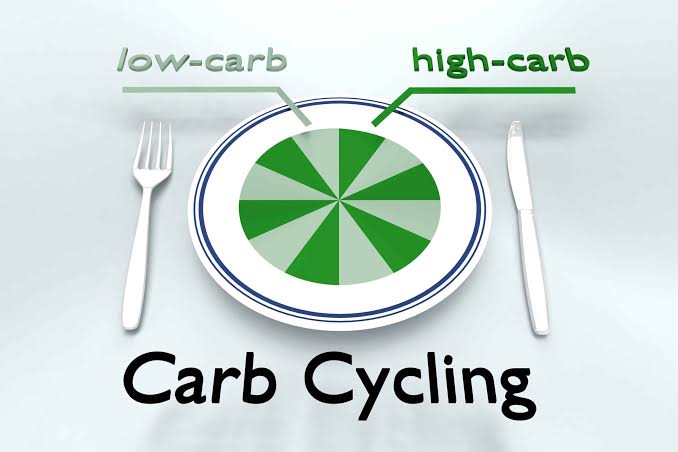
Carb cycling is a nutrition strategy that involves changing how many carbohydrates you eat on different days. Some people eat more carbs on demanding workout days and fewer on rest days.
The idea sounds appealing, especially if you’re a busy woman balancing workouts, work, family, and everything else on your plate.
But here’s the important question: Does carb cycling actually help women lose weight faster, or is it another complicated diet trend?
Let’s break down how carb cycling works, its potential benefits and drawbacks, and how to decide whether it fits your lifestyle.
What Is Carb Cycling for Women?
Carb cycling is an eating approach that alternates between higher-carbohydrate and lower-carbohydrate days according to a planned schedule.
Instead of eating roughly the same amount of carbohydrates every day, you adjust your intake based on factors such as workout intensity, activity level, and personal preferences.
For example, a woman might eat more carbohydrates on a day when she performs a challenging strength workout. On a rest day, she might eat fewer carbohydrates because her energy needs are lower.
Carb cycling is sometimes used by athletes and fitness enthusiasts who want to coordinate their nutrition with training.
However, carb cycling is not a proven shortcut to faster fat loss. Research has not established that routinely alternating carbohydrate intake produces greater weight loss than a consistent, balanced diet when overall calorie intake and other factors are comparable.
The strategy may help some women organize their eating around activity. For others, it creates unnecessary rules.
The best approach depends on your goals, training, preferences, and ability to maintain the routine.
How Does Carb Cycling Work?
Carbohydrates provide energy for your body. During digestion, your body breaks down many carbohydrates into glucose, which cells use for fuel.
Your body also stores some carbohydrate as glycogen in your muscles and liver. Glycogen helps support physical activity, particularly higher-intensity exercise.
Carb cycling attempts to match carbohydrate intake with changing energy demands.
1. High-Carb Days
On higher-carbohydrate days, you eat more carbohydrate-rich foods.
These days are often scheduled around demanding workouts, such as heavy strength sessions, interval training, or longer endurance activities.
Foods might include:
Oats
Rice
Potatoes and sweet potatoes
Whole-grain bread
Pasta
Fruit
Beans and lentils
Carbohydrates can help replenish glycogen and support training performance.
However, a high-carb day doesn’t mean unlimited eating. Your overall energy intake still matters if weight loss is your goal.
2. Moderate-Carb Days
Moderate-carbohydrate days provide a middle ground.
You might use these days for regular activity, shorter workouts, or your typical work and family routine.
Meals can include protein, vegetables, fruit, whole grains, and healthy fats.
For many women, eating a similar amount of carbohydrates each day already works well. You don’t need to cycle your intake to benefit from a balanced diet.
3. Lower-Carb Days
On lower-carbohydrate days, you reduce some carbohydrate-rich foods while continuing to eat adequate protein, vegetables, fats, and other nutrient-dense foods.
Some women schedule these days on rest days or days with lighter activity.
However, lower-carb days shouldn’t mean eliminating all carbohydrates or eating as little as possible. Vegetables, fruit, legumes, and dairy products may still contribute carbohydrates and important nutrients.
You also don’t need to reduce carbohydrates on rest days. Your body continues to recover and replenish energy between workouts.
Can Carb Cycling Help Women Lose Weight Faster?
The short answer is that carb cycling may help some women structure their nutrition, but there is insufficient evidence that it independently accelerates fat loss.
Weight loss primarily depends on maintaining an appropriate calorie deficit over time. That means your body uses more energy than you consume, on average.
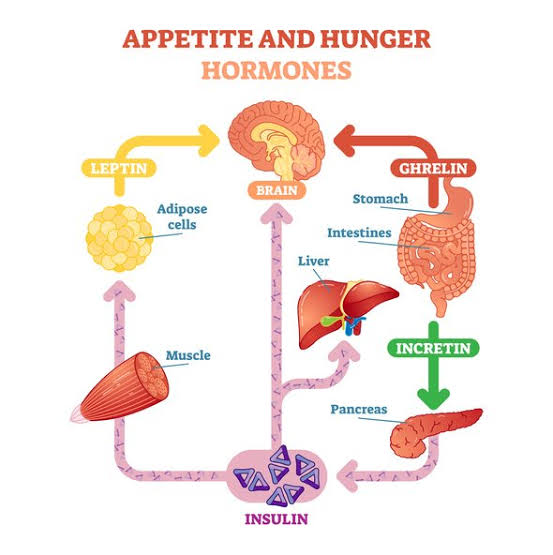
Carbohydrate intake can influence your energy levels, exercise performance, hunger, and water weight. However, changing carbohydrate intake doesn’t automatically increase the amount of body fat you lose.
Let’s look at the potential advantages and limitations.
Potential Benefit 1: Supporting Workout Performance
Carbohydrates are an important fuel source for higher-intensity exercise.
If you lift weights, perform intervals, or participate in demanding sports, eating enough carbohydrates may help you train effectively.
For example, you might feel better performing a challenging lower-body workout after eating oats, fruit, or rice than after severely restricting carbohydrates.
Better training can help you work toward improved strength and muscle development.
Still, you don’t need a formal carb-cycling schedule to achieve this benefit. Consistently eating enough carbohydrates can work just as well.
Potential Benefit 2: Creating a More Flexible Eating Routine
Some women enjoy having different nutrition targets depending on their training schedule.
A higher-carbohydrate day might include extra rice or potatoes around a demanding workout. A lower-carbohydrate day might include more vegetables and protein while reducing some grain portions.
This structure can help certain people plan meals.
However, flexibility should make your life easier, not create anxiety about eating the wrong foods on the wrong day.
Potential Benefit 3: Helping Some Women Manage Their Appetite
Individual responses to carbohydrate intake vary.
Some women feel more satisfied when meals include oats, potatoes, fruit, and whole grains. Others prefer meals with more protein and fats.
Carb cycling may help you experiment with meal composition, but there is no guarantee it will reduce hunger.
In fact, aggressively cutting carbohydrates can leave some women feeling hungry, tired, or preoccupied with food.
If your lower-carb days lead to intense cravings or overeating later, your plan may be too restrictive.
Potential Benefit 4: Supporting a Structured Training Plan
Carb cycling can encourage you to think about nutrition in relation to your workouts.
For an active woman, this may prompt useful questions:
Am I eating enough to support my training?
Do I feel energized during workouts?
Am I recovering adequately?
Are my meals balanced and satisfying?
These are valuable questions whether or not you choose to cycle carbohydrates.
What About Faster Fat Burning?
Some low-carbohydrate approaches can increase the amount of fat your body uses for fuel during certain periods.
However, burning more fat for fuel during a workout is not the same as losing more body fat over time.
Your body continually adjusts how it uses carbohydrates and fats for energy. Long-term changes in body fat depend on your overall energy balance and other individual factors.
If your weight drops quickly after reducing carbohydrates, some of that initial change may be water associated with lower glycogen stores. It doesn’t necessarily represent faster fat loss.
Carb Cycling vs. a Consistent Balanced Diet
Before adopting a more complicated nutrition strategy, consider how carb cycling compares with eating a similar amount of carbohydrates every day.
| Factor | Carb cycling | Consistent balanced diet |
|---|---|---|
| Carbohydrate intake | Changes across days | Stays relatively consistent |
| Meal planning | Requires different targets | Often simpler to plan |
| Workout support | Can align carbs with demanding sessions | Can provide steady fuel for training |
| Weight loss | Depends on overall intake and consistency | Also depends on overall intake and consistency |
| Flexibility | May suit people who enjoy structured targets | Often easier for busy schedules |
| Best fit | People who prefer varied nutrition targets | People who value simplicity and consistency |
Neither approach is automatically superior.
If you enjoy detailed planning and have a demanding training schedule, carb cycling might appeal to you.
If you want to lose weight while managing work, children, and family responsibilities, a consistent approach may be easier to maintain.
You don’t need to make nutrition more complicated than necessary to see results.

How to Approach Carb Cycling as a Woman
If you’re interested in trying carb cycling, start by understanding your energy needs rather than immediately cutting carbohydrates.
A sensible approach should support your health, training, and daily responsibilities.
Step 1: Establish Your Nutrition Basics First
Before changing your carbohydrate intake, focus on the habits that make the biggest difference.
These include:
Eating enough protein to support muscle maintenance and recovery.
Including vegetables and fruit regularly.
Choosing fiber-rich carbohydrates when you enjoy them.
Eating enough total food to support your activity and health.
Drinking adequate fluids.
Maintaining a consistent exercise routine.
Getting sufficient sleep.
If these habits are inconsistent, carb cycling probably won’t solve the underlying problem.
Step 2: Identify Your Training Schedule
Consider which days involve your most demanding exercise.
For example, you might strength train on Monday, Wednesday, and Friday, with walking or lighter activity on the other days.
If you decide to vary carbohydrates, you could eat more on demanding training days and keep intake moderate on other days.
However, don’t assume that every workout requires a high-carb day or that rest days require low carbohydrates.
Your total activity, workout duration, training intensity, appetite, and recovery all influence your needs.
Step 3: Keep Protein Consistent
Protein supports muscle repair and maintenance, which is particularly important if you’re strength training while losing weight.
Include a protein source in your meals regardless of whether it’s a higher- or lower-carbohydrate day.
Examples include:
Eggs
Chicken
Fish
Greek yogurt
Cottage cheese
Tofu
Beans and lentils
Lean meat
You don’t need to eat the same foods every day. Choose options that suit your preferences, budget, and nutritional needs.
Step 4: Adjust Portions Rather Than Eliminating Food Groups
If you want to experiment with carbohydrate intake, begin with small adjustments.
For example, a higher-carbohydrate meal might include a serving of rice, chicken, and vegetables. A lower-carbohydrate version might include a smaller serving of rice and more vegetables, with the chicken portion remaining similar.
Both meals can be nutritious.
You don’t need to eliminate fruit, bread, potatoes, or other carbohydrate-containing foods to lose weight.
Step 5: Monitor Energy, Hunger, and Recovery
Pay attention to how your body responds.
Ask yourself:
Do I have enough energy during workouts?
Am I recovering well?
Am I constantly hungry?
Is my sleep affected?
Can I follow this routine without feeling stressed?
Am I making progress toward my goals?
If you feel exhausted, experience persistent dizziness, struggle with recovery, or become preoccupied with food, reconsider your approach and seek professional guidance when appropriate.
Your nutrition plan should support your health, not leave you feeling depleted.
A Sample Carb-Cycling Meal Plan for Women
The following example illustrates how carbohydrate portions might vary across different days. It is not a prescribed diet or a guarantee of weight loss.
Portions should be individualized based on your energy needs, body size, activity, health, and goals.
Example: Higher-Carbohydrate Training Day
Breakfast ideas:
Oatmeal with Greek yogurt and berries
Eggs on the side, if desired
Lunch ideas:
Chicken breast
Rice
Roasted vegetables
Snack ideas:
Banana and Greek yogurt
Dinner ideas:
Salmon
Baked potato
Green vegetables
This day includes carbohydrate sources that can support training and recovery, along with protein and other nutrients.
Example: Moderate-Carbohydrate Day
Breakfast:
Scrambled eggs
Whole-grain toast
Fruit
Lunch:
Chicken and avocado wrap
Side salad
Snack:
Cottage cheese and berries
Dinner:
Lean ground turkey
Roasted potatoes
Mixed vegetables
This day still includes carbohydrates at multiple meals. The goal isn’t to avoid them, but to create a balanced eating pattern.
Example: Lower-Carbohydrate Day
Breakfast:
Eggs with spinach
Greek yogurt, if desired
Lunch:
Chicken salad with avocado
Olive oil and lemon dressing
Snack:
Cottage cheese and cucumber
Dinner:
Baked salmon
Roasted broccoli
Cauliflower mash
This example includes fewer concentrated carbohydrate sources than the higher-carbohydrate day. However, it still provides protein, fats, vegetables, and other nutrients.
Important: This meal plan is only an illustration of changing food choices. It does not establish that lower-carbohydrate days produce better results. Your total food intake must remain appropriate for your health and energy needs.
Does Carb Cycling Affect Women’s Hormones?
Women’s hormonal health is an important consideration when choosing a weight-loss strategy.
You may have heard claims that carb cycling balances hormones, improves estrogen, or helps regulate your menstrual cycle.
These claims need to be treated cautiously.
There is currently insufficient evidence that carb cycling itself balances women’s hormones or provides specific hormonal benefits.
What matters is ensuring that your body receives enough energy and nutrients to support normal physiological function.
Avoid Chronic Under-Eating
If you combine aggressive calorie restriction, very low carbohydrate intake, and demanding exercise, you may not consume enough energy to support your body’s needs.
Low energy availability can affect menstrual function, bone health, recovery, and other aspects of health.
Signs that your approach may be too restrictive include:
Persistent fatigue
Declining exercise performance
Poor recovery
Menstrual changes
Increased food preoccupation
Repeated injuries
These symptoms can have several causes, so don’t assume nutrition is the only explanation. Seek advice from a qualified healthcare professional if you experience persistent or concerning changes.
What About Perimenopause and Menopause?
Hormonal changes during perimenopause and menopause can affect sleep, body composition, and where fat is stored.
However, these changes don’t mean carbohydrates are the problem or that carb cycling is necessary.
Women in this stage of life may benefit from strength training, adequate protein, sufficient sleep, and a sustainable eating pattern.
If you have specific symptoms or medical concerns, individualized guidance from a healthcare professional can help you choose an appropriate approach.
Who Should Consider Carb Cycling?
Carb cycling may appeal to women who enjoy structured nutrition planning and have different training demands throughout the week.
For example, an experienced recreational athlete might prefer to eat more carbohydrates before demanding sessions while keeping meals simpler on lighter days.
Even then, carb cycling is an option, not a requirement.
Who May Not Benefit From Carb Cycling?
A more consistent approach may be preferable if you:
Have a demanding schedule and limited time for meal planning.
Find tracking food stressful or overwhelming.
Experience intense cravings after restricting carbohydrates.
Prefer eating similar meals throughout the week.
Are new to nutrition and exercise.
Have a history of restrictive dieting or disordered eating.
If you have diabetes, take medication that can cause low blood glucose, are pregnant or breastfeeding, or have another medical condition that affects nutrition, consult an appropriate healthcare professional before making substantial dietary changes.
The goal is to find an eating pattern that supports your health and fits your life.
Common Carb-Cycling Mistakes Women Should Avoid
If you decide to experiment with carb cycling, watch out for these common mistakes.
Mistake 1: Cutting Carbohydrates Too Low
Lower-carb days shouldn’t mean eating as little as possible.
Carbohydrates can support exercise performance and provide fiber and other nutrients. Removing too many carbohydrate-rich foods may make your diet less satisfying or nutritionally balanced.
Mistake 2: Treating High-Carb Days as Cheat Days
Higher-carbohydrate days aren’t permission to ignore hunger and fullness or eat far beyond your needs.
You can enjoy foods you love without labeling days as good, bad, or unrestricted.
Mistake 3: Ignoring Total Calorie Intake
Carb cycling doesn’t override energy balance.
If your overall intake consistently exceeds your energy needs, you may not lose weight, even if you have several low-carb days.
Likewise, you can lose weight without cycling carbohydrates.
Mistake 4: Expecting the Scale to Drop Every Day
Carbohydrate intake affects glycogen storage, and glycogen is stored with water.
When you reduce carbohydrates, the scale may drop quickly because your body stores less glycogen and associated water. When you increase carbohydrates again, some of that weight may return.
This fluctuation doesn’t necessarily mean you gained or lost body fat.
Look at longer-term trends rather than reacting to individual weigh-ins.
Mistake 5: Changing Too Many Things at Once
If you simultaneously change your calories, carbohydrates, workouts, and meal timing, it becomes difficult to identify what’s helping.
Start with the basics first. Make gradual changes and pay attention to your energy, recovery, and consistency.
Mistake 6: Believing Complicated Means Better
Nutrition doesn’t need to be complicated to work.
A balanced eating pattern with sufficient protein, fiber-rich foods, and appropriate portions can support weight loss without a detailed carb-cycling calendar.
The simplest plan you can follow consistently may be the best choice for you.
Frequently Asked Questions About Carb Cycling for Women
Is carb cycling good for women’s weight loss?
It may help some women organize their nutrition around exercise, but there is insufficient evidence that carb cycling causes more fat loss than a consistent diet when overall calorie intake is comparable. Its value depends on whether it helps you maintain healthy, sustainable habits.
How many days a week should women eat high carbs?
There is no universal number. Some people align higher carbohydrate intake with demanding workouts, while others maintain a relatively consistent intake every day. Your needs depend on training intensity, activity, preferences, and overall energy requirements.
Can women lose belly fat with carb cycling?
Carb cycling cannot specifically target belly fat. Fat loss occurs throughout the body according to individual patterns. Overall energy balance, regular activity, strength training, and sustainable nutrition habits are more important than changing carbohydrates on particular days.
Is carb cycling better than keto?
Neither approach is automatically better for every woman. Keto generally involves maintaining a very low carbohydrate intake to promote ketosis, while carb cycling varies carbohydrate intake across days. Both approaches require consideration of nutritional adequacy, sustainability, health conditions, and personal preferences.
Can I build muscle while carb cycling?
It is possible to build muscle while varying carbohydrate intake, provided your overall nutrition and training support muscle growth. Progressive strength training, adequate protein, sufficient energy, and recovery are important. Carb cycling itself is not necessary for building muscle.
Should I eat carbs on rest days?
Yes, you can. Your body continues to recover between workouts, and carbohydrates remain a useful source of energy. You don’t need to eliminate them just because you aren’t exercising that day.
Does carb cycling work for women over 40?
Women over 40 can lose weight with a variety of balanced eating patterns. Carb cycling is not specifically required because of age or hormonal changes. Strength training, adequate nutrition, sleep, and an appropriate overall energy intake remain important.
How quickly will I see results from carb cycling?
Results vary. You may notice short-term scale changes when carbohydrate intake changes, but these can reflect water and glycogen rather than fat loss. Meaningful changes in body composition generally require consistent habits over time.
Final Thoughts: You Don’t Need to Fear Carbs to Lose Weight
Carb cycling can be an option for women who enjoy planning their nutrition around their training schedule.
However, it isn’t a magic fat-burning method, and it hasn’t been established as a superior approach for weight loss.
You don’t need to fear carbohydrates, eliminate bread, or save rice exclusively for workout days.
Instead, focus on the fundamentals: balanced meals, adequate protein, regular strength training, daily movement, quality sleep, and habits you can maintain.
If changing carbohydrate intake helps you feel energized and organized, it may be worth exploring. If it makes your life more complicated, there’s no reason to force it.
The best weight-loss plan isn’t the one with the most rules. It’s the one that helps you make progress while still enjoying your life.
Ready to Lose Weight Without Restrictive Diets or Complicated Rules?
If you’re a busy woman who wants to lose weight, build strength, and feel confident without spending hours in the gym or constantly worrying about food, my 1:1 coaching program can help you create a plan that fits your real life.
You’ll receive personalized guidance for nutrition, workouts, accountability, and sustainable habits designed around your goals and schedule.
You don’t need another extreme diet. You need a strategy you can actually maintain.
👉 Click here to learn more about my 1:1 coaching program and start your sustainable weight-loss journey.