
We get it – losing weight can feel like an uphill battle when anxiety creeps in. So many women face this exact struggle. Those nagging worries and stress can totally throw off your eating, sleeping, and workout habits.
It’s no wonder dropping pounds feels extra tough.
We’ve been in your shoes before. Anxiety used to derail our own weight loss efforts too. But here’s the good news – you can turn things around! Studies show that small, steady changes lead to the best long-term results.
We’ve researched extensively to find ways to beat anxiety and reach those goals. In this post, we’ll share easy tips to calm your mind and trim your body. Are you excited to feel awesome inside and out?
Can Anxiety Cause Weight Loss?
Anxiety can indeed lead to weight loss. This link between stress and changes in body mass often surprises people.
Loss of Appetite
We often experience reduced hunger when feeling anxious. Our bodies release stress hormones like cortisol and adrenaline. These chemicals can decrease our appetite. It’s a typical response to stress, but it can disrupt our eating patterns.
A diminished appetite isn’t always detrimental for weight reduction. But it’s not a healthy approach to lose weight. We need nutritious food to maintain our bodies’ strength. Missing meals can leave us fatigued and weak.
It’s preferable to consume small, regular meals even when we don’t feel hungry.
Anxiety can suppress appetite, but balanced nutrition remains crucial for overall health.
Changes in Eating Habits
Anxiety can really shake up our eating habits. We might find ourselves skipping meals or losing interest in food altogether. This isn’t just about forgetting to eat – it’s our body’s way of dealing with stress.
Some of us may turn to comfort foods, while others lose their appetite. It’s like our stomachs are tied in knots, making it hard to eat normally.
Our eating patterns can become erratic when we’re anxious. We might binge on junk food one day and barely touch a bite the next. This yo-yo effect can mess with our weight loss goals.
It’s tough to stick to a healthy diet when our emotions are all over the place. But don’t worry – we’re not alone in this. Many women face these same challenges when trying to shed pounds while dealing with anxiety.
Increased Physical Activity and Restlessness
Changes in eating habits often go hand in hand with shifts in physical activity. We’ve seen many women experience heightened restlessness when dealing with anxiety. This restlessness can lead to more movement throughout the day.
Fidgeting, pacing, or even cleaning more often are common signs. These extra movements burn calories without us realizing it.
Our bodies react to stress in unique ways. Some women find themselves unable to sit still when anxious. They might tap their feet, play with their hair, or constantly readjust their position.
This extra activity adds up over time. It’s like doing mini-workouts all day long. While it’s not a healthy way to lose weight, it explains why some anxious women shed pounds unexpectedly.
Elevated Metabolism
Moving from restlessness to metabolism, we see another way anxiety affects weight. Our bodies react to stress by speeding up. This boost in metabolism can burn more calories even when we’re not moving.
We’ve seen this firsthand with many of our clients. Their anxiety kicks their body into high gear, using up energy faster. It’s like the body is always ready to run from danger. This higher burn rate might seem good for weight loss, but it’s not healthy long-term.
It can leave us feeling drained and hungry. Plus, it messes with our body’s natural rhythms.
Anxiety is like a rocking chair. It gives you something to do, but it doesn’t get you very far. – Jodi Picoult
Gastrointestinal Discomfort
Anxiety often messes with our stomachs. We might feel sick, get diarrhea, or have belly pain. These issues can make eating hard. Some of us may skip meals or eat less because of this discomfort.
Chronic stress links to tummy troubles like GERD, IBS, and IBD. These conditions can really shake up our eating habits. They might cause us to lose weight without trying. It’s key to talk to a doctor if we notice big changes in our digestion or weight.
Sleep Disturbances
We know how tough it can be to get a good night’s rest when anxiety creeps in. Sleep problems often go hand-in-hand with worry and stress. Many women find themselves tossing and turning, unable to quiet their minds.
This lack of sleep messes with our cortisol levels – the stress hormone that affects hunger and cravings.
Poor sleep throws off our whole system. We might reach for sugary snacks or caffeine to perk up during the day. Or we could lose our appetite entirely. Either way, it makes weight loss much harder.
Getting enough quality sleep is key to balancing hormones and keeping energy up for exercise. We’ve found that setting a regular bedtime, avoiding screens before bed, and trying relaxation techniques like deep breathing can really help improve sleep.
Medication Side Effects
Sleep issues can lead to weight changes, and so can some anxiety meds. Let’s look at how these pills might affect your scale.
Certain anxiety medications may cause weight loss or tummy troubles. For example, fluoxetine (Prozac) and paroxetine (Paxil) can make some people eat less or have upset stomachs. These side effects could lead to dropping pounds without trying.
It’s key to talk to your doctor about any weight changes while on anxiety meds. They can help figure out if it’s the pills or something else causing the shift.
Always discuss medication side effects with your healthcare provider – they’re your partner in finding the right treatment balance.
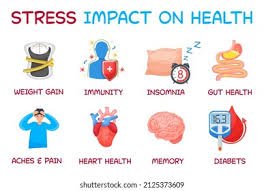
How Anxiety Impacts Women’s Weight Loss Journey
Anxiety can throw a wrench in women’s weight loss plans. It messes with eating habits, energy, and self-image. Want to know more? Keep reading!
Emotional Eating vs. Loss of Appetite
We often see two main ways anxiety affects eating habits in women trying to lose weight. On one side, we have emotional eating. This happens when stress leads us to seek comfort in food, often high-calorie snacks.
We might find ourselves reaching for chips or ice cream when feeling anxious. On the flip side, some of us experience a loss of appetite due to anxiety. Stress hormones like cortisol can suppress hunger, making it hard to eat regular meals.
These opposing effects can make weight loss tricky. For some, anxiety might lead to overeating and weight gain. For others, it could cause unintended weight loss. Both scenarios can be unhealthy and hinder our weight loss goals.
Next, let’s explore how hormonal imbalances from stress and anxiety impact our weight loss journey.
Hormonal Imbalances from Stress and Anxiety
Stress and anxiety can throw our hormones out of whack. This messes with our weight loss efforts. High stress leads to more cortisol in our bodies. Cortisol is known as the “stress hormone.” It can make us crave sugary, fatty foods.
It also tells our bodies to hold onto fat, especially around our bellies.
These hormone changes from stress do more than just affect our appetites. They can slow down our metabolism too. A slower metabolism means we burn fewer calories throughout the day.
This makes it harder to lose weight, even when we’re eating less. Our bodies are trying to protect us, but they’re working against our weight loss goals.
Stress is like a weight on your shoulders… and your waistline.
Next, let’s look at how anxiety impacts our energy levels and exercise habits…
Impact on Energy Levels and Exercise
Hormonal shifts from anxiety can zap our energy. This often makes exercise feel like a chore. We might skip workouts or struggle to finish them. Our bodies burn extra calories when we’re anxious, leaving us drained.
This fatigue can make it hard to stick to a fitness plan.
We’ve seen how anxiety impacts our drive to move. It can lead to more fidgeting and restlessness. This extra movement burns calories without us realizing it. But it’s not the same as planned exercise.
We need both rest and structured activity to lose weight in a healthy way. Finding balance is key to managing anxiety and reaching our goals.
Negative Self-Perception and Body Image
We know how tough it can be to feel good about our bodies when trying to lose weight. Negative thoughts about how we look can really mess with our progress. It’s common to feel down on ourselves, especially when the scale doesn’t budge.
But here’s the thing – our worth isn’t tied to a number. We’re so much more than that!
Our minds play tricks on us sometimes. We might see flaws others don’t notice. Or we compare ourselves to unrealistic ideals. This negative self-talk can lead to stress eating or skipping meals.
Neither helps with weight loss goals. Instead, we need to practice self-compassion. Let’s focus on how strong and capable our bodies are. Small wins matter too – like having more energy or clothes fitting better.
Building a positive body image takes time, but it’s key for long-term success.

When to Be Concerned About Anxiety-Related Weight Loss
Anxiety-related weight loss can be a red flag. We need to watch for sudden drops in weight and changes in eating habits.
Identifying Unintentional Weight Loss
We often hear about people trying to lose weight, but sometimes weight loss happens without effort. Unintentional weight loss can be a sign of health issues, so it’s crucial to spot it early.
- Sudden changes in clothing fit: Our pants might feel looser or our shirts baggier without dieting.
- Unexplained loss of 10 pounds or more: Losing 5% of body weight in 6-12 months is a red flag.
- Decreased appetite: We may notice we’re eating less or feeling full faster than usual.
- Fatigue or weakness: Unexplained tiredness could mean our bodies aren’t getting enough fuel.
- Changes in bathroom habits: Frequent trips or digestive issues might point to weight loss causes.
- Mood swings or anxiety: Mental health can affect our eating patterns and weight.
- Visible muscle loss: Our arms or legs might look thinner without trying to slim down.
- Rapid weight fluctuations: Quick drops in weight followed by gains can signal a problem.
- Hair loss or brittle nails: These can be signs of nutrient deficiencies linked to weight loss.
- Increased thirst: Drinking more water than usual might mean our bodies are struggling.
- Night sweats: Waking up drenched could be tied to unplanned weight changes.
- Difficulty concentrating: Brain fog might mean our bodies aren’t getting enough nutrients.
Recognizing Physical and Emotional Warning Signs
After spotting unintended weight changes, we need to look for other signs. Our bodies and minds often send signals when anxiety affects our weight loss journey.
- Constant worry about food or weight – We might obsess over calories or feel guilty after meals.
- Rapid heartbeat or sweating – These physical symptoms can show up even when we’re not exercising.
- Trouble sleeping – Anxiety can keep us up at night, messing with our sleep patterns.
- Mood swings – We may feel irritable or sad for no clear reason.
- Muscle tension – Our bodies might feel tight, especially in the neck and shoulders.
- Digestive issues – Stomach aches or nausea can pop up more often.
- Fatigue – We might feel tired all the time, even after resting.
- Avoiding social events – Fear of eating in public can make us skip outings.
- Perfectionist thoughts – We may set unrealistic goals for our weight or diet.
- Panic attacks – These intense episodes of fear can happen out of the blue.
- Changes in appetite – We might eat much more or much less than usual.
- Difficulty focusing – Our minds may wander, making it hard to concentrate.
- Physical restlessness – We could feel fidgety or unable to sit still.
- Negative self-talk – Our inner voice might become overly critical about our bodies.
Tips to Overcome Anxiety and Support Healthy Weight Loss
We know anxiety can mess with weight loss goals. Let’s explore some ways to tackle both issues at once – it’s a win-win! These tips will help you feel calmer and support your health journey.
Practice Stress Management Techniques
Stress can wreak havoc on our weight loss efforts. That’s why we need to tackle it head-on. Let’s start with some simple stress management techniques. Deep breathing is a great place to begin – it’s easy and free.
We can try taking slow, deep breaths for just five minutes a day. This helps calm our minds and bodies. Meditation and mindfulness are also powerful tools. Even a few minutes of quiet reflection each day can make a big difference.
Exercise is another excellent stress-buster that supports weight loss too. A brisk walk, yoga session, or dance break can lift our mood and energy. We’ve found that combining these methods works best.
The key is finding what feels good and sticking with it. Stress won’t vanish overnight, but these practices can help us feel more in control. Next, let’s look at how to build a balanced eating routine to support our goals.
Establish a Balanced Eating Routine
Now that we’ve covered stress management, let’s talk about eating habits. A balanced diet is key to weight loss and anxiety control. We suggest planning meals ahead of time or using meal delivery services.
This takes the guesswork out of daily food choices. It also helps avoid skipping meals, which can worsen anxiety.
Regular eating keeps blood sugar steady and moods stable. We recommend setting reminders to eat, even if it’s just small snacks. Whole grains, lean proteins, and lots of veggies should make up most meals.
These foods give lasting energy and help fight stress. Keeping a food diary can show patterns in eating and emotions. This info is useful for making smart food choices that support both weight loss and mental health.
Incorporate Mindfulness and Meditation
We’ve found that mindfulness and meditation can be game-changers for weight loss. These practices help calm our minds and reduce stress, which often leads to emotional eating. By focusing on the present moment, we become more aware of our eating habits and can make better food choices.
We’ve seen women who meditate regularly report feeling less anxious and more in control of their weight loss journey.
Meditation doesn’t have to be complicated. We start with just five minutes a day of deep breathing. This simple act can lower our cortisol levels – the stress hormone that often causes us to hold onto belly fat.
As we get more comfortable, we extend our sessions and add body scans or guided imagery. These techniques help us tune into our bodies’ true hunger signals and avoid mindless snacking.
Seek Professional Help if Needed
While mindfulness can help, sometimes we need extra support. That’s where mental health pros come in. They can offer tools to manage anxiety and weight loss goals. Cognitive behavioral therapy (CBT) is one option that works well for many women.
It helps change thought patterns that fuel anxiety. Other therapies like ACT and exposure therapy may also help. A doctor can suggest meds that ease anxiety without messing with appetite.
Don’t hesitate to reach out – getting help is a sign of strength, not weakness.
Build a Support System
We can’t stress enough how vital a support system is for weight loss. Our friends and family play a huge role in our success. We’ve seen firsthand how sharing goals with loved ones boosts motivation and keeps us on track.
It’s not just about having cheerleaders – though that helps! – it’s about creating a network that understands our journey.
Let’s face it, losing weight isn’t always easy. That’s why we need people in our corner. We can lean on them during tough times and celebrate wins together. Plus, opening up about our goals often leads to unexpected support.
Maybe a coworker becomes our new gym buddy, or a neighbor shares healthy recipes. The key is to surround ourselves with positive influences who lift us up and keep us moving forward.
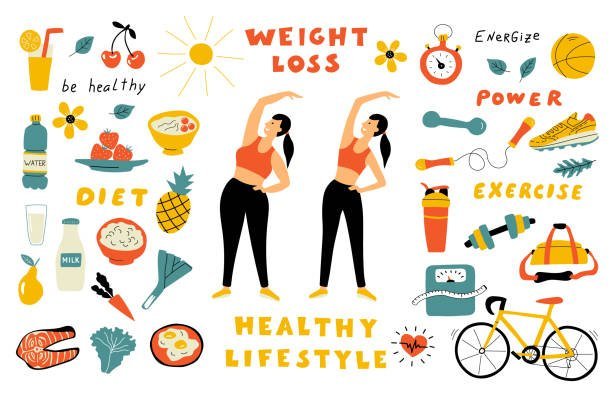
Lifestyle Changes to Maintain Weight and Manage Anxiety
Lifestyle changes can make a big difference in weight and anxiety. Regular exercise and good sleep habits help manage stress and keep pounds off.
Regular Physical Activity
Regular physical activity is a game-changer for weight loss and anxiety management. We can’t stress enough how important it is to get moving. Exercise burns calories, which helps shed pounds.
But it also boosts our mood and eases stress. A brisk walk, dance class, or bike ride can work wonders.
We’ve found that 30 minutes of moderate exercise most days is ideal. This could be a jog, swim, or even vigorous housework. The key is to pick activities we enjoy and can stick with.
As we build this habit, we’ll likely notice improved sleep and energy levels too. Let’s explore how to build a balanced eating routine next.
Prioritize Quality Sleep
We can’t stress enough how vital good sleep is for weight loss and anxiety control. Poor sleep messes with our cortisol levels, which can lead to weight gain and more stress. To get better rest, we’ve found setting a regular bedtime helps a ton.
We also dim the lights and avoid screens an hour before bed. This lets our bodies know it’s time to wind down. Comfy bedding and a cool room temp make a big difference too. When we sleep well, we feel more in control of our eating and have more energy to exercise.
Our bodies need sleep to reset and heal. Without it, we’re more likely to reach for junk food and skip workouts. We’ve seen firsthand how getting 7-9 hours of sleep each night can boost weight loss efforts.
It helps balance hormones that control hunger and fullness. Plus, it gives us the energy to tackle our day and make healthier choices. If sleep troubles persist, talking to a doctor can help.
They might suggest sleep aids or ways to improve sleep quality.
Reduce Caffeine and Alcohol Intake
After focusing on sleep, let’s talk about what we drink. Cutting back on coffee and booze can really help with anxiety and weight loss. These drinks mess with our sleep and stress levels, making it harder to relax and shed pounds.
We’ve found that swapping out that extra cup of joe or glass of wine for water or herbal tea makes a big difference. It’s not always easy, but our bodies thank us for it – less jitters, better sleep, and an easier time managing our weight.
Our tip? Start small. Maybe skip that afternoon latte or limit happy hour to once a week. We’ve seen how these little changes add up fast. Plus, we feel more in control of our choices, which is a huge win for both our minds and waistlines.
It’s amazing how much calmer and focused we feel without the constant ups and downs from caffeine and alcohol.
Conclusion
We’ve examined the impact of anxiety on women’s weight loss efforts. Stress and worry can disrupt our eating patterns and metabolism. But there’s a positive outlook! We can handle anxiety and achieve our goals using effective strategies.
Minor adjustments in diet, exercise, and mindset can make a significant difference. You’re part of a community in this journey. Seek support when you need it. As a group, we can work through anxiety and attain healthy, sustainable weight loss.