
Have you ever started a diet on Monday with the best intentions?
You cleaned out the pantry.
You downloaded the meal plan.
You promised yourself that this time would be different.
Maybe you even lost a few pounds.
Then life happened.
You went out to dinner.
You had dessert.
You missed a workout.
One “off-plan” meal turned into an entire weekend.
By Monday, you were back to restricting.
If this sounds familiar, you’re not broken.
You’re probably stuck in the yo-yo dieting cycle.
And the answer isn’t another stricter diet.
It’s learning how to eat in a way that supports your goals while still allowing you to live your life.
Let’s talk about how women can stop yo-yo dieting and build a healthier relationship with food.
What Is Yo-Yo Dieting?
Yo-yo dieting describes a repeated cycle of losing weight and regaining it.
You restrict your food.
You lose weight.
You eventually stop following the diet.
Your old habits return.
You regain some or all of the weight.
Then you start another diet.
And the cycle begins again.
This can happen for years.
You might try:
- Low-carb diets
- Juice cleanses
- Intermittent fasting
- Very low-calorie diets
- Meal replacement plans
- Detoxes
- Elimination diets
- Extreme exercise programs
The diet itself might produce short-term weight loss.
The problem is what happens when you can’t realistically maintain it.
A diet isn’t successful simply because it works for a few weeks.
It needs to fit your actual life.
Why Do Women Keep Going Back to Dieting?
One reason is that dieting often creates an appealing sense of control.
You have rules.
You know exactly what you can eat.
You know what you can’t eat.
There’s less decision-making.
For a little while, that can feel reassuring.
But rigid rules can also create an all-or-nothing mindset.
You eat something that isn’t on your plan.
You think you messed up.
Then you tell yourself you’ll “start again tomorrow.”
That mindset can turn one cookie into an entire evening of overeating.
The cookie wasn’t the problem.
The belief that you had already failed was.
The Restrict → Overeat → Regret Cycle
This is one of the biggest patterns to recognize.
Step 1: Restriction
You decide you’re going to be “really good.”
You cut calories aggressively.
You eliminate your favorite foods.
You tell yourself you’ll be perfect.
Step 2: Hunger and cravings increase
Eventually, your body and brain push back.
You’re hungry.
You’re thinking about food.
You want something sweet.
You start feeling deprived.
Step 3: You overeat
You finally give in.
Maybe you eat the foods you’ve been avoiding.
You eat more than you intended.
Step 4: Guilt kicks in
Now you feel like you’ve ruined everything.
You promise yourself you’ll be stricter tomorrow.
Step 5: Restriction starts again
And the cycle repeats.
If you’ve been doing this for years, the solution isn’t becoming better at restriction.
It’s breaking the cycle.
Stop Labeling Foods as “Good” and “Bad”
One of the simplest ways to improve your relationship with food is to stop moralizing it.
Food isn’t good or bad.
Some foods are more nutrient-dense.
Some foods provide more protein or fiber.
Some foods are higher in calories.
Some foods are simply foods you enjoy.
That’s okay.
Try replacing:
“I can’t eat that.”
With:
“I can eat that, and I’ll decide how much fits into my goals.”
That small mental shift gives you control without creating unnecessary restriction.
You Can Lose Weight Without Giving Up Your Favorite Foods
This is something I want more women to understand.
Weight loss doesn’t require eating perfectly.
You can have pizza.
You can have chocolate.
You can go to brunch.
You can have birthday cake.
You can enjoy a glass of wine.
You can eat restaurant food.
And you can still make progress.
What matters is what you do consistently, not what happens during one meal.
Instead of trying to eliminate foods you love, learn how to include them intentionally.
For example, if you’re going out for pizza Friday night, you don’t need to starve yourself all day.
Eat normally.
Prioritize protein and produce throughout the day.
Enjoy your pizza.
Then return to your normal routine afterward.
No punishment required.
Stop Trying to “Earn” Food
You don’t need to exercise because you ate dessert.
You don’t need to skip breakfast because you had a big dinner.
You don’t need to do an extra hour of cardio because you ate pizza.
Exercise isn’t a punishment for eating.
Food isn’t something you need to earn.
When exercise becomes compensation for eating, your relationship with both food and movement can become stressful.
Instead, exercise because you want to become stronger, healthier, more capable, and confident.
That’s a much more sustainable reason to train.
Learn to Eat Enough During the Day
Here’s something that happens all the time.
A woman wants to lose weight.
She eats coffee for breakfast.
Has a tiny lunch.
Maybe grabs a piece of fruit in the afternoon.
Then dinner arrives.
She’s absolutely starving.
She eats everything.
Then she thinks:
“I have no self-control.”
But look at what happened.
She spent most of the day barely eating.
Her hunger wasn’t a personal failure.
Her body was asking for energy.
Eating balanced meals throughout the day can make it much easier to manage hunger.
Try building meals around:
Protein + carbohydrates + healthy fats + fruits or vegetables.
This combination can help create satisfying meals without making food unnecessarily complicated.
Prioritize Protein
Protein deserves special attention during weight loss.
It can help you feel satisfied while supporting muscle maintenance.
Try including protein at every main meal.
For example:
Breakfast: Eggs and Greek yogurt with berries.
Lunch: Chicken wrap with vegetables.
Snack: Cottage cheese and fruit.
Dinner: Salmon, potatoes, and vegetables.
You don’t need to live on protein shakes and chicken breasts.
There are plenty of ways to make protein enjoyable.
Eat More Slowly
You don’t have to eat every meal like you’re in a race.
Slowing down can help you become more aware of your hunger and fullness.
Try putting your fork down occasionally.
Take a breath.
Actually taste your food.
Ask yourself:
“Am I still hungry, or am I eating because the food is here?”
You don’t need to stop eating the second you feel slightly full.
The goal is simply to become more aware.
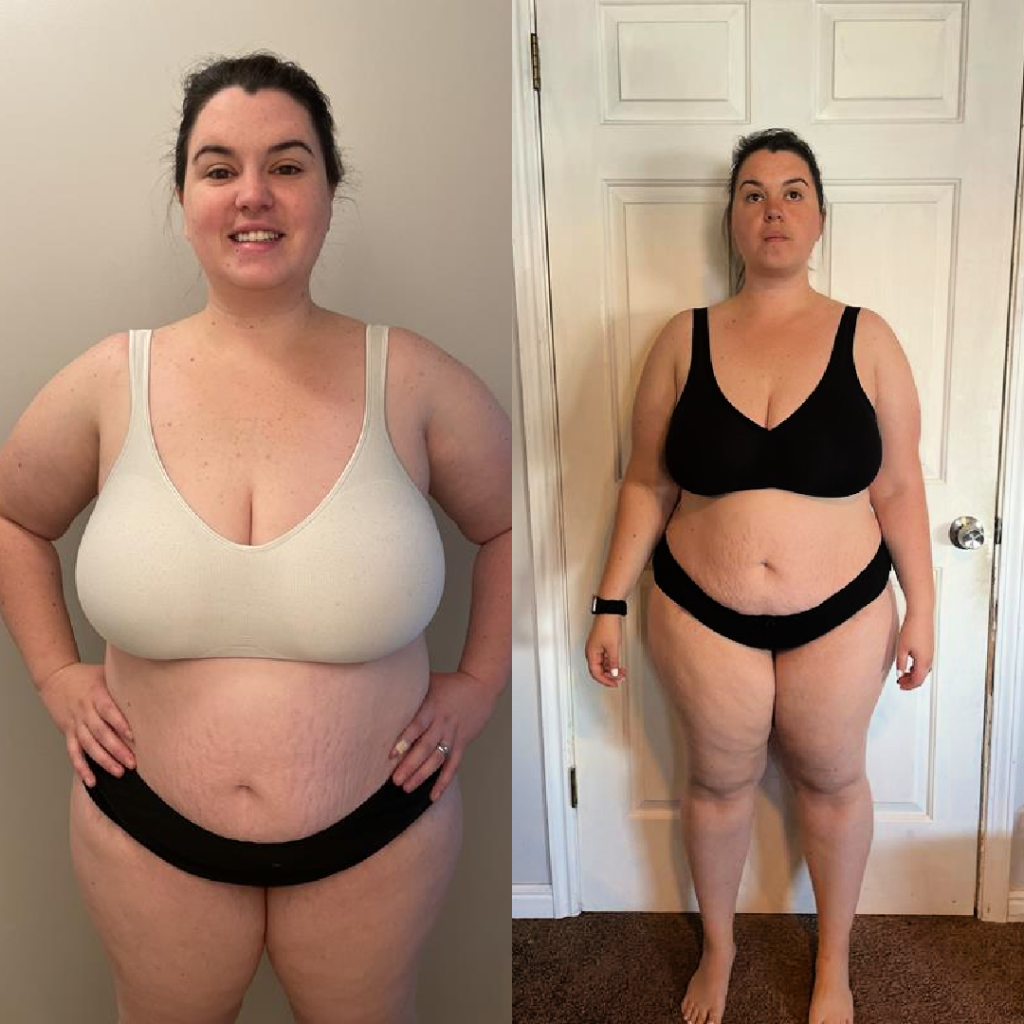
Stop Waiting Until You’re Starving
There’s a big difference between being hungry and being ravenous.
When you’re mildly hungry, you can usually make a reasonable food choice.
When you’re starving, you’re much more likely to grab whatever is quickest and most satisfying.
That’s why regular meals can be helpful.
You don’t need to eat every two hours.
You simply need to avoid consistently letting yourself become so hungry that you’re desperate for food.
Practice the 80/20 Approach
You don’t need every meal to be perfect.
A flexible approach allows most of your meals to support your health while leaving room for foods you genuinely enjoy.
Think about your overall week.
Maybe you eat nutrient-dense meals most of the time.
Then you have pizza Friday.
You go to brunch Sunday.
You have dessert at your child’s birthday party.
That’s normal life.
Healthy eating has room for real life.
Don’t Turn One Meal Into a Bad Week
This is a huge one.
You go out Saturday night.
You eat more than planned.
Instead of saying:
“Well, I already messed up.”
Say:
“That meal is over. My next meal can simply be normal.”
You don’t need to compensate.
You don’t need to fast.
You don’t need to weigh yourself repeatedly.
You don’t need to promise you’ll never eat that food again.
Just move forward.
One meal doesn’t determine your results.
Build a Healthy Relationship With Food
A healthy relationship with food doesn’t mean you’ll never overeat.
It doesn’t mean you’ll never crave something.
It doesn’t mean you’ll always choose vegetables.
It means food isn’t controlling your life.
You can enjoy food without feeling guilty.
You can eat when you’re hungry.
You can stop when you’re satisfied.
You can have dessert without deciding you’ve failed.
You can make nutritious choices without feeling restricted.
And you can change your eating habits without starting another extreme diet.
Replace Diet Rules With Personal Guidelines
Rigid rules might sound like:
“I can’t eat carbs.”
“I can’t eat after 7 PM.”
“I can’t have dessert.”
“I have to work out six days a week.”
Try creating flexible guidelines instead.
For example:
“I want protein with most meals.”
“I want to eat vegetables every day.”
“I want to walk more.”
“I want to strength train three times a week.”
“I want to enjoy restaurant meals without guilt.”
These aren’t punishments.
They’re habits that support the person you want to become.
Don’t Let the Scale Control Your Relationship With Food
The scale can be useful information.
But it’s not a report card on your worth.
Your weight can change because of:
- Water retention
- Sodium
- Carbohydrate intake
- Digestion
- Hormonal fluctuations
- Menstrual cycle changes
- Food volume
- Exercise
- Sleep
A one-pound increase doesn’t automatically mean you gained one pound of body fat.
Look at trends over time instead of reacting emotionally to every weigh-in.
What If You Still Want to Lose Weight?
You absolutely can.
Building a healthy relationship with food doesn’t mean you have to abandon your weight-loss goals.
It means changing how you pursue them.
Instead of:
“How little can I eat?”
Ask:
“How can I create a calorie deficit while still feeling satisfied?”
Instead of:
“What foods do I need to eliminate?”
Ask:
“What foods can I add to make my meals more filling?”
Instead of:
“How quickly can I lose this weight?”
Ask:
“What habits can I maintain after I reach my goal?”
Those questions lead to a completely different approach.
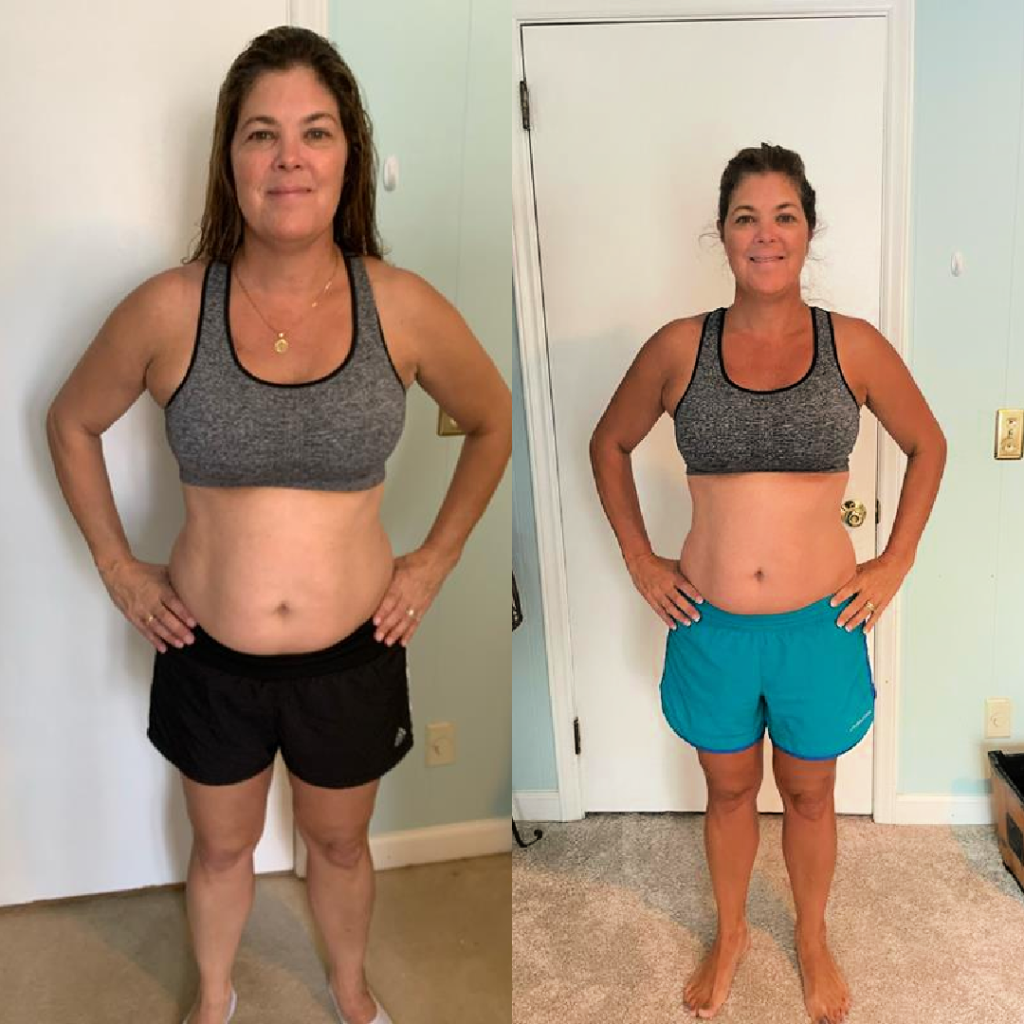
How Busy Moms Can Stop Yo-Yo Dieting
This is especially important for moms.
Your life isn’t perfectly predictable.
One day you have time to cook.
The next day you’re driving kids to activities.
One night you get a full night’s sleep.
The next night you’re exhausted.
Sometimes dinner is homemade.
Sometimes you’re eating something in the car.
That’s life.
Your nutrition plan needs to account for that.
Keep easy foods available.
Have protein options ready.
Keep simple meals in rotation.
Use leftovers.
Don’t expect yourself to cook a five-course dinner every night.
And don’t abandon your goals because one day didn’t go according to plan.
You don’t need a perfect schedule to have healthy habits.
A Simple Mindset Shift That Changes Everything
Instead of thinking:
“I’m on a diet.”
Try:
“I’m learning how to eat in a way that supports me.”
A diet has an end date.
A healthy relationship with food doesn’t.
You’re not trying to be perfect for 30 days.
You’re learning skills you’ll still use five years from now.
That’s the difference between temporarily losing weight and actually changing your lifestyle.
Frequently Asked Questions About Yo-Yo Dieting
Can you lose weight without dieting?
You can lose weight without following a rigid or restrictive diet. Weight loss still requires an overall energy deficit, but that can come from flexible eating habits.
How do I stop binge eating after restricting food?
Reducing extreme restriction, eating regular balanced meals, and removing rigid food rules may help. If you experience frequent binge eating or feel unable to control it, consider working with a qualified healthcare professional.
Is it okay to eat dessert while losing weight?
Yes. Dessert can fit into a weight-loss plan when your overall calorie intake supports your goal.
Why do I keep regaining weight after losing it?
Weight regain can happen for many reasons. Restrictive diets often rely on habits that are difficult to maintain once the diet ends.
How long does it take to develop a healthy relationship with food?
There’s no specific timeline. It’s a process that improves through repeated practice and more flexible eating habits.
Should I stop weighing myself?
Not necessarily. Some women find regular weighing useful, while others find it creates unnecessary stress. Choose an approach that provides useful information without controlling your behavior.
Final Thoughts
If you’ve spent years jumping from one diet to another, you might think your problem is that you haven’t found the right diet yet.
Maybe the real problem is the cycle itself.
Restriction.
Hunger.
Cravings.
Overeating.
Guilt.
Another diet.
You don’t need to keep starting over every Monday.
You can learn how to eat enough.
You can enjoy your favorite foods.
You can lose weight without eliminating everything you love.
You can have an imperfect day and continue anyway.
And you can build a healthy relationship with food while still working toward your goals.
The goal isn’t to become better at dieting.
The goal is to stop needing a diet every few months.
Ready to Stop Starting Over?
If you’re tired of restrictive diets and want to lose weight while still enjoying your life, my 1:1 coaching program can help you create a realistic plan around your schedule.
You’ll get personalized guidance for nutrition, workouts, accountability, and sustainable habits without having to completely overhaul your life.