Understanding Hormonal Changes and Weight Gain
Perimenopause and menopause bring significant hormonal shifts. These changes directly impact how your body stores fat and burns calories. As estrogen levels decline, your metabolism slows down.
As a result, many women notice weight gain, especially around the midsection. This happens even if their diet and activity stay the same. Therefore, what used to work before may no longer be effective.
Additionally, hormone fluctuations affect hunger and cravings. You may feel hungrier or crave more sugar. This makes staying consistent more challenging.
However, understanding these changes gives you control. When you adjust your approach, results become possible again.
Why Weight Loss Feels Harder During Perimenopause
Weight loss during perimenopause often feels frustrating. Your body responds differently to food, stress, and exercise.
First, insulin sensitivity decreases. This means your body stores more fat instead of using food for energy. Therefore, high-sugar and processed foods lead to faster weight gain.
Second, muscle mass naturally declines with age. Since muscle burns calories, losing it slows your metabolism further.
Third, cortisol levels increase due to stress. Higher cortisol promotes fat storage, especially in the belly area.
Because of these factors, extreme dieting often backfires. Instead, a smarter and more balanced approach works better.
How Menopause Changes Fat Distribution
Menopause shifts where your body stores fat. Before, fat may have been stored in the hips and thighs. However, after menopause, it moves to the abdominal area.
This change is linked to lower estrogen levels. As estrogen drops, your body stores more visceral fat. This type of fat surrounds internal organs and affects overall health.
Additionally, this belly fat feels harder to lose. Therefore, many women feel discouraged when their usual methods stop working.
However, this does not mean weight loss is impossible. It simply requires a more strategic approach.
The Role of Metabolism in Midlife Weight Gain
Metabolism naturally slows with age. However, hormonal changes accelerate this process.
You burn fewer calories at rest. As a result, even small overeating leads to weight gain over time.
In addition, reduced activity levels can make things worse. Many women move less due to fatigue or busy schedules.
Therefore, maintaining muscle and staying active becomes essential. Small daily actions can make a significant difference.
Why Traditional Diets Stop Working
Many women rely on restrictive diets. However, these diets often fail during perimenopause and menopause.
Cutting calories too low slows your metabolism even more. As a result, your body holds onto fat instead of burning it.
Additionally, restrictive diets increase stress. This raises cortisol levels and leads to emotional eating.
Instead of extreme dieting, focus on nourishing your body. Balanced nutrition supports hormones and improves results.
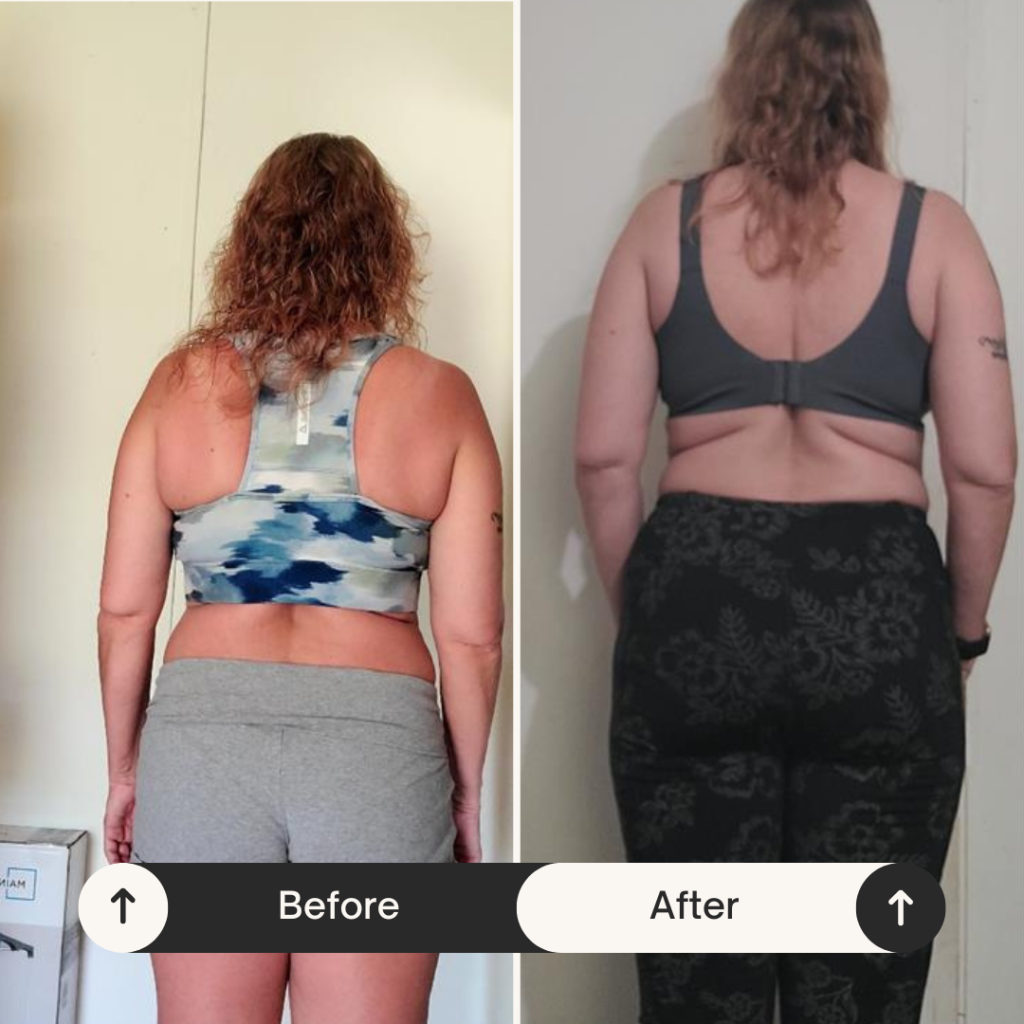
The Importance of Protein for Hormonal Weight Loss
Protein becomes even more important during this stage of life. It helps preserve muscle and supports metabolism.
Eating enough protein keeps you full longer. Therefore, you reduce cravings and overeating.
It also supports recovery after workouts. This helps you build and maintain lean muscle.
Aim to include protein in every meal. Simple options include eggs, chicken, fish, yogurt, and plant-based sources.
Consistency with protein intake can significantly improve your results.
Strength Training: The Key to Toning and Fat Loss
Strength training is essential during perimenopause and menopause. It helps counteract muscle loss and boosts metabolism.
Lifting weights or using resistance bands builds lean muscle. As a result, your body burns more calories throughout the day.
Additionally, strength training improves bone density. This becomes increasingly important as you age.
You don’t need long workouts. Short and effective sessions done consistently create results.
Therefore, focus on 2 to 3 strength workouts per week.
Managing Stress to Support Weight Loss
Stress plays a major role in weight gain. High stress increases cortisol, which promotes fat storage.
During perimenopause, stress levels often rise. This is due to hormonal changes, life demands, and sleep issues.
Therefore, managing stress becomes essential for weight loss.
Simple strategies include:
- Daily walks
- Deep breathing exercises
- Short workouts
- Prioritizing rest
Even small changes can lower cortisol levels. As a result, your body becomes more responsive to fat loss.
Sleep and Its Impact on Hormones
Sleep quality often declines during this stage. Hormonal changes can cause night sweats and disrupted sleep.
Poor sleep affects hunger hormones. You feel hungrier and crave more high-calorie foods.
Additionally, lack of sleep reduces energy. This makes workouts and daily movement harder.
Therefore, improving sleep habits is crucial.
Try to:
- Keep a consistent bedtime
- Limit screen time before bed
- Create a calming nighttime routine
Better sleep leads to better weight loss results.
Simple Nutrition Strategies That Work
You don’t need a complicated plan. Instead, focus on simple and sustainable habits.
Start with balanced meals. Include protein, healthy fats, and fiber in each meal.
Next, reduce processed foods and added sugars. These contribute to weight gain and hormone imbalance.
Also, stay hydrated throughout the day. Water supports metabolism and reduces cravings.
Finally, eat consistently. Skipping meals often leads to overeating later.
These small habits create long-term success.
Why Consistency Matters More Than Perfection
Many women aim for perfection. However, this often leads to burnout.
Instead, focus on consistency. Showing up regularly matters more than doing everything perfectly.
Missing a workout or eating off-plan is normal. However, getting back on track quickly is what drives results.
Over time, small actions add up. This creates lasting transformation.
How to Build a Sustainable Routine
Sustainability is the key to success. Your routine should fit your lifestyle, not the other way around.
Choose workouts you enjoy. Keep meals simple and repeatable.
Plan ahead when possible. This reduces decision fatigue and keeps you consistent.
Additionally, set realistic goals. Quick fixes lead to frustration, while steady progress builds confidence.
When your routine feels manageable, you are more likely to stick with it.
Why Support Makes a Difference
Trying to figure everything out alone can feel overwhelming. Many women struggle because they lack guidance and accountability.
Having support provides clarity and direction. It also keeps you consistent during challenging times.
This is especially important during hormonal changes. Your body needs a personalized approach.
With the right support, you stop guessing and start seeing results.
The Truth About Weight Loss During Menopause
Weight loss during perimenopause and menopause is possible. However, it requires a different approach.
You need to work with your body, not against it. This means focusing on strength, nutrition, and lifestyle habits.
Quick fixes and extreme diets no longer work. Instead, consistency and balance create lasting results.
When you understand your body, everything changes.
Ready to Take Back Control of Your Body?
If you feel stuck and frustrated, you are not alone. However, you don’t have to navigate this alone.
My 1:1 coaching program is designed for women going through these exact challenges. You get a simple plan, structured workouts, and daily support.
Together, we create a strategy that works with your hormones and lifestyle. So you can lose weight, feel strong, and regain your confidence.
Message me “BALANCE” to start your journey today.