Trying to lose weight with polycystic ovary syndrome (PCOS) can feel like an uphill battle for us moms. We work hard at eating healthy and staying active, but the scale hardly moves.
Worries about insulin resistance, stubborn body fat, or a higher risk of type 2 diabetes are always in the back of our minds. It’s easy to feel stuck, frustrated, or all alone on this journey.
These struggles are real and common among women dealing with PCOS. Many find it harder than most people to lose weight because of hormone imbalances and how their bodies handle insulin.
Studies show that up to 10% of women our age face both PCOS and obesity—a double challenge for weight management. After years of research and talking with experts, we have learned what can really help those living with this condition.
In this post, we will talk about why losing weight is tougher with PCOS and share steps that actually help. You’ll find clear advice on balanced diets, exercise routines for better metabolism, ways to manage stress, information on medicines like metformin that affect blood sugar if needed, plus helpful supplements.
Want simple tips that actually make sense? Keep reading!
The Challenges of Losing Weight with PCOS
Losing weight with PCOS can be tough. Our hormonal imbalances and insulin resistance make it hard to shed pounds. A slower metabolism adds to the struggle as well. These factors can create a cycle of frustration…
but we are not alone in this fight!
Hormonal imbalances
Hormonal imbalance makes weight loss with polycystic ovarian syndrome (PCOS) tough for us moms. Our bodies often make more androgens, or “male” hormones, than usual. This condition is called hyperandrogenism.
Higher androgen levels cause symptoms such as excess hair growth, acne, irregular menstrual cycles, and stubborn belly fat. Fat tissue also increases these hormone problems by making estrogen.
This creates a cycle that keeps our bodies from losing weight the way we want.
Spironolactone can reduce some hyperandrogenic symptoms like unwanted hair and acne in women dealing with polycystic ovaries. We also see changes in sex hormone-binding globulin levels during PCOS; this impacts how hormones work throughout the body.
All these shifts affect how our bodies store fat and use energy each day.
Hormonal imbalance isn’t just a women’s health issue—it affects our mood, metabolism, energy, and even our ability to lose weight, says Dr. Andrea Dunaif, an expert on endocrine disorder research at Northwestern University.
These issues are why healthy eating habits and regular physical activity matter so much when aiming for better metabolic health with PCOS.
Insulin resistance
Insulin resistance is common with PCOS. Our bodies do not respond to insulin as well as they should, so the pancreas must make more. Extra insulin can push our ovaries to make more male hormones, which causes trouble for weight loss and can lead to higher body fat, especially around the belly.
This also raises our risk for type 2 diabetes, metabolic syndrome, heart disease, and high blood pressure.
Eating a healthy diet filled with fiber helps manage this problem. Regular physical activity improves insulin sensitivity too. Medical treatments like metformin support better blood sugar control and often help with weight loss in women dealing with PCOS.
Myo-inositol has been shown in systematic reviews and randomized controlled trials to improve insulin response and metabolic health as well. Taking care of our mental health matters here since stress can make insulin resistance worse over time—so managing stress is key for successful weight management programs related to polycystic ovarian syndrome or polycystic ovarian disease.
Slower metabolism
Slower metabolism is a real issue for women with PCOS. Our bodies burn fewer calories at rest compared to others. This makes weight loss with PCOS much harder, even if we eat the same foods and do the same workouts as friends without this endocrine disorder.
Obesity treatment often takes longer for us because of this slow-down in our calorie burn.
We can fight back with strength training exercises. Adding more lean muscle mass boosts metabolic rate, helping us use more energy throughout the day. High-fiber diets also work well for better metabolic health.
Focusing on regular physical activity, good fiber intake, and avoiding fad diets may help push past that stubborn plateau linked to slower metabolism.
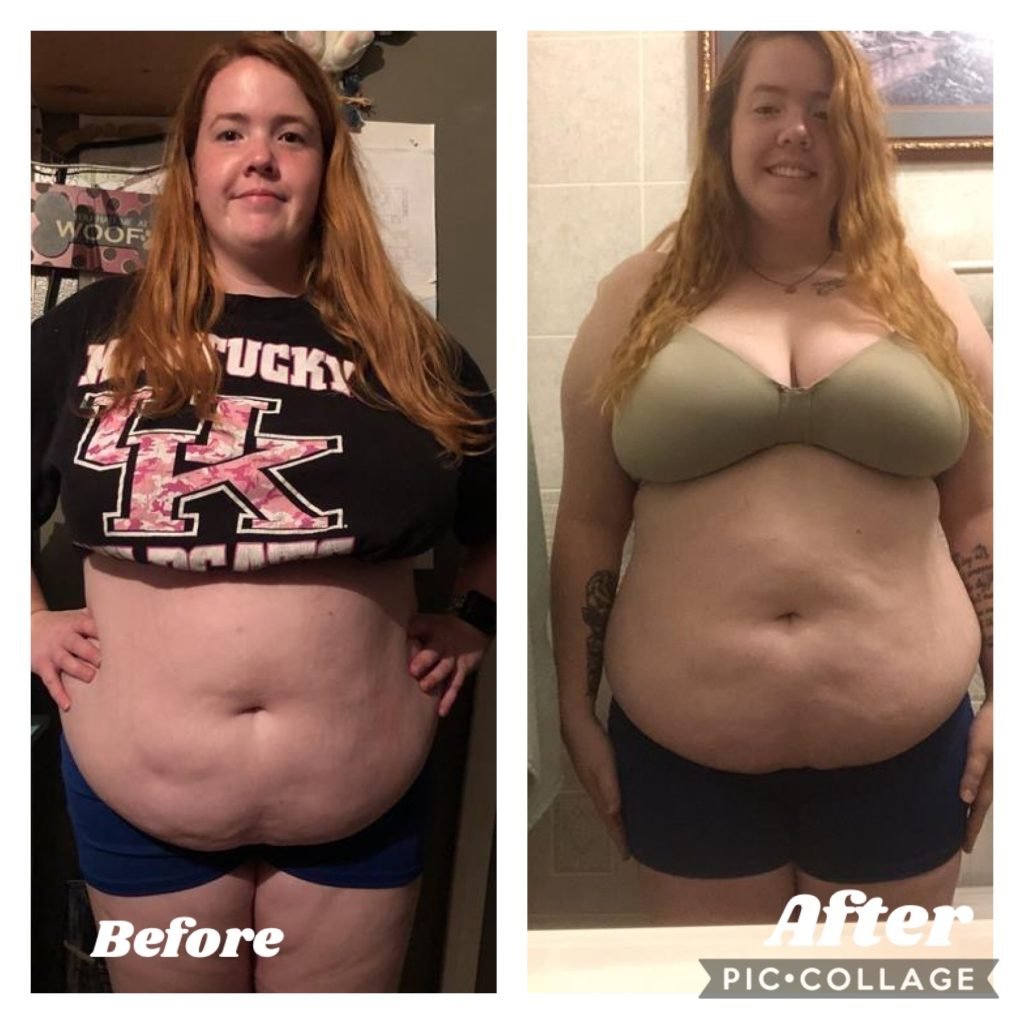
Effective Lifestyle Changes for Weight Loss
We need to focus on a few key lifestyle changes for weight loss. A balanced diet and regular exercise are our best friends in this journey.
Importance of a balanced diet
Eating a well balanced diet helps us manage insulin resistance, one of the biggest hurdles with PCOS. We focus on getting at least 25 grams of fiber every day and keeping sugar under 25 grams.
This supports healthy blood sugar levels and keeps hunger in check.
A good balance of protein, carbs, and fats matters for our weight loss with PCOS. Aiming for 20 to 30 grams of protein at breakfast makes us feel full longer and prevents those mid-morning snack attacks.
Fiber from whole grains, vegetables, and legumes keeps things moving in our digestive system while helping us avoid quick spikes in blood sugar that can lead to more cravings.
Small changes add up—choosing higher fiber foods over white bread or sugary snacks makes a real difference.
We have noticed improved energy when we eat this way. Managing nutrients like this helps prevent nutritional deficiencies and lowers risk for type 2 diabetes and cardiovascular disease that so often come with an endocrine disorder like PCOS.
Regular exercise routines
Losing weight, especially with a condition like PCOS, can be a challenging task. Regular physical activity can enhance insulin sensitivity, stimulate ovulation, and bolster ovarian function.
- Initiate with moderate-intensity activities such as walking or cycling. These exercises can enable our bodies to respond positively without inducing a sense of overwhelm. They are suitable for the ones starting or for the times when energy levels are low.
- Include strength training in your regimen twice a week. Engaging in weight lifting or using resistance bands can enhance muscle mass, thereby burning more calories while we are at rest.
- Opt for yoga or Pilates to alleviate stress levels. Given that stress significantly contributes to weight gain for us, engaging in calming activities proves beneficial.
- Incorporate physical activity into your day-to-day routine. Strive to engage in at least 30 minutes of exercise most days of a week. A blend of different types of workouts can maintain the element of fun and interest.
- Establish specific objectives which are attainable and quantifiable. Instead of focusing solely on weight loss, strive to augment the number of steps taken daily or the weight lifted during exercises.
- Monitor progress via a journal or an app. Spotting improvements in strength, endurance, or clothing fit can fuel our motivation to persevere.
Through our experience, it’s clear that regular physical activity aids in managing PCOS symptoms and also elevating health and emotional wellness. Implementing these shifts as a community can provide encouragement and motivation when any of us starts to feel stagnant.
Managing stress levels
After we set up a good exercise routine, we need to tackle stress. High stress makes PCOS symptoms worse for many of us. Cortisol, our body’s main “stress hormone,” can mess with insulin resistance and metabolic health.
This leads to more weight gain, especially around the belly—sometimes called visceral adiposity. It also makes it harder for us to ovulate and affects our reproductive health.
We see real changes when we use simple relaxation techniques every day: taking deep breaths before meals, enjoying a walk outside with our kids, or listening to calming music before bed helps lower cortisol levels.
Ashwagandha is one option some moms try since research shows it may help reduce stress-related weight gain in women with this endocrine disorder. Managing stress directly improves quality of life and supports healthy choices like reducing emotional eating—a big win for anyone facing chronic disease like PCOS or prediabetes.
Best Dietary Approaches for PCOS
Eating right can help us manage PCOS better. A low glycemic index diet is often a good choice. High-fiber foods also support our health and keep us full longer. We should limit sugary snacks and drinks, too.
These changes make a big difference… Want to learn more about what to eat?
Low glycemic index diets
Low glycemic index diets slow down how fast blood sugar rises after we eat. That means these foods help us manage insulin resistance, which is a big problem with weight loss in PCOS.
Foods like whole grains, beans, lentils, and most fruits have a low glycemic index. We can swap white bread for brown rice or oats, and pick apples instead of sugary snacks.
Choosing low glycemic meals helps our bodies feel full longer and keeps cravings under control. This way, we avoid big swings in blood sugar that make us tired or hungry later on. Studies show that women with PCOS who follow these plans often see better results with losing weight than those eating higher-glycemic foods.
We focus on steady energy throughout the day so we can tackle work, care for our families and still take care of ourselves too—without worrying about crashes from high-sugar foods.
High-fiber food options
Whole grains, nuts, beans, seeds, and fresh veggies pack a punch for fiber intake. We aim for at least 25 grams of fiber each day to help manage insulin resistance and support weight loss with PCOS.
Fiber keeps us full longer. This can curb cravings that often come from hormonal imbalance.
Oats make an easy breakfast or snack option. Lentils or black-eyed peas go well in salads and soups. Leafy greens like spinach pair nicely with lean protein at dinner time. Berries are sweet but also give us extra fiber without spiking blood sugar—a perfect swap for higher-carb treats if we want to lower our risk of type 2 diabetes or cardiovascular disease.
Eating more high-fiber foods may improve metabolic health while supporting our reproductive health goals.
Choosing options rich in dietary fiber helps keep cholesterol down and aids digestion too. We see better results when we combine these smart choices with regular physical activity and stress management—giving our bodies the best chance to reach a healthy body mass index even in the face of endocrine disorder challenges like PCOS.
Foods to avoid or limit
Transitioning from high-fiber food options, we find it’s critical to discuss foods we need to limit or avoid. This leg of our journey is centered around making health-orientated choices.
- Processed foods are significant negatives; they’re frequently loaded with added sugars and unhealthy fats. We’ve observed how these can interfere with our insulin sensitivity.
- Sugary snacks and beverages should be on our moderation list. Sticking to less than 25g of sugar a day, as suggested, aids in managing PCOS symptoms.
- Fast food is appealing, but it’s commonly calorie-dense and nutritionally deficient, making weight loss more challenging for us.
- White bread and pasta made from refined flour can cause quick rises in blood sugar levels, which aren’t beneficial for insulin resistance.
- Red meat and processed meats like sausages or bacon in some instances, due to their fat content, can exacerbate PCOS symptoms.
- Full-fat dairy products have shown varied results on PCOS, but moderating them might aid in weight management.
- Fried foods contribute to weight gain and also have negative effects on heart health, something crucial for us to consider given the increased risk of cardiovascular disease with PCOS.
- Alcohol consumption can disturb hormonal balance and add empty calories, so reducing it is a prudent choice.
From personal observations, upholding these restrictions as much as possible has positively impacted physical health as well as mental wellness. It centers around discovering equilibrium and making decisions that assist our journey in improving health with PCOS.

Exercise Strategies for Women with PCOS
Exercise is key for women with PCOS. Strength training helps build muscle and boosts metabolism. We can also benefit from regular cardio workouts to improve our heart health. Staying consistent is crucial—set a schedule that works for us, and stick to it! Finding activities we enjoy makes it easier to keep moving…
Let’s make exercise part of our daily lives!
Strength training workouts
Strength training is key for us moms trying to lose weight with PCOS. Lifting weights helps boost our metabolic rate. It also builds lean muscle mass, which burns more calories even at rest.
We can include strength workouts two to three times a week. Simple exercises like squats, lunges, and push-ups are great starting points. We should focus on proper form over heavy weights—that way we reduce the risk of injury while getting stronger.
\> “Building strength leads to better health and improved quality of life.
Cardiovascular exercises
Cardiovascular exercises are essential for weight loss, particularly for women with PCOS. Activities like walking, cycling, or dancing get our hearts pumping and burn calories. These moderate-intensity workouts help us manage insulin resistance.
They also support our metabolic health.
Regular cardio can improve health and reduce the risk of type 2 diabetes and cardiovascular disease. We should aim for at least 150 minutes of moderate exercise each week. Finding something we enjoy makes it easier to maintain a routine.
Consistency is key; let’s keep moving!
Incorporating consistency in routine
Sticking to a routine helps us lose weight and manage PCOS. We need to exercise regularly, even if it’s just a brisk walk every day. Consistency keeps our metabolism active. It also helps fight insulin resistance, which is common with PCOS.
Eating balanced meals at the same times each day sets our bodies up for success. Choosing high-fiber foods can help control hunger and support metabolic health. Making these small changes daily can lead to big results over time.
Let’s commit together; consistency is key!
The Role of Medications in PCOS Weight Management
Medications can help with weight loss in women who have PCOS. Some drugs improve how our bodies handle insulin, while others are made to aid in losing weight effectively.
Medications for insulin sensitivity
We can use medications to improve insulin sensitivity. Metformin is a popular choice for many of us with PCOS. It helps our bodies respond better to insulin and can aid in weight loss.
Studies show that metformin can lower blood sugar levels and help maintain a healthy weight.
Inositol is another option to consider. This supplement also improves insulin resistance, which benefits our metabolic health. Many women find that taking myo-inositol or d-chiro-inositol supports their overall wellness and helps manage symptoms of PCOS, including difficulty losing weight.
Weight loss-specific medications
Some medications can assist with weight loss for women dealing with PCOS. Orlistat, liraglutide, and exenatide are common options. These drugs work by changing how our bodies manage food and fat.
They may improve insulin sensitivity too, which is important for managing PCOS.
Research shows that these medications aid in weight loss and also enhance fertility outcomes. As we work to lose weight, these tools can support us on our journey. Always consult a healthcare provider before starting any medication to ensure it’s suitable for us.
Supplements That May Support Weight Loss
Some supplements can assist us with weight loss while managing PCOS. Myo-inositol and d-chiro-inositol might enhance insulin sensitivity. Omega-3 fatty acids are beneficial for our heart, too. Vitamin D and magnesium support general health, which can also contribute to losing weight.
Myo-inositol and d-chiro-inositol
Myo-inositol and d-chiro-inositol are two important supplements for women with PCOS. They can improve insulin resistance and boost metabolic health. We have seen how these compounds help regulate hormones that affect weight.
Myo-inositol works well for ovarian function, while d-chiro-inositol supports the body’s response to insulin.
Using these supplements may ease some challenges of losing weight with PCOS. They can lower blood sugar levels and reduce cravings, making it easier to stick to a healthy diet. Many moms have noticed improvements in their energy levels too!
Omega-3 fatty acids
Next, we concentrate on omega-3 fatty acids. These healthy fats can assist us with our metabolism and overall health. They may enhance insulin sensitivity, which is crucial for those of us dealing with PCOS and weight loss.
We should consume foods rich in omega-3s like fish, walnuts, and flaxseeds. Including these in our diet might make a significant difference in how we manage weight. Additionally, they support heart health too!
Vitamin D and magnesium
The benefits of vitamin D and magnesium are significant. Both help our bodies manage weight effectively. Vitamin D contributes to overall health, supporting our immune system and mood as well.
Low levels may connect to insulin resistance, which is common in women with PCOS.
Magnesium supports hormone balance, making it essential for us as moms managing PCOS. This mineral can assist with weight loss by enhancing metabolic health. We should prioritize obtaining enough from foods like leafy greens, nuts, and seeds or consider supplements if necessary.
Balancing these nutrients can positively impact our journey toward effective weight loss with PCOS.

Importance of Sleep and Stress Management
Getting enough sleep and managing stress are key for our health. Poor sleep can make weight loss harder. Stress can lead to unhealthy eating habits too. We need good rest and ways to relax.
This helps us feel better both mentally and physically… Want to know more about how these factors impact weight loss with PCOS?
Improving sleep quality
Poor sleep worsens PCOS symptoms. It can make weight loss harder for us. To improve our sleep quality, we should focus on good sleep habits. Going to bed and waking up at the same time helps regulate our body clock.
Creating a calm sleeping environment is key too; dim lights and cool rooms can work wonders.
Managing stress also boosts our chances of better sleep. Techniques like deep breathing or gentle yoga before bedtime can help calm our minds. It’s important to avoid screens an hour before bed since blue light affects melatonin production, which we need for restful sleep.
By prioritizing these changes, we may find it easier to handle PCOS while working toward our weight loss goals.
Stress reduction techniques
Improving sleep quality is key to our health. Better sleep can help reduce stress. Stress management is crucial for those of us with PCOS.
- Mindfulness meditation helps calm our minds. Focusing on the present reduces anxiety and promotes relaxation.
- Deep breathing exercises lower our heart rate and increase relaxation. Taking deep, slow breaths for a few minutes can ease stress quickly.
- Exercise boosts mood and lowers stress levels. Whether it’s yoga, jogging, or dancing, moving our bodies releases endorphins that make us feel good.
- Journaling allows us to express our thoughts and feelings. Writing down worries can clear our minds and reduce pressure.
- Connecting with friends provides support and comfort. Sharing experiences helps us feel less alone in our weight loss journey.
- Spending time in nature brings peace to busy lives. A simple walk outside can lift our spirits and refresh our minds.
- Practicing gratitude shifts focus from stressors to positive aspects of life. Listing three things we are thankful for each day can improve mental health.
- Limiting screen time before bed enhances sleep quality. Reducing exposure to screens helps us relax and fall asleep faster.
- Guided imagery transports us to a peaceful place in our minds, easing tension and promoting calmness during stressful times.
Using these techniques may help us manage stress related to hormonal imbalances from PCOS while supporting weight loss goals effectively!
Monitoring Progress and Staying Motivated
Tracking our weight loss journey is key to staying on track. Setting small, realistic goals keeps us motivated. We can use apps or journals to see how far we’ve come. Celebrating each win, big or small, helps too! Don’t forget to remind ourselves that this is a process…
and it takes time. Want to learn more about keeping the momentum going? Stick around for more tips!
Setting realistic goals
Setting realistic goals helps us stay motivated. We need to ensure our weight loss targets are achievable. If we aim too high, we may feel discouraged and give up. Research shows that many people drop out of weight loss programs because their goals were not realistic—63.4% in recent studies.
We can start by focusing on small changes. Losing 1 to 2 pounds a week is a healthy target for most women with PCOS. This approach feels manageable and allows us to celebrate each step forward.
Tracking our progress keeps us engaged and boosts our confidence along the way, which is essential for lasting success in managing insulin resistance and improving quality of life.
Tracking progress effectively
Tracking progress keeps us motivated. We can write down our goals and check them off as we achieve them. This makes everything feel more real. It helps us see how far we’ve come on our weight loss journey with PCOS.
We might want to weigh ourselves at the same time each week. Keeping a food diary can help, too. By noting what we eat and our exercise routines, we spot patterns or changes that affect our weight and health.
Monitoring also shows us improvements in areas like energy levels and mood, not just pounds lost. This way, we celebrate all wins—big or small! Let’s now explore effective lifestyle changes for weight loss that make a difference for moms like us.
Conclusion
Women with PCOS can achieve successful weight loss. We need to focus on healthy habits that fit our lives. Eating a balanced diet and staying active are key steps forward. Collaborating with healthcare professionals helps us stay on track.
Small changes lead to big progress, improving our health and quality of life along the way.