
Meal planning can feel overwhelming for many of us, especially as busy moms. We juggle grocery shopping, cooking healthy meals, and trying to make good choices for our families. It gets stressful fast—meal prep is tiring, last-minute trips to the store wear us out, and sometimes it’s easier to grab frozen meals or fast food.
Finding a healthy diet that fits all our needs takes time and patience. Many studies show that using a weekly menu planner helps lower stress around mealtimes while making it easier to eat better foods.
That’s why we took time to research weight loss meal plans made just for women like us.
Here, you’ll find ready-to-use meal plan templates—with weekly planners that have space for breakfast, lunch, and dinner; monthly overviews; digital tools you can use on your tablet or phone; plus printable layouts perfect for hanging on the fridge! Whether you need low-carb options or special diets like plant-based or gluten-free—we have something simple to help you plan every week.
Small changes add up quickly… Keep reading if you want less stress at mealtime and more wins in your weight loss journey!
Benefits of Using Ready-to-Use Meal Plans for Weight Loss
Using ready-to-use meal plans helps us save time and cut stress. These plans make it easier to eat healthy foods and stick to our weight loss goals.
Saves Time and Reduces Stress
Meal planner templates save us from guessing what to cook each day. We can map out breakfast, lunches, snacks, and dinners for a whole month at once. This means fewer last-minute trips to the supermarket and less stress over meals after a long day with kids.
With a plan in place, we avoid impulsive purchases that rack up grocery bills or lead to food waste. Anecdotal evidence shows meal planning helps families spend less money and cut down on wasted healthy food like vegetables or salad vegetables.
Keeping everything organized—shopping list in hand or stored digitally on ms excel—gives us more time for workouts like HIIT or lifting weights instead of worrying about tonight’s menu.
Promotes Healthy Eating Habits
Sticking to a meal plan helps us eat healthier food each day. Instead of reaching for fast food or snacks, we fill our menus with salad vegetables, muesli, yogurt, whole grains like porridge, and recipes using tofu or edamame.
We avoid last-minute choices that lead to takeout burgers or sugary treats. With clear plans for ontbijt and dinner, we stay on track with balanced meals packed with protein and fiber.
Having set portions and a grocery list cuts down on food waste too. We can see which foods belong in each meal—like pancakes for breakfast or eggplant slaw as an easy side dish—and shop only for what we need.
As a group aiming to lose weight and improve our physical well-being, this structure builds discipline into daily eating habits while supporting emotional health through goal setting in a food diary.
Next up is how these meal plans support consistent weight loss every week….
Supports Consistent Weight Loss
Ready-to-use meal plans help us stay on track with our goals. Each day lays out clear food choices and portion sizes, so we do not have to guess or stress about what to eat next. We can use ClickUp templates to track our weight loss progress, body weight changes, healthy habits, and milestones week by week.
These tools help us build better routines around eating healthy foods like salad vegetables and yogurt.
Weekly planners let us stick with balanced meals instead of skipping or overeating later in the day. Using structured 2-week diets and calorie tracking sheets reduces food waste since every item serves a purpose in the plan.
Seeing steady results keeps us motivated for the long run; using digital planners or printable templates from places like amazon.com makes it even easier to stay organized. Let’s go over how these simple systems also make meal prep faster….
Simplifies Meal Preparation
Sticking to a plan is key, and it also makes meal prep much easier. Meal plans act like a roadmap for our week—no more guessing what’s for dinner or scrambling at the last minute.
We cut stress by planning meals that use similar salad vegetables or batch-cooked proteins. For example, we might double a slow-cooker recipe and freeze half for busy nights. This habit helps reduce food waste too.
“We save time when we prepare extra portions and freeze them for later.”
Grocery list templates make shopping quick. We just check off what we need; less wandering means fewer temptations in the store, helping us stick to healthier eating habits. Using tools like digital fitness trackers and printable planners keeps us organized with minimal effort—perfect for busy moms aiming for weight loss goals without spending hours in the kitchen.
Weekly Weight Loss Meal Plans
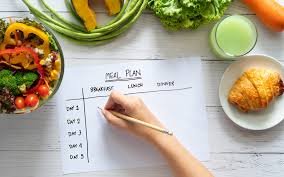
Weekly weight loss meal plans make eating healthy easy and fun. They help us stay on track while enjoying tasty meals. Whether you want a balance of nutrients, fewer carbs, or more protein, each plan fits unique needs.
Plus, they save us time in the kitchen… Want to explore these quick and simple options?
7-Day Balanced Meal Plan
Understanding the challenges mothers face when seeking time for themselves, particularly in their weight loss journey, we’re excited to share a 7-day balanced meal plan that promotes time efficiency and healthy eating habits.
- Begin your Monday with oatmeal combined with fresh berries and a serving of yoghurt. Relish a salad filled with diverse vegetables and topped with grilled chicken for lunch. Dinner will be baked salmon coupled with steamed broccoli and quinoa.
- Tuesday gets underway with a breakfast of scrambled eggs, spinach, and whole-grain toast. For lunch, indulge in a turkey and avocado wrap, and dinner is a lean beef stir-fry with bell peppers served over brown rice.
- Wednesday kicks off with Greek yoghurt complemented by honey and almonds. For lunch, consider a quinoa salad loaded with cucumbers, tomatoes, and feta cheese. Finish off with dinner featuring grilled chicken breast served alongside sweet potatoes and green beans.
- Thursday’s breakfast is a nourishing blend of bananas, spinach, almond milk, and protein powder in a smoothie, specially made for busy mornings. Lunch comprises a chickpea salad filled with leafy greens and diverse veggies, while dinner invites you to savor turkey meatballs over spaghetti squash pasta.
- Friday introduces you to enticing breakfast egg muffins packed with veggies of your choice. For lunch, enjoy a flavorful tuna salad sandwich on whole grain bread, sans guilt! Dinner is zucchini noodles mixed in pesto sauce served with grilled shrimp.
- Saturday mornings bring along delightful cottage cheese mixed fruit bowls, which can be prepped the night before as well. Opt for roasted vegetable wraps for lunch and for dinner, relish pork chops served with apple sauce and roasted Brussels sprouts.
- Sunday wraps up the week on a soothing note, start with a breakfast of whole-grain pancakes topped with fresh fruit slices. Lunch is a creative blend of grilled vegetable kabobs with peach slices wrapped in prosciutto. Gather around the dinner table to relish baked cod and garlic parmesan risotto. Keep in mind to be conscious of your water consumption for constant hydration while following this plan.
We also include a hydration tracker in our weekly planners, a critical aspect for anyone pursuing a diet or trying to adhere to healthy lifestyle habits. Our templates are adaptable for your specific dietary needs and restrictions, simplifying any alterations such as ingredient substitutions. We’re confident that our structured meal planning tools will substantially minimize food waste since every item purchased serves a clear role in your diet. So, utilize our complimentary templates and join us in this shared journey. Here’s to mothers striving to shed those extra pounds without feeling overwhelmed in the process.
Low-Carb Weekly Meal Plan
We all want to lose weight without spending hours planning meals. That’s where our low-carb weekly meal plan steps in, saving you time and making it easier to stick to your goals. Here’s a simple guide:
- Start Monday with scrambled eggs and spinach. It’s a power breakfast that keeps carbs low and energy high.
- For Tuesday lunch, try chicken salad with lots of leafy greens. Salad vegetables reduce food waste because you can use almost any kind.
- Make Wednesday exciting with zucchini noodles and meatballs for dinner. This swaps regular pasta for a veggie option, cutting carbs without losing flavor.
- Thursday calls for a simple yet satisfying breakfast of Greek yogurt and a handful of nuts. It’s quick, filling, and low in carbs.
- Snack on cheese slices and cucumber on Friday to keep hunger at bay without adding too many carbs.
- Enjoy fish tacos with lettuce wraps instead of tortillas on Saturday night—a fun way to enjoy weekend food without guilt.
- Sunday dinners are perfect for roast beef and steamed broccoli, keeping it low-carb but delicious.
Our meal plan includes calorie tracking sheets for those who want more detail about their diet.
Next up, let’s discuss how integrating monthly planners can further simplify your meal planning journey.
High-Protein Weekly Meal Plan
We know the struggle of losing weight. A high-protein weekly meal plan can make it easier.
- Start every day with eggs and vegetables like spinach or tomatoes for breakfast. This combo keeps you full and adds salad vegetables to your diet.
- Snack on Greek yogurt or a handful of almonds mid-morning. Protein snacks help reduce hunger pangs.
- For lunch, grill chicken breast alongside quinoa and broccoli. It’s a powerful mix of protein and essential nutrients.
- Enjoy an afternoon snack of cottage cheese with pineapple or berries. This helps keep your metabolism up.
- Dinner could be baked salmon with asparagus, offering omega-3 fats plus more protein.
- Swap out one meal for a paleo option once a week, like a beef vegetable stir-fry, to add variety without losing focus on protein.
- Use digital meal planners compatible with GoodNotes and Notability for organizing meals and tracking what you eat each week.
- Plan one meat-free dinner, like lentil soup, to explore different protein sources and reduce food waste.
- Incorporate a high-protein smoothie with whey powder, banana, and almond milk as an extra meal if you’re exercising heavily that day.
We’ve tried this approach ourselves; mixing digital planning tools with solid dietary choices makes sticking to the plan much simpler. Plus, preparing grocery lists based on these plans cuts down shopping time and helps us avoid buying what we don’t need. It’s all about making weight loss manageable while still eating delicious, nutritious food.
Monthly Weight Loss Meal Planner Templates
Monthly weight loss meal planner templates make planning meals easy. These tools help us see our meals at a glance and keep track of what we eat over the month. They can include grocery lists, too! This way, we buy only what we need, cutting down on food waste.
With just a bit of prep, we can stay on top of our goals while enjoying delicious foods… and staying within budget!
Monthly Overview Template
We understand the balancing act of being a mom while trying to maintain healthy eating habits. That’s why we appreciate the function of monthly meal planners. They decrease the pressure by providing a detailed plan for the full month. Here’s how our monthly review template can aid, particularly for moms wishing to lose weight.
- It provides an overview of your meals, simplifying the process of ensuring nutritional balance over several weeks.
- The template is available as a high-resolution, watermark-free PDF. You can print it at home.
- Meal preparation and grocery list features make organizing your purchases straightforward, reducing food waste.
- A layout for the entire month permits variation in meal types like low-carb and high-protein days, adhering to your fitness aspirations.
- Comprehensive sections for monitoring water consumption and physical activities are included, centralizing your health objectives.
- There’s an area specifically for noting down salad vegetables and fruits you intend to incorporate more into your diet, easing dietary restrictions.
- Our template offers advice on serving sizes fit particularly for women aiming to lose weight, simplifying the meal planning process.
- Each week contains a notes area where adjustments, feelings about your current diet, or health improvements can be recorded.
Using this template makes the task of healthy eating more manageable. You’ll spend less time on planning and more on appreciating food, eliminating the worry about future meal choices. Moreover, direct integration of grocery lists with your meal plan ensures you purchase only what’s needed, minimizing unnecessary shopping and keeping your diet well-aligned.
Meal Prep and Grocery List Integration
We all aim to save time while improving our diet, in particular during the pursuit of weight loss. By fusing meal preparation with grocery list creation, we can simplify this process and contribute to reducing food waste.
Here is how we accomplish it:
- Initiate with a weekly meal planner. We select straightforward recipes for breakfast, lunch, dinner, and snacks. This maintains our commitment to eating healthily each day.
- Assemble a grocery list from the meal plan. We itemize everything required for the week’s meals, which includes lots of leafy greens to keep meals refreshing and nutritious.
- Arrange the grocery list by categories like fruits, vegetables, proteins, and dairy. This strategy accelerates shopping and aids in refraining from buying unnecessary items.
- Utilize templates to streamline planning. Our no-cost 6-page templates consist of a Weekly Meal Planner and Grocery List among others. They are composed for both digital utilization and printing.
- Review our pantry inventory prior to shopping. This action avoids purchasing duplicate items we already possess at home.
- Include a water tracker in our plan. Staying well-hydrated is pivotal for weight loss, letting us monitor our water intake along with our meals.
- Modify the grocery list as we proceed through the week, considering actual needs as opposed to the planned ones.
This technique aids our weight loss objectives while also eliminating unnecessary buying, leading to a substantial reduction in food waste.
Special Diet Meal Plans for Women
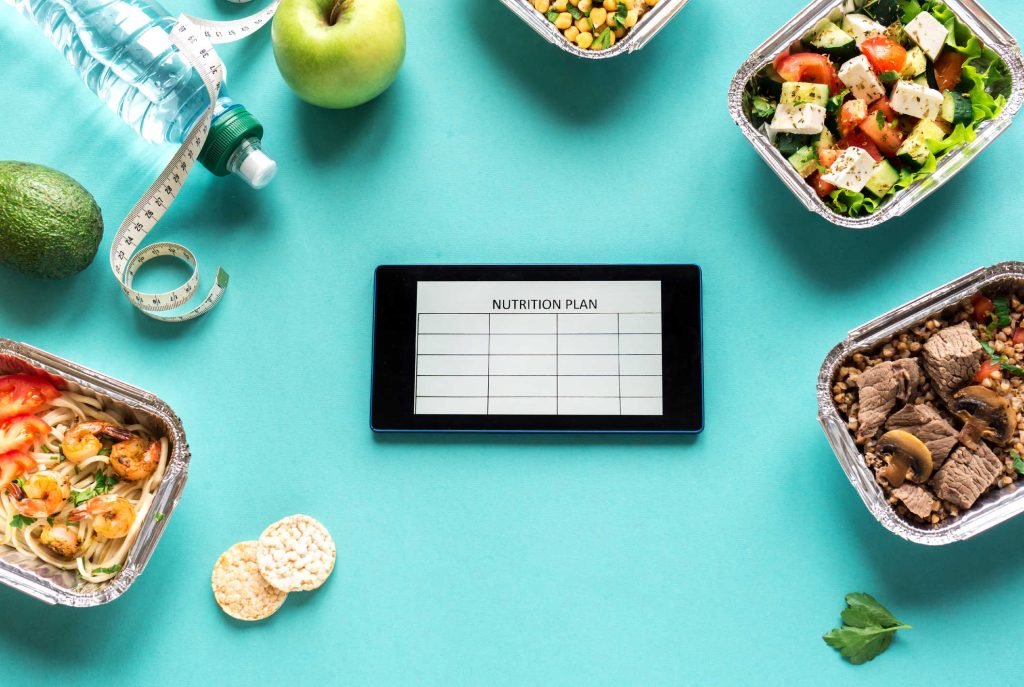
Special diet meal plans can make a big difference for women on their weight loss journey. We have options like keto, vegan, and gluten-free meal plans that fit different needs and preferences…
These plans help us eat well while staying on track with our goals.
Keto Meal Plan
A Keto meal plan can help us lose weight effectively. It focuses on low carbs and high fats, which can aid in fat burning.
- A Keto meal includes foods like meat, fish, eggs, dairy, and non-starchy vegetables. This keeps our carb intake low while providing healthy fats.
- We should eat greens like spinach, kale, and broccoli. These salad vegetables are great for adding vitamins without many carbs.
- Avocado is a favorite in the Keto diet. It is rich in healthy fats and adds creaminess to meals.
- Berries can be enjoyed but only in small amounts. They satisfy sweet cravings while keeping carbs low.
- Nuts and seeds are excellent snacks for Keto dieters. They are filling and packed with nutrients; just watch the portion size.
- Meal prepping is key to staying on track with our Keto goals. We can spend some time each week preparing meals to avoid last-minute choices that might not fit our plan.
- Drinking plenty of water helps flush out toxins and supports weight loss efforts. Staying hydrated is important on any diet, especially one that changes how we eat.
- Regularly checking our progress can motivate us to keep going strong with the plan. Tracking meals helps reduce food waste as well since we know what we need ahead of time.
- Adjusting recipes can make the diet more enjoyable without sacrificing goals. We can try new ingredients that fit within our macro limits.
- Following a structured plan makes grocery shopping easier too! Having a list prevents impulse buys and control food waste reduction by sticking to what’s needed for the week ahead.
This approach keeps things fun and fresh while promoting weight loss success… Let’s embrace this journey together!
Vegan and Vegetarian Meal Plan
Following a Keto Meal Plan leads us to explore vegan and vegetarian options. These meal plans can help moms like us lose weight while still enjoying tasty food.
- A vegan meal plan focuses on plant-based foods. We can enjoy fruits, vegetables, grains, and legumes. These meals are often lower in calories but high in nutrients.
- On a vegetarian meal plan, we can include dairy and eggs. This adds protein and variety to our meals while still keeping it healthy.
- Both meal plans support weight loss by reducing unhealthy fats. They are rich in fiber which helps keep us full longer.
- Salads packed with colorful vegetables make great meals or sides. They are easy to prepare and can be customized with dressings that fit our taste.
- Smoothies are another fun option for breakfast or snacks. We can blend fruits, leafy greens, and nut milk for a refreshing drink.
- Using ready-to-eat template ideas saves us time. We find grocery lists that match these meal plans easily available too!
- User reviews show that many love plant-based diet ideas with ratings around 4.8 out of 5 stars! That tells us others have had success with these plans.
- Substituting ingredients is simple in both diets; we can swap tofu for chicken or chickpeas instead of meat easily based on what we prefer.
- Incorporating special diet options makes meal planning even easier for those who need them, including gluten-free choices.
- Tracking our meals through food diaries aids in staying accountable during our weight loss journey; this will help map our success along the way!
Gluten-Free Meal Plan
A gluten-free meal plan helps us avoid wheat, barley, and rye. This is great for those with gluten sensitivity or celiac disease. Here’s what we can include:
- Breakfast options: Start the day with oatmeal topped with fresh fruit or a smoothie with spinach and almond milk. Scrambled eggs with vegetables make a tasty choice too.
- Lunch ideas: Our lunch can be a salad filled with colorful vegetables and some grilled chicken or chickpeas for protein. Quinoa bowls topped with avocado and salsa are also delicious.
- Snack time: We can snack on nuts, yogurt, or rice cakes with hummus. Fresh fruits and veggies are great choices that keep us full.
- Dinner recipes: For dinner, try baked salmon alongside steamed broccoli and brown rice. Stir-fried vegetables with tofu offer another good option.
- Dessert treats: Enjoy gluten-free brownies made from almond flour or coconut flour cookies for a sweet finish. A fruit salad is always a healthy alternative.
- Meal prep tips: Planning our meals in advance saves us time during the week. We can cook larger batches of grains like quinoa and have them ready to use.
- Grocery shopping list: Use pre-filled grocery lists made for our gluten-free plan to make shopping easier. Blank templates help customize our favorite items too.
- Tools: Food diary templates let us track what we eat each day; this helps in reaching our weight loss goals. Weight loss tracker templates keep us motivated as we see progress.
- Customization options: Adjusting portion sizes ensures we get just the right amount without overindulging; personal food preferences make meals enjoyable too.
- Dietary substitutions: If we can’t have certain ingredients, there are easy swaps available; for example, flaxseed meal can replace eggs in baking for vegan options.
Utilizing these ideas will empower us on our journey to lose weight while enjoying nutritious meals that fit our needs!
Digital and Printable Meal Planner Templates
Digital meal planners help us stay organized on our weight loss journey. We can edit them on tablets or phones, making it easy to track meals and snacks. Printable planners let us write down our plans, giving a nice visual of our week ahead.
We can also use bullet journal templates for a fun twist on meal planning.
Editable Digital Planners for Tablets and Smartphones
We love using digital planners on our tablets and smartphones. They make meal planning easy and fun.
- We can edit our meal plans anytime, anywhere. This flexibility helps us fit healthy eating into our busy schedules.
- Planners work well with popular apps like GoodNotes and Notability. These programs let us customize our templates just the way we want.
- We enjoy using light and dark themes for a fresh look. This choice makes planning more enjoyable and personalized.
- Planning meals digitally saves paper too! It’s good for the environment while helping us stay organized.
- We can track our progress right in the planner. Seeing our weight loss journey is motivating!
- These planners often include features like grocery lists, which help simplify shopping trips.
- Using digital tools lets us share meal plans with family or friends easily. Teamwork makes healthy eating even better!
- We can add sections for salads and vegetables to remind ourselves to include them in each meal.
- Customizing portion sizes is easy in a digital format; we adjust them as needed without hassle.
- Going digital keeps everything neat and tidy, helping us focus on what matters most: our health!
Full-Size Printable Planners
Full-size printable planners are perfect for moms who want to stay organized. These tools help us plan our meals efficiently and keep track of our weight loss journey.
- We can print these planners at home. They come in A4 or A5 sizes, giving us options based on our needs.
- Each planner is easy to read and use. The clear layout helps us see our meals for the week or month at a glance.
- These planners are available in high-resolution PDF files. This means no watermarks or blurry images; we get clear and crisp pages every time.
- We have the choice to download them instantly. This makes it simple to start planning right away.
- Full-size planners allow for plenty of writing space. We can note down recipes, grocery lists, and even reminders about healthy habits.
- These templates fit seamlessly into any kitchen routine. We can hang them on the fridge or keep them in a binder for quick access.
- Customization is a breeze with these planners. If we need to adjust portions or swap ingredients, we have room to write it all down.
- Our meal plans become personal when we use these planners. They help support our weight loss goals while allowing us to incorporate more salad and vegetables into our diets.
Using full-size printable planners can make meal planning fun and effective!
Bullet Journal Meal Plan Templates
Bullet journal meal plan templates work great for us. They help in organizing meals and tracking our progress while losing weight.
- These templates let us easily track our food intake. We can jot down what we eat each day.
- A bullet journal helps us visualize our goals. This makes staying on track much easier.
- We can create fun layouts with colors and stickers. This adds a personal touch to our meal planning.
- Templates allow for quick notes about meals we love or want to try. It’s like having a personal recipe book right there.
- We can keep track of salad vegetables, snacks, and main dishes all in one place. This keeps everything organized and handy.
- Bullet journals offer flexibility. We can change things up as needed without stress.
- Designing our own pages gives us control over what we need to focus on. This is perfect for busy moms juggling many tasks.
- Keeping it simple helps maintain healthy habits over time. Tracking meals becomes part of our routine.
Using these templates turns meal planning into a fun activity, not just a chore!
How to Customize Your Meal Plan
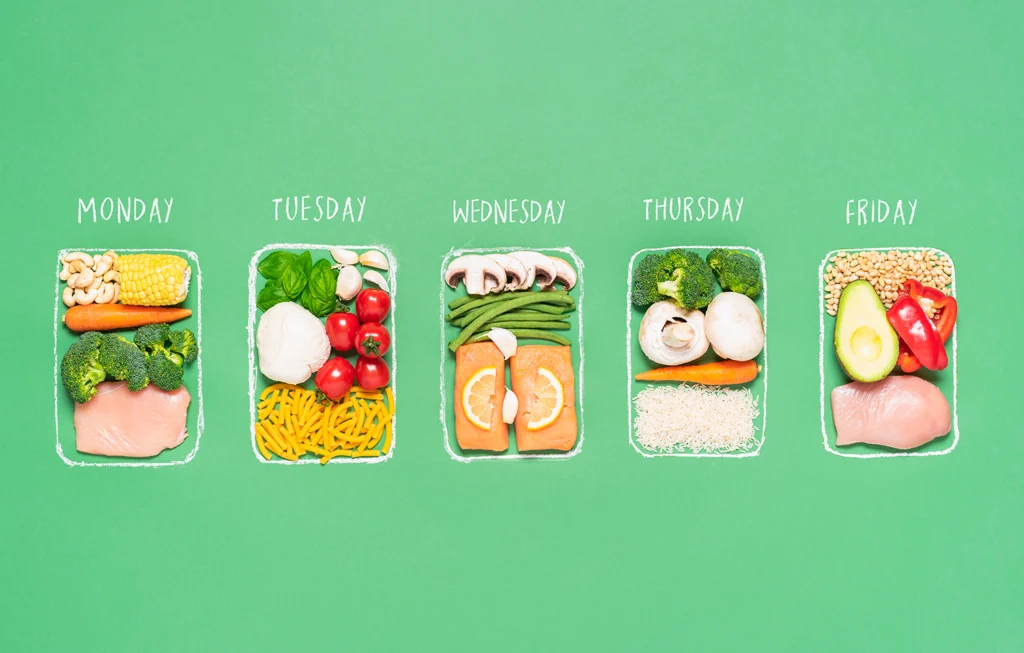
To customize your meal plan, we can adjust portion sizes based on our needs and include foods we enjoy. We might also swap out ingredients for any dietary restrictions we have. This way, every meal feels personal and tasty…
Ready to explore more tips?
Adjusting Portion Sizes
We can adjust portion sizes using the weekly meal planners. They give us space to track how much we eat. Keeping an eye on portions helps with weight loss; it makes our meals healthier without feeling deprived.
Calorie tracking sheets are also included in many plans. We can see exactly what we’re eating and tweak it as needed. For instance, if we love salad vegetables, we might want to fill half our plate with them while reducing higher-calorie foods a bit.
This makes it easier for us to stay satisfied and reach our goals!
Incorporating Personal Food Preferences
We can customize our meal plans to fit what we like. This makes it easier to stick with them. If we love salad and vegetables, let’s add more of those into our meals. We can swap out ingredients that don’t appeal to us for ones we enjoy.
Users find this personalization satisfying. It helps keep us excited about cooking and eating healthy. Changing up flavors or types of food keeps things fresh and fun on our weight loss journey.
Let’s make the meals ours!
Substituting Ingredients for Dietary Restrictions
Substituting ingredients helps us meet dietary needs. We can swap a heavy cream for almond milk in recipes. This works great for those who are lactose intolerant. If we need gluten-free options, we can use quinoa instead of pasta.
For salads and other dishes, adding vegetables like bell peppers or cucumbers makes them healthier too! It is simple to make these swaps with our editable food diary templates. These templates let us track what we eat and easily change ingredients to fit our diets better.
Next up, let’s look at grocery list templates for weight loss meal plans!
Grocery List Templates for Weight Loss Meal Plans
Grocery list templates can help us stay organized. They make shopping easy and ensure we buy what we need for our meal plans.
Pre-Filled Grocery Lists by Meal Plan Type
Using pre-filled grocery lists can make shopping easier for us. They help us stick to our meal plans and avoid extra purchases.
- Balanced Meal Plan: This list includes healthy proteins, whole grains, and plenty of salad vegetables. It covers all meals for the week.
- Low-Carb Meal Plan: Here, we find items like lean meats, eggs, and green leafy veggies. The focus is on foods low in carbs.
- High-Protein Meal Plan: This list has foods rich in protein like chicken, fish, beans, and dairy. These options help build muscle while keeping us full.
- Keto Meal Plan: Expect lots of fatty foods like avocados and nuts. We also include non-starchy vegetables in this plan.
- Vegan Meal Plan: This list is filled with plant-based foods such as legumes, seeds, and seasonal fruits. It excludes all animal products.
- Gluten-Free Meal Plan: For this option, we select gluten-free grains like quinoa and rice. We ensure it includes safe snacks too.
These lists make grocery shopping quick and efficient. Next up are some meal prep templates that will help us stay organized!
Blank Templates for Customization
Blank templates help us create meal plans that fit our needs. We can change them to suit our tastes and goals.
- Our templates let us pick what we want to eat. We choose meals that fit our diet and lifestyle.
- They come in blank forms. This way, we can write down our favorite recipes or meals.
- Templates are easy to print at home. We can use A4 or A5 sizes for convenience.
- Each template is flexible. We adjust the portions based on our hunger levels and family needs.
- They encourage us to try new foods. We can swap out ingredients to include more fresh salad vegetables or other favorites.
- These templates make grocery shopping simple. We list only what we need, cutting down on waste and saving money.
- Using blank templates keeps us organized. Each week looks different, helping us stay excited about healthy eating.
When we use these customization options, our weight loss journey feels more personal and less overwhelming.
Additional Tools for Meal Planning
Planning meals is easier with extra tools. A food diary helps us track what we eat. It can show our eating habits and help us make better choices. Weight loss trackers let us see our progress over time, which keeps us motivated.
Recipe books can inspire new dishes while sticking to our meal plans. With these tools, we can enjoy healthy meals every day!
Food Diary Templates
We know that tracking food can help us stay on track with weight loss. Food diary templates make this easy and fun.
- Daily Food Diary Template keeps it simple. We can log meals and snacks each day, making it clear what we eat.
- Complex Daily Food Diary offers more detail. This template helps us track calories, nutrients, and even moods related to food.
- Meal Ideas Section allows creativity. We can write down healthy recipes or new salad ideas with vegetables to try later.
- Portion Sizes Area reminds us of serving sizes. This helps avoid overeating by keeping portions in check.
- Weekly Review Section encourages reflection. At the end of the week, we can look back at our choices and spot patterns.
- Editable Format makes it flexible. We can change sections to fit our needs or preferences as we go along.
Using these templates truly enhances our meal planning journey!
Weight Loss Tracker Templates
Tracking our weight loss journey can keep us motivated. It helps us see our progress. Here are some great weight loss tracker templates to consider.
- Digital spreadsheets can make tracking easy. We can log our meals, exercise, and weight changes all in one place. This format is simple to update anytime.
- Printable charts offer a visual way to see our progress. We can hang them up where we see them daily, keeping us focused on our goals.
- App-based dashboards provide quick access on the go. Many apps let us track calories and workouts right from our phones. This makes it easier for busy moms like us.
- The Weight Loss SMART Goals Template helps us set specific, measurable goals. Having clear goals keeps us accountable and focused.
- The Weight Loss Daily Goal Template breaks down tasks into manageable parts. Each day feels less overwhelming with small steps that lead to success.
- Food diary templates allow us to jot down what we eat each day. Writing things down helps us understand our habits better, making it easier to choose healthier options.
- A weight loss tracker template can also assist with planning meals rich in salad vegetables and other healthy foods. Keeping track of what we consume encourages mindful eating.
- Incorporating these tools into our routine makes tracking feel less like a chore and more like a part of our lifestyle change.
- Regularly checking in on our trackers can boost motivation and show how far we’ve come on this journey together.
- Using these templates creates a supportive framework that aids in achieving weight loss goals effectively while still enjoying delicious meals along the way!
Recipe Book Templates
Weight loss can be tough, but a recipe book helps. It keeps us organized and inspired to stick to our goals. Here are some helpful ideas for using recipe book templates:
- Digital recipe books work on our tablets. They come in light and dark themes, making it easy to choose what we like best.
- Full-size printable books are available too. We can find them in floral, casual, or original styles to suit our taste.
- Recipe book templates keep us focused. We can save time by following tried-and-true recipes without the stress of planning every detail.
- Each template lets us track meals easily. This makes it simple to see what we eat each week.
- We can customize recipes for our family needs. If someone is gluten-free or vegan, we can adjust the dishes accordingly.
- Recipe books encourage healthy cooking habits, like using fresh vegetables and salads.
- The template guides our meal prep sessions; it saves time when shopping for ingredients.
- Having a dedicated space for healthy recipes inspires creativity in the kitchen!
Using these templates helps us stay on course with our weight loss journey while enjoying delicious meals along the way!
Conclusion
Ready-to-use meal plans make weight loss easier for all of us. We save time and feel less stressed when we know what to eat each day. These plans help us stay on track with our goals, while also promoting healthy habits.
With so many templates and options available, we can find the perfect fit for our needs. Let’s embrace these handy tools to achieve our weight loss success together!