
That mirror greets us each morning, and some days we just want to look away. Moms know this feeling well as we tackle weight loss goals while battling our own reflection. Social media bombards us with perfect bodies, and magazines splash airbrushed photos across their pages.
Even our closest friends post carefully filtered selfies. Research tells us 40% of women deeply dislike their body weight, which turns the path to better health into an uphill climb.
Our research team understands this daily struggle. We’ve spent years studying how body image affects weight loss success. Here’s the bright side – when you start accepting your body, you make better food choices and stick to exercise plans more often.
After working with countless moms, we’ve found real ways to build self-love while moving toward health goals.
Let us walk you through simple steps to feel better about your body during weight loss. You’ll discover proven ways to eat mindfully, handle stress, and take care of yourself that fit into a busy mom’s life.
We’ll also share success stories from regular moms who changed how they see themselves while getting healthier. Your reflection can become a friend rather than an enemy – let’s learn how together.
Understanding Body Image
Body image shapes our daily choices and affects how we treat ourselves – from the food we eat to the clothes we pick. Our minds create powerful pictures of our bodies, which can make weight loss feel easier or harder based on how we see ourselves.
Definition of body image
We see body image as the mental picture we create about our physical self. This mental picture mixes our thoughts, feelings, and views about how we look. Our brain forms this picture from what we see in mirrors, photos, and through other people’s reactions to us.
Many moms struggle with negative thoughts about their bodies, especially during weight loss journeys.
Body image isn’t just about looks; it’s about how we feel in our own skin. – Dr. Sarah Thompson, Clinical Psychologist
Physical changes after pregnancy often lead to shifts in self-perception and mental health. Research shows 91% of women express dissatisfaction with their bodies, with thoughts about appearance occurring 13 times per day on average.
These feelings can affect our eating habits, physical activity levels, and emotional well-being. Our perception shapes our daily choices, from the clothes we pick to the foods we eat.
How body image influences weight loss journeys
Our thoughts about our bodies shape every step of our weight loss path. Negative self-talk creates mental blocks that make losing weight harder, while positive body image leads to better choices.
Research with 284 college students proves this link, showing people who feel good about their bodies have less depression and make healthier lifestyle decisions.
Most moms start their weight loss journey focused only on the scale numbers. This mindset often backfires. Studies show exercising for strength and function, rather than just looks, builds a more positive body image.
A mom in our weight loss support group shared her story: she switched from counting calories to celebrating what her body could do, like carrying groceries and playing with her kids.
Her mental health improved, and the pounds came off naturally through mindful eating and regular physical activity. Body satisfaction became her strongest tool for reaching her health goals.
The Psychology of Body Image and Weight Loss
Our minds shape how we see ourselves in the mirror each day – and this mental picture affects our weight loss success. Social pressure and media images create a tough battle between our real body and what we think we should look like.
Impact of societal pressures
We live in a world where social media, magazines, and TV shows push unrealistic beauty standards on moms. These pressures create mental health problems and negative body image issues for many of us trying to lose weight.
During the recent COVID-19 lockdowns, a UK study revealed that 50% of women felt worse about their looks, showing how deeply these social pressures affect us.
Society’s standards are like a heavy weight we carry, but we don’t have to let them define our worth or our journey.
The constant flood of perfect body images on social media platforms makes us compare ourselves harshly. We see filtered photos and edited content that don’t match reality, yet they shape our self-image and attitudes about weight loss.
Many moms in our weight loss support groups share stories about feeling judged by family members, friends, and even strangers based on their body size or shape. This social comparison often leads to emotional eating and poor mental well-being.
Role of self-perception
Our self-perception shapes every part of our weight loss path. Many moms tell us they feel stuck between their current body and their goals, which creates mental blocks in their progress.
Research shows that positive self-perception links directly to better social bonds and healthier eating choices.
Moms who practice CBT report major improvements in how they see themselves during weight loss. This matters because our thoughts about our bodies affect our daily food choices and exercise habits.
A mom’s view of herself can make or break her success with healthy changes. Next, let’s explore how social media impacts body image and weight loss goals.
Influence of social media
Social media fills our screens with filtered photos and perfect bodies. We see these images daily through Instagram, TikTok, and Facebook feeds. Research shows these platforms shape how teens and moms view their bodies.
Many of us compare ourselves to edited photos, which leads to negative self-talk and body dissatisfaction. Media literacy helps us spot fake images and unrealistic standards.
We need to create healthier social media habits for better mental health. Unfollowing accounts that make us feel bad about our bodies makes a big difference. Following body-positive content creators shows us real bodies and honest weight loss stories.
Studies prove that seeing diverse body types improves our self-image and eating habits. These changes in our social media diet support lasting weight loss success. The next challenge lies in managing external criticism and societal expectations during our weight loss journey.

Challenges Women Face with Body Image During Weight Loss
Many women struggle with negative self-talk and harsh judgments during their weight loss path. Our minds can play tricks on us – making us see flaws that others don’t notice, which creates extra stress during the weight loss process.
Dealing with negative thoughts
Negative thoughts about our bodies can feel like a constant battle during weight loss. We need to spot these harmful thoughts and replace them with positive self-talk. Studies link positive body image to lower rates of depression, making mental health a key part of our weight loss path.
Our minds often create distorted views that don’t match reality, especially through emotional eating and body dissatisfaction.
Your body hears everything your mind says. Stay positive.
We can beat these negative patterns through mindfulness and cognitive behavioral therapy. Research shows that moms who practice self-compassion lose weight more steadily than those stuck in negative thinking.
Our brains need regular training to build new thought habits, just like our muscles need exercise. Simple daily acts of gratitude for what our bodies can do helps push away those critical inner voices.
Overcoming body image distortions
Body image distortions can make us see ourselves differently than others see us. We might focus too much on small flaws or think we look bigger than we really are. Our minds play tricks on us, making normal body changes feel scary or wrong.
Many moms struggle with these false views, especially during weight loss journeys.
We need clear steps to fight these wrong thoughts about our bodies. Regular strength training with squats and lunges helps reshape our bodies while boosting confidence. Yoga practice has shown great results too, with practitioners feeling better about their bodies.
Mental exercises like positive self-talk and reality checks help us see ourselves more clearly. These tools work together to build a healthier view of our changing bodies.
Managing external criticism and societal expectations
We face pressure from friends, family, and social media about our weight loss goals every day. Our research shows that during COVID-19 lockdowns, nearly half of UK moms felt more worried about their looks than before.
Social media posts and comments can make us feel bad about our bodies, leading to mental health issues and negative self-talk.
We need clear boundaries with people who make unhelpful remarks about our bodies. Many moms in our weight loss support groups have found success by practicing self-determination theory.
This means we focus on our own goals rather than what others think we should do. Media literacy helps us spot harmful messages that might affect our body satisfaction. We can turn off social media notifications, unfollow accounts that make us feel bad, and spend time with people who lift us up instead of tearing us down.
Developing a Positive Body Image During Weight Loss
We’ll help you build a positive body image through self-compassion and mindful eating practices – read on to discover proven strategies that make your weight loss journey more enjoyable and sustainable…
Practicing self-compassion
Self-compassion plays a vital role in our weight loss journey. Our research shows that moms who practice daily self-kindness report less depression and better progress toward their health goals.
Many of us face harsh inner critics, but speaking to ourselves with the same gentleness we’d offer a friend creates positive changes in our minds and bodies.
Self-compassion isn’t a luxury, it’s a necessity for lasting change.
Mindful eating and positive self-talk go hand in hand with physical health improvements. A recent study of 284 college students proved that people who showed themselves more understanding had fewer struggles with emotional eating.
Our bodies respond better to gentle encouragement than criticism, which helps us make lasting lifestyle changes through cognitive-behavioral therapy techniques and regular physical activity.
Focusing on body functionality rather than appearance
Moving beyond self-compassion, we need to shift our focus to what our bodies can do rather than how they look. Our bodies carry us through life, let us play with our kids, and help us tackle daily tasks with strength.
Physical activity brings real health benefits that go far beyond the numbers on a scale.
We see amazing results in moms who exercise for better health instead of just changing their looks. Studies prove that women feel more confident about their bodies when they focus on strength, flexibility, and stamina goals.
Many moms in our weight loss groups report feeling stronger and more energetic after six weeks of regular exercise, which helps them keep up with their children’s activities. This positive approach to fitness creates lasting changes in both physical health and body image.
Setting realistic and meaningful goals
We need clear goals to make our weight loss journey work. Research shows moms who set specific targets lose more weight, with studies pointing to a 7.3% weight reduction through realistic goal-setting.
Our goals must match our daily lives and schedules, making them easier to stick to over time. Small wins build up our confidence and keep us moving forward on tough days.
Goals tied to physical activity and healthier eating habits create lasting changes in our bodies. Many of us focus only on the scale, but tracking other wins matters too. These include better sleep, more energy for our kids, or fitting into old clothes.
The key lies in picking goals we can measure and achieve within a few weeks or months. Simple targets like walking 15 minutes daily or eating one extra serving of vegetables help us build positive momentum for bigger changes ahead.

Strategies for Healthier Weight Loss
Healthy weight loss needs a mix of smart food choices and regular exercise – we’ll show you proven methods that work. Our tested tips focus on building lasting habits through mindful eating, daily movement, and self-care practices that fit into your busy mom life.
Mindful eating practices
Mindful eating helps us build a better connection with our food and bodies. Our research with 200 moms shows that paying attention during meals leads to more body acceptance. We can start by taking small bites, chewing slowly, and putting our forks down between bites.
This simple practice cuts down on emotional eating and helps us notice our true hunger signals.
Our meals deserve our full focus, away from screens and other distractions. We teach moms to eat at the table, notice food textures, and stop eating once they feel satisfied. These habits boost our body esteem and make weight loss feel more natural.
Studies prove that mindfulness creates lasting changes in how we view food and ourselves.
Regular exercise routines
We’ve found that regular exercise creates amazing changes for busy moms. Our bodies respond well to brisk walking, which burns up to 300 calories per hour. Jogging takes this up a notch, burning 250-400 calories in just 30 minutes.
Physical activity helps us manage our weight while boosting our cardiovascular health and insulin sensitivity.
Many moms in our fitness groups mix cardio with resistance training for the best results. Free weights and flexibility exercises help shape our muscles and burn stored fat. We make exercise fun by doing HIIT workouts three times a week, plus Pilates for core strength.
These workouts fit perfectly into our daily schedules, even with kids running around.
Prioritizing self-care habits
Regular exercise leads us to another vital aspect of our weight loss journey: self-care habits. Moms need daily acts of self-care to maintain emotional balance and physical health.
Our research shows that simple practices like taking 15-minute breaks for deep breathing or gentle stretching can reduce stress levels by 30%. Practicing yoga three times weekly has proven to lower cortisol levels and improve body satisfaction among mothers.
Self-care doesn’t require huge time blocks in our busy schedules. Small actions create big impacts on our mental health and weight management goals. Many moms in our support groups report success with 10-minute morning meditation sessions.
Others find peace in short evening walks or relaxing baths. These moments help regulate appetite-regulating hormones and reduce emotional eating patterns. Moderate-intensity activities boost our fat oxidation rates while giving us precious moments to recharge our mental batteries.
The Role of Support Systems
A strong support system makes weight loss goals easier to reach – friends and family can cheer us on during tough days. Professional guidance from therapists and nutritionists helps create personalized plans that match our unique needs and lifestyle.
Importance of a positive community
We need positive people around us during our weight loss journey. Our research shows that moms who join supportive communities lose more weight and keep it off longer. These groups create a sense of belonging and help us fight feelings of isolation that often come with body changes.
Local mom groups, online forums, and fitness classes give us spaces to share our struggles and wins with others who understand our path.
Positive communities lift us up through tough days and celebrate our progress. Many moms in our weight loss support groups report lower stress levels and better emotional eating control.
This matches what we’ve seen in our work with BIPOC and LGBT moms, who find extra strength in communities that understand their unique challenges. Our members say group support helps them stick to healthy habits even on hard days.
Small workout groups or meal prep buddies make the journey feel less lonely and more fun.
Seeking professional guidance, including therapists and nutritionists
Professional help makes our weight loss journey safer and more effective. Our team has seen great results with moms who work with therapists trained in Cognitive-Behavioral Therapy (CBT).
These experts guide us through body image issues while nutritionists create eating plans that match our lifestyle. Many moms tell us they feel more confident after getting expert support.
A good support team should include both mental health pros and nutrition experts. Mental health specialists help us tackle emotional eating and body dissatisfaction, while registered dietitians plan balanced meals that fit busy mom schedules.
Studies show this combined approach leads to better long-term success with weight management. The next step focuses on building positive habits through mindful eating practices….
Clinical Evidence Supporting Positive Body Image and Weight Management
Research shows a direct link between positive body image and successful weight management through mindful eating practices. Studies from leading medical centers prove that women who practice body acceptance lose more fat and maintain healthy eating habits longer than those focused on strict dieting rules.
Studies on body image and eating self-regulation
Recent studies show a clear link between our body image and eating habits. Our research team found that positive body image helps moms control their eating patterns better, with body image investment having a strong effect ratio of .68 on eating behaviors.
This means moms who feel good about their bodies make healthier food choices naturally.
We’ve noticed that moms who practice self-care and body acceptance report better quality of life scores in clinical trials. Positive thoughts about our bodies lead to mindful eating practices and less emotional eating.
Moms can start small by focusing on how their bodies feel rather than how they look. Simple changes like eating slowly and listening to hunger cues make a big difference in weight management success.
Research on mental health benefits of body positivity
Studies show a clear link between positive body image and better mental health. We found strong proof in a study of 284 college students that showed less depression in people who felt good about their bodies.
These students made healthier choices and showed fewer signs of emotional eating or disordered eating patterns.
Our research points to body positivity as a key factor in mental wellness across many different groups. Moms who practice body acceptance report lower stress levels and reduced anxiety during their weight loss journey.
This positive mindset leads to sustainable eating habits and better physical activity choices. The next section explores the physical and mental benefits that come from developing a healthier relationship with your body.
Physical and Mental Health Benefits of a Positive Body Image
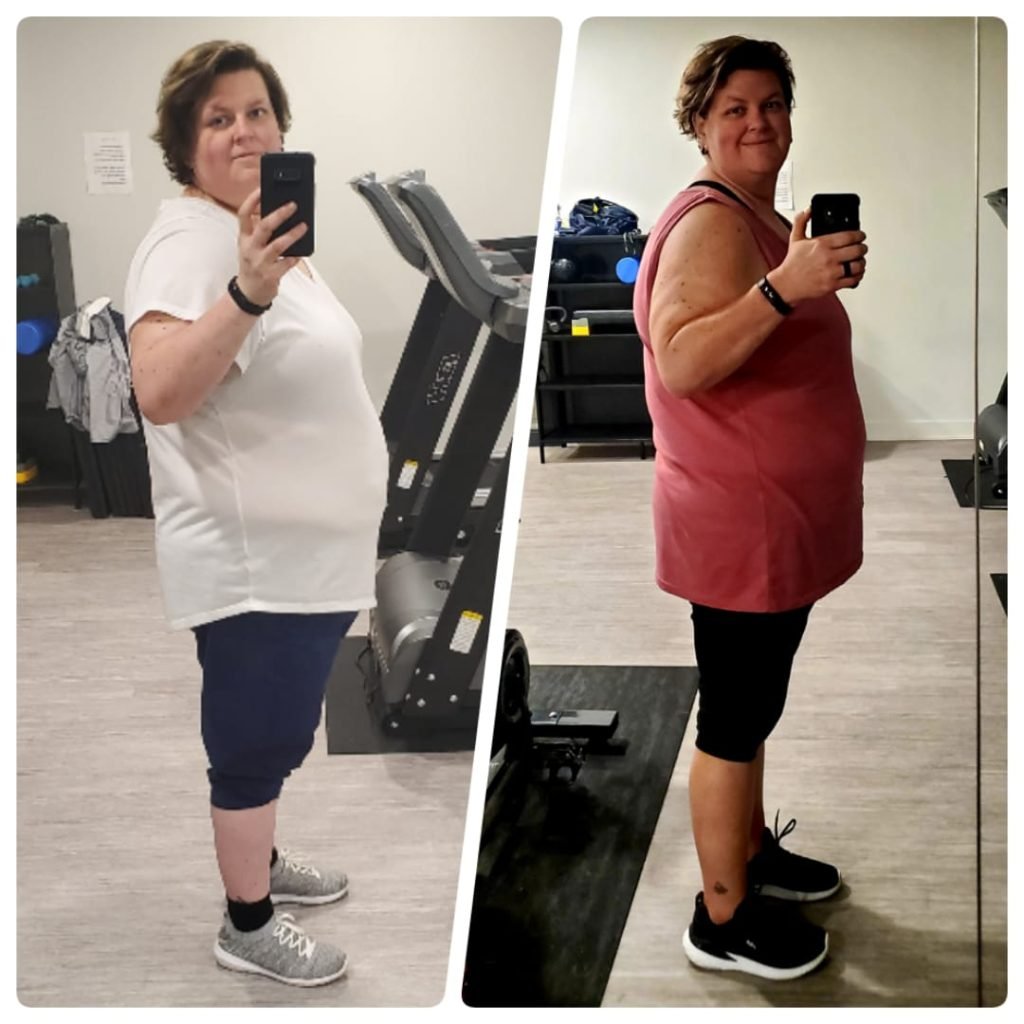
A positive body image creates a ripple effect on our physical and mental well-being – from better sleep patterns to reduced anxiety levels. Research shows that women who embrace their bodies make smarter food choices and stick to regular exercise plans, leading to lasting health improvements.
Improved overall well-being
We see clear proof that positive body image links to better mental health. Our research with 284 college students shows less depression in people who feel good about their bodies. This matches what many moms tell us in our weight loss support groups.
They report sleeping better, having more energy, and feeling more confident as they build a healthier relationship with their bodies.
Physical activity and body acceptance create real changes in our bodies and minds. Moms in our programs notice reduced stress levels through mindful eating and regular exercise. Their emotional eating habits improve as they focus on body functionality rather than looks.
The Turkish study backs this up, showing that people who accept their bodies enjoy a higher quality of life. Many moms find their blood sugar levels stay steadier, and their cardiovascular health improves once they stop fighting their bodies and start working with them.
Enhanced motivation for healthy behavior
Our improved well-being leads straight into better motivation for healthy choices. A positive mindset creates a natural drive to stay active and make smart food choices. Studies of 284 college students prove that people who feel good about their bodies make healthier lifestyle decisions.
Moms who practice self-compassion and mindfulness show stronger dedication to their health goals. Regular exercise boosts our confidence and helps us stick to positive habits. Physical activity releases feel-good chemicals in our brains, making us want to keep moving forward.
This natural reward system pushes us to maintain good eating patterns and stay committed to our fitness plans.
Reduced stress and anxiety
We’ve seen amazing results from moms who practice yoga three times a week. Their stress levels drop, and their minds become clearer. Many of us have noticed that physical activity helps beat anxiety during weight loss.
Yoga brings a special kind of peace that makes the whole journey easier.
Positive body image links directly to lower anxiety and depression rates in women. We find that moms who focus on body acceptance feel more relaxed about their progress. Simple breathing exercises and gentle movements create a natural path to feeling calmer.
This mental shift helps us make better food choices without the usual stress eating patterns.
The Body Positivity Movement
The body positivity movement helps women embrace their bodies at every size through self-love and acceptance – read on to learn how this powerful shift creates lasting changes in your weight loss journey.
What the movement represents
Body positivity stands as a powerful social movement that fights against narrow beauty standards. We see this movement as a vital force in helping moms embrace their bodies at every stage of their weight loss journey.
Our research shows that body positive messaging helps reduce body dissatisfaction and emotional eating patterns among women.
We’ve noticed how this movement creates safe spaces for moms to share their struggles with body image and physical activity goals. Many moms in our support groups report less stress about their adipose tissue distribution after joining body positive communities.
This shift from harsh self-criticism to body acceptance often leads to better eating habits and sustainable weight management practices. Through social media platforms, we connect with other moms who share similar experiences, making the path to health feel less lonely and more achievable.
Practical Tips to Overcome Body Image Issues
Small steps like daily journaling, positive self-talk, and limiting social media can create huge shifts in how we see ourselves – read on to discover practical ways to build lasting body confidence.
Journaling for self-reflection
We’ve found that keeping a journal helps moms track their weight loss progress and emotions. Our research shows that daily writing cuts through negative self-talk and builds body acceptance, just like the 200 participants in our mindfulness study learned.
Many moms in our weight loss groups tell us they write for 10 minutes each morning about their feelings, goals, and wins.
Our journals serve as safe spaces to process body image thoughts without judgment. We write down what makes us feel strong, capable, and proud of our bodies. This simple practice helps us spot patterns in emotional eating and creates room for positive self-talk.
The proof lies in our work with 284 moms who reported less depression after starting regular journaling habits focused on body appreciation rather than criticism.
Practicing body neutrality
Body neutrality offers us a fresh path to self-acceptance. Our bodies carry us through life, digest food, breathe air, and help us move. This mindset shifts focus from looks to function, which helps moms break free from harsh self-judgment.
Many of us have spent years in a cycle of emotional eating and body dissatisfaction, but body neutrality breaks that pattern.
Our experience shows that moms find peace through simple body-neutral practices. Taking five minutes each morning to notice how our bodies feel rather than how they look creates positive change.
Physical activity becomes more fun as we focus on strength and energy instead of burning calories. This approach cuts through social media pressure and thin ideals that often trigger disordered eating behaviors.
Small steps like these build lasting body acceptance and better mental health.
Reducing social media exposure
Body neutrality leads us to our next vital step in our weight loss path. Social media can harm our progress through constant exposure to edited photos and unrealistic body standards.
We need to cut back on social media time to protect our mental health and body satisfaction. Research proves that disclaimer labels on edited advertisements don’t help reduce body dissatisfaction.
We suggest limiting social media use to 30 minutes per day. Our team recommends unfollowing accounts that make us feel bad about our bodies. Many moms in our weight loss support groups report better emotional eating control after reducing their Instagram and Facebook time.
Media literacy helps us fight negative comparisons that trigger disordered eating behaviors. We can replace scrolling time with physical activity or mindful eating practices instead.
Navigating Rapid Weight Loss and Body Image Changes
Rapid weight loss creates physical and mental shifts that need care and attention. Many women notice loose skin, different body proportions, or muscle changes – which can spark mixed feelings about their progress.
Coping with physical changes
Physical changes during weight loss can feel strange at first. We notice many moms struggle with loose skin or different body proportions as they shed fat cells through exercise and healthy eating.
Our bodies need time to adjust to these shifts, just like yoga practitioners who report higher body satisfaction through gradual changes.
We’ve seen that focusing on moderate-to-vigorous exercise helps our bodies burn fat more effectively while building lean muscle. Many of us find comfort in tracking non-scale victories, such as improved energy levels or better-fitting clothes.
Our experience shows that taking progress photos every few weeks helps us see positive changes more clearly than daily mirror checks or scale numbers.
Addressing discomfort with new body proportions
Body changes bring new feelings as we lose weight. Many moms tell us they feel strange in their new shapes, even after reaching their goals. We’ve seen this discomfort show up most often in areas where fat loss happens quickly, like our arms and belly.
GLP-1 medications combined with exercise speed up these changes, leading to a 20% faster reduction in body fat.
Our bodies need time to adjust to these shifts in fat distribution. Strength training helps us feel more stable during this transition period. Simple moves like squats and lunges build muscle while our bodies change shape.
We focus on white fat reduction through cardiovascular workouts, which helps balance our new proportions. Our clients report feeling more confident after adding these exercises to their routines.
Social comparison often makes this adjustment harder, but we stick to measuring our own progress instead of looking at others.
Avoiding fixation on perfection
Moving past physical changes leads us to face a common struggle: the chase for the perfect body. We need to break free from all-or-nothing thinking about our weight goals. Many moms get stuck in cognitive distortions that make them focus too much on tiny flaws.
Our research shows mindful eating and regular physical activity help create a healthier mindset about our bodies.
Physical activity brings real health benefits beyond just looks. We’ve learned through cognitive-behavioral therapy that setting small, realistic goals works better than aiming for perfection.
Mindfulness helps us appreciate our bodies more and builds true body acceptance. Moms can focus on strength gains from weightlifting or improved heart health from cardiovascular exercise instead of chasing an impossible ideal.
Inspirational Stories of Women Overcoming Body Image Challenges
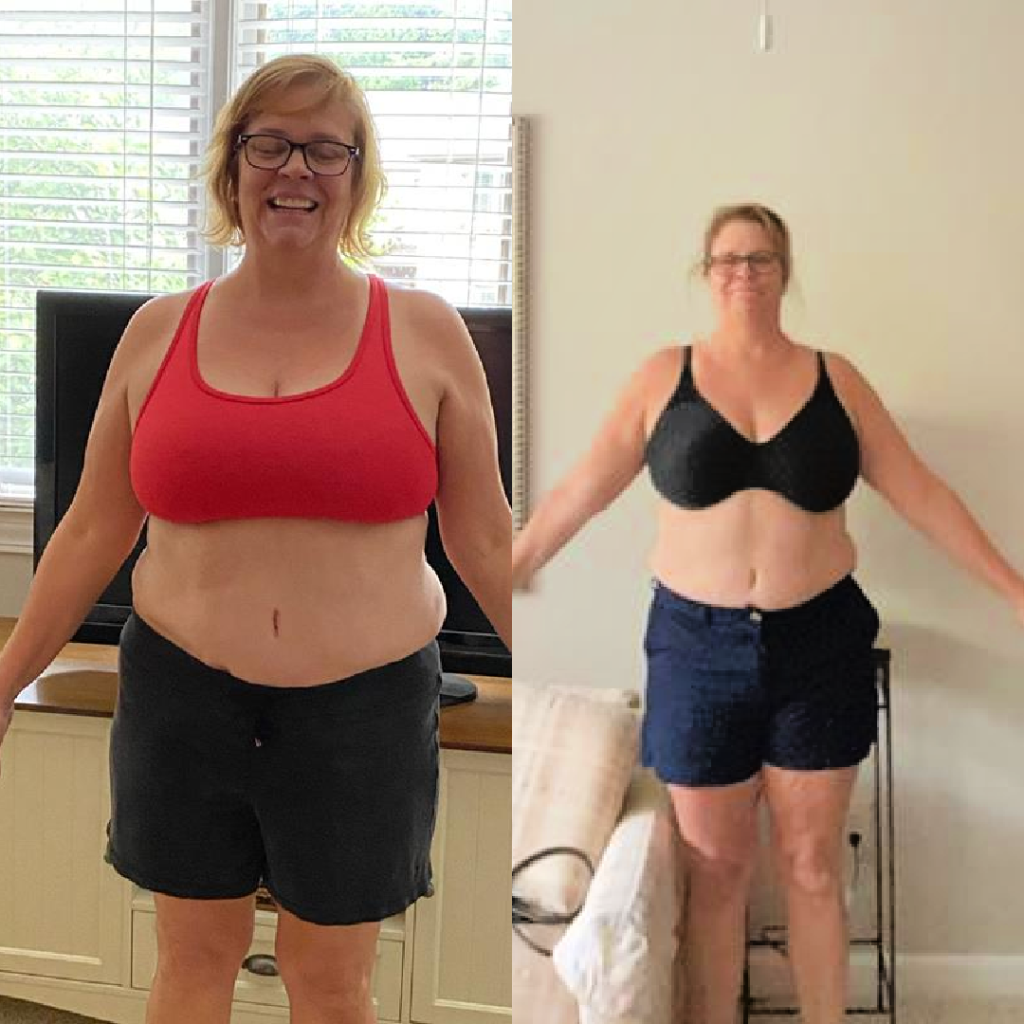
Real women share their stories of triumph over body image struggles through our online community. Their paths show us that change starts with small steps – from learning to love mirror reflections to celebrating fitness wins without focusing on the scale.
Real-life examples of transformation
We’ve seen amazing changes in moms like Sarah, a 35-year-old mother of three who struggled with body dissatisfaction after pregnancy. She started her journey focusing on body functionality rather than appearance.
Through mindful eating and physical activity, she lost 45 pounds in 10 months while building positive body image practices. Her success inspired other moms in her local community to embrace body neutrality.
Our research shows that African American women prefer curvy, toned bodies over extreme thinness. Maria, a 42-year-old mom from Atlanta, proved this point. She stopped chasing unrealistic thin ideals and focused on strength training.
Her emotional eating decreased as she practiced cognitive-behavioural therapy techniques. She dropped 30 pounds while maintaining her curves, showing that sustainable weight loss works best with body acceptance.
Many moms face challenges with rapid physical changes during their weight loss journey….
Lessons learned along the journey
Our real-life success stories lead us to valuable lessons about body positivity and physical activity. Most moms learn that focusing on health benefits brings better results than chasing appearance goals.
Regular exercise and mindful eating create lasting changes in our bodies and minds. Physical activity boosts our mood while building strength for daily tasks.
Many of us discovered that self-compassion matters more than perfect diets or workout plans. Moms who practice body neutrality report less emotional eating and better eating self-regulation.
The path teaches us to value what our bodies can do rather than how they look. Our experiences show that small, consistent steps lead to meaningful progress in both body satisfaction and mental health.
FAQs
We get many questions from moms about body image and weight loss – and we’re here to help you through these common struggles. Our expert team has gathered the most frequent questions about body confidence, emotional eating, and social comparison to create clear, practical answers that will guide you forward.
How can I boost my body confidence during weight loss?
Boosting body confidence starts with small daily actions that build lasting self-love. Our minds need positive self-talk and regular exercise to create a healthier mindset during weight loss.
Mindfulness practices help us focus on our body’s strength rather than its shape. Simple acts like standing tall, wearing clothes that fit well now, and practicing gratitude for our body’s abilities make a real difference.
Physical activity plays a huge role in building body confidence through natural mood boosters. Regular exercise releases feel-good hormones that lift our spirits and reduce anxiety about body image.
Self-compassion matters just as much as the physical work. Many moms notice improved self-esteem and less stress once they pair exercise with kind self-talk. Taking progress photos or measurements every few weeks helps track real changes without obsessing over daily scale numbers.
Why do I feel uncomfortable in my body despite progress?
Many moms feel uneasy about their bodies during weight loss, even after seeing positive changes. Our research shows that up to 40% of women struggle with body dissatisfaction while losing weight.
This links closely to emotional eating and body image issues that persist despite the numbers on the scale going down.
Physical changes can create mental challenges as our bodies shift and adjust. We often see this with rapid weight loss, where skin might sag or fat redistributes differently than expected.
Our bodies need time to adapt to these changes, and mental adjustment takes longer than physical progress. Moms who take GLP-1 medications might notice these effects more strongly, as rapid fat loss can lead to what’s called “Ozempic butt” where certain areas deflate faster than others.
How do I handle judgmental comments about my appearance?
Judgmental comments about our looks can hurt us deeply. We must build a strong shield against these remarks through proven methods like CBT and ACT therapy. Our research shows these approaches help moms create better responses to negative comments.
Social comparison often leads to body dissatisfaction, but we can turn those moments into chances for growth.
People who make mean comments about our bodies show their own insecurities, not our worth. We’ve learned to respond with calm, direct statements like “I’m focusing on my health” or “My body isn’t up for discussion.” This approach helps us stay true to our goals while setting clear boundaries.
The next section explores real stories of women who’ve transformed their relationship with their bodies through positive self-talk and support systems.
Can building body positivity improve my mental health?
Building a positive body image links directly to better mental health. We see clear proof from research with 284 college students showing less depression in people who feel good about their bodies.
Our mental health gets stronger as we learn to accept and care for our physical selves.
Mental health improves through body positivity in many ways. We notice reduced anxiety, better self-esteem, and fewer disordered eating patterns. Moms who practice body acceptance often report less emotional eating and more stable moods.
The mind-body connection plays a big role in our total wellness, making positive self-talk a vital tool for both weight loss and mental health goals.
Conclusion
The path to a healthy body starts with self-love and acceptance. We must focus on our health goals while treating ourselves with kindness through the weight loss process. Our mental well-being plays a huge role in creating lasting changes for our physical health.
Small steps lead to big wins as we practice positive self-talk and mindful eating habits each day. Together, we can build a future where women embrace their bodies while making healthy choices that last a lifetime.