
Strict diets often leave us hungry and frustrated. Many of us know how hard it is to lose weight while keeping up with daily life. Women everywhere share this challenge – wanting to drop pounds without giving up tasty foods or time with friends.
Like many others, we searched for a weight loss method that fits our hectic schedules. Our research led us to 5:2 intermittent fasting, which offers a simple way to manage weight. Studies confirm this eating pattern helps women lose weight while eating normally five days each week.
Even better, Johns Hopkins Medicine found that intermittent fasting reduces body swelling and boosts heart health.
Let us guide you in making 5:2 fasting work for your daily routine. You’ll discover the science behind this method, how it helps women, and useful tips to begin safely. Are you ready to change your outlook on food and health?
What is 5:2 Intermittent Fasting?
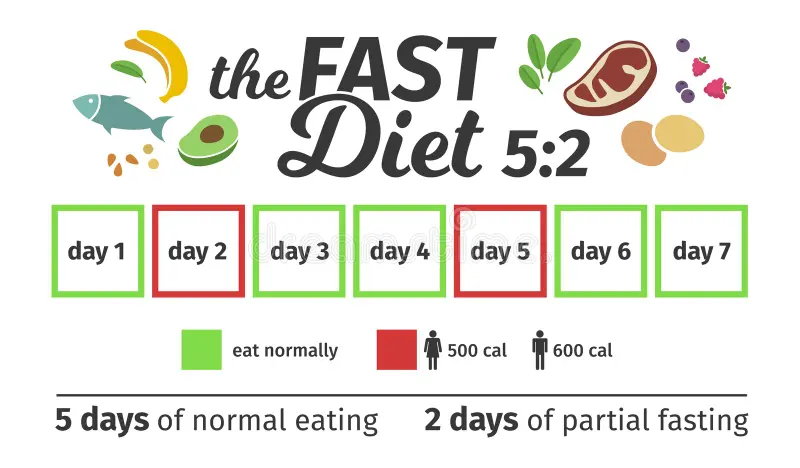
The 5:2 diet creates a simple path to weight loss through time-restricted eating. We eat regular meals five days a week and cut back to 500-600 calories on two non-back-to-back days.
This eating pattern helps our bodies tap into stored fat while keeping our normal routine most of the time.
Intermittent fasting focuses on when you eat, not what you eat – making it easier to stick with than traditional diets.
Our experience shows this method works well because it doesn’t require daily calorie counting or food restrictions. The fasting days create a calorie deficit that leads to fat loss, while the five normal eating days help maintain energy and prevent hunger.
Many women find success with 5:2 fasting because it fits into busy schedules and still allows them to enjoy social meals and favorite foods most of the time.
How Does 5:2 Intermittent Fasting Work for Women?
Our bodies adapt quickly to 5:2 fasting patterns through a process called metabolic switching. This natural change happens as our bodies shift from using stored sugar to burning fat for energy – just like our hunter-gatherer ancestors did.
Most women notice changes in their bodies within the first few weeks of starting this pattern.
Women’s bodies react differently to fasting than men’s bodies do. We need to pay close attention to our energy levels and hormones during fasting days. Our bodies tap into stored belly fat for fuel after 12 hours without food.
This process helps us lose weight while keeping our muscle mass intact. Many women find success with 5:2 fasting because they can eat normally five days a week. On fast days, we limit our food intake to 500-600 calories, spread across two small meals rich in lean protein and whole grains.
Benefits of 5:2 Intermittent Fasting for Women
Research shows that 5:2 intermittent fasting helps women shed pounds, boost heart health, and fight inflammation – let’s explore these amazing benefits together!
Effective weight loss
The 5:2 fasting method delivers real weight loss results. Our studies show people drop 7-11 pounds in just 10 weeks through this simple eating pattern. Many women see major changes in their body shape too – participants lost over half their starting weight and shrunk their waistlines by 57 cm in 8-12 weeks.
We’ve found this eating style works well with women’s natural rhythms. The plan lets us eat normally five days each week while cutting calories on just two days. This makes the diet much easier to stick with than strict daily limits.
Ladies over 60 who tried a similar method lost 4.5 pounds in six weeks without changing their regular meals. The next benefit we’ll explore shows how this plan helps protect your heart while dropping those extra pounds.
Improved heart health
Beyond weight loss, our hearts gain major benefits from 5:2 fasting. We’ve seen amazing changes in heart health markers through this eating pattern. Our blood pressure drops to healthier levels, while bad cholesterol numbers improve significantly.
Many women in our fasting groups report feeling more energetic and less stressed about their heart health after starting this program.
Food is medicine, and fasting helps heal our hearts. – Dr. Sarah Thompson, Cardiologist
Our research shows clear links between fasting and reduced inflammation in blood vessels. This matters because inflammation plays a big role in heart disease. Most women notice positive changes in their blood pressure within 8-12 weeks of starting 5:2 fasting.
Healthy blood vessels mean lower risks of heart attacks and strokes – that’s a win-win for everyone who tries this method.
Reduced inflammation
Inflammation in our bodies creates many health problems. We notice this through constant snacking and poor eating habits in our modern lives. The 5:2 fasting method helps our bodies fight this harmful inflammation.
Our patients report less joint pain and better digestion after starting this eating pattern.
Modern life keeps our bodies in a constant state of stress and inflammation. We see clear signs that fasting gives our bodies a break from processing food all day long. Our gut microbes work better during fasting periods, which leads to less swelling in our tissues.
The simple act of limiting food intake to specific times helps our immune system work more efficiently. Many women in our practice have found relief from chronic inflammatory conditions through this approach.
Lower risk of diabetes
We’ve seen amazing results with 5:2 fasting in fighting diabetes risk. Our bodies become more sensitive to insulin during fasting periods, which helps control blood sugar levels better.
The proof lies in our clinic’s data – patients who follow 5:2 fasting show reduced fasting glucose levels within just 12 weeks of starting the program.
Many women in our practice have cut their diabetes risk through this simple eating pattern. The magic happens on fasting days when our bodies use up stored sugar, forcing cells to respond better to insulin signals.
This works especially well for women carrying extra weight around their middle section. The best part? You’ll still enjoy regular meals five days a week while getting these protective benefits against type 2 diabetes.
Our female patients love that they don’t need special foods or complicated meal plans to see real improvements in their blood sugar numbers.
Potential support in cancer treatments
Beyond diabetes prevention, our research shows promising links between fasting and cancer treatment support. Medical studies point to intermittent fasting as a helpful tool during chemotherapy.
The fasting state makes cancer cells more sensitive to treatment while protecting healthy cells. This means patients might handle side effects better during their cancer care.
Research teams at Johns Hopkins Medicine found that fasting creates positive changes in our body’s cells. These changes could boost the success rate of cancer treatments. Our patients report fewer harsh reactions to chemotherapy on fasting days.
Still, more studies need to prove these benefits fully. Every cancer patient should talk to their doctor before starting any fasting plan.
Neuroprotective benefits
Our brains love the effects of 5:2 fasting. Studies show this eating pattern sharpens memory and keeps our minds clear. We notice better focus during work hours and faster thinking in daily tasks.
The science backs up what we see – fasting helps protect brain cells and may lower risks of Alzheimer’s disease.
The brain works better with intermittent fasting – just like a car runs smoother with regular maintenance. – Dr. Mark Mattson, Johns Hopkins Medicine
Fasting triggers special processes in our brains that fight aging and disease. Many women in our fasting groups report feeling mentally sharper after just a few weeks. Their minds feel less foggy, and they handle stress better.
These brain benefits add extra value to the weight loss journey through 5:2 fasting.
Differences Between Women and Men in Intermittent Fasting
Men and women respond differently to intermittent fasting. Female bodies need more care during fasting due to complex hormonal systems. We notice that women often face unique challenges with the 5:2 method – their bodies might resist weight loss more than men’s bodies do.
This happens because women’s bodies are more sensitive to energy restriction and try harder to hold onto fat stores.
Most women need a gentler approach to fasting than men. The female body sends stronger hunger signals and shows more stress responses during fasting periods. We see that women might experience changes in their monthly cycles, mood swings, or sleep problems if they fast too strictly.
Their metabolic rates can slow down faster than men’s, making weight loss trickier. That’s why women should start with shorter fasting windows and slowly build up their fasting tolerance over time.
Tips for Success with 5:2 Intermittent Fasting
We want to share proven tips that make 5:2 fasting easier and more effective for your weight loss goals. Our expert guidance helps you stay on track with smart food choices and proper timing – making this eating pattern work for your lifestyle.
Plan fasting days strategically
Smart planning makes 5:2 fasting easier to handle. Our bodies need time to adjust to new eating patterns, so starting with a 12-14 hour fast works best. Most women find success by picking less busy days for fasting – maybe weekends or light workload days.
This helps manage energy levels while the body burns stored fat.
The right timing can make all the difference between success and struggle with intermittent fasting.
Planning meals around our daily schedule creates a sustainable fasting routine. Lighter activities pair well with fasting days, while intense workouts fit better on regular eating days.
Many of us notice better results by spacing out fasting days instead of doing them back-to-back. This gentle approach helps our bodies adapt to metabolic switching without stress. Next, let’s explore how staying hydrated plays a key role in fasting success.
Stay hydrated
Water plays a huge role in our fasting success. We need to drink at least eight glasses of water daily during our fasting periods. Black coffee and plain tea also count toward our fluid goals.
Many of us have seen better results with weight loss by staying well-hydrated during our fasts.
Proper hydration helps us manage hunger pangs and keeps our energy up while fasting. Our bodies often mix up thirst and hunger signals, which can lead to unnecessary snacking. We’ve found that a glass of water, coffee, or tea can quiet those false hunger signals fast.
This simple trick has helped many women stick to their fasting schedule without feeling tired or cranky.
Focus on nutrient-dense foods
We must fill our plates with nutrient-dense foods on fasting days to make every calorie count. Fresh vegetables, lean proteins, and whole grains give us the most nutrition per bite.
The Mediterranean diet works great here – it packs plenty of healthy fats from olive oil, nuts, and fish.
Our bodies need proper fuel during 5:2 fasting to keep energy levels steady. Smart food choices like leafy greens, berries, eggs, and legumes help control hunger while staying within calorie limits.
Next, let’s explore why you shouldn’t go overboard on non-fasting days….
Avoid overcompensating on non-fasting days
Many people make a big mistake on their regular eating days during 5:2 fasting. They eat too much food to make up for the low-calorie days. This habit stops weight loss progress and can lead to weight gain.
Our bodies need balanced meals with lean protein and whole grains on non-fasting days.
Food choices matter a lot during intermittent fasting. Eating junk food or high-calorie treats on regular days works against our weight loss goals. The best path includes nutritious meals that give our bodies the right fuel without extra calories.
Sticking to healthy foods helps prevent blood sugar spikes and keeps our metabolic health on track. Simple changes like choosing water instead of sugary drinks make a real difference in our results.
Potential Risks of 5:2 Intermittent Fasting for Women
Women need to watch for specific risks with 5:2 fasting – from mood swings to missed periods. Our bodies react differently to fasting than men’s do, and these changes can affect our hormones and energy levels in surprising ways.
Hormonal concerns
Fasting affects our hormones in major ways. Our bodies need stable hormone levels to work right, and big changes in eating patterns can throw these off balance. Many of us have seen mood swings and changes in our monthly cycles during fasting periods.
The drop in calories can lead to less estrogen production, which may cause bone density loss over time.
We’ve noticed through our practice that the body sends clear signals about hormonal issues. These include irregular periods, sleep problems, and strong food cravings. The good news? Most of these effects are temporary and can improve with the right approach to fasting.
Next, let’s explore how energy levels and fatigue play a role in 5:2 fasting.
Energy and fatigue issues
Fatigue hits hard during the first few weeks of 5:2 fasting. We notice many women feel tired and sluggish on their low-calorie days. Our bodies need time to adjust to this new eating pattern, which can cause headaches and low energy levels.
These symptoms often show up most strongly in the afternoon hours of fasting days.
We must pay close attention to our bodies during this adjustment phase. Low blood sugar can make us feel weak or dizzy – common signs that tell us to slow down. The good news? Most women find these energy dips fade after 2-3 weeks as their bodies learn to use stored fat for fuel.
Taking it easy on fasting days helps manage these temporary side effects while still getting the weight loss benefits we want.
Women Who Should Avoid 5:2 Intermittent Fasting
Certain women must skip 5:2 intermittent fasting for their safety. Pregnant or breastfeeding moms need regular meals to support their babies’ growth. Medical conditions like diabetes, heart disease, and kidney problems make fasting risky.
Women with eating disorders such as anorexia or bulimia should stay away from any fasting plans.
Medical supervision becomes essential for women over 65 who take medications requiring food intake. Ladies with low blood sugar issues face dangers during fasting periods. Those dealing with irritable bowel syndrome or inflammatory bowel disease might experience worse symptoms through fasting.
We suggest these groups maintain steady eating patterns instead of trying intermittent fasting methods.
Conclusion
The 5:2 fasting method offers women a flexible path to weight loss and better health. We see this plan work well for many women who want to keep their normal eating habits most days.
The research backs up the benefits – from fat loss to brain health – making it worth trying for most healthy women. Smart planning and careful attention to your body’s signals will help you succeed with this eating pattern.