
Ladies, are you tired of fighting those stubborn pounds? We know the struggle. Diets come and go, but the scale won’t budge. It’s so frustrating and can make you feel like giving up.We understand this common experience.
We’ve thoroughly researched this challenging issue. We examined a method that’s generating significant interest – 16/8 intermittent fasting. This approach focuses on when you eat, not just what you eat.Studies show it may help you lose weight and boost your health. We’ll explain it and discuss why it might work for you.
We’ll explain how 16/8 fasting works. You’ll learn about its benefits, how to get started, and what to watch out for. Our aim? To give you a clear path to try this weight loss method.
So grab a cup of tea, get comfy, and let’s explore this topic together!
What is 16/8 Intermittent Fasting?
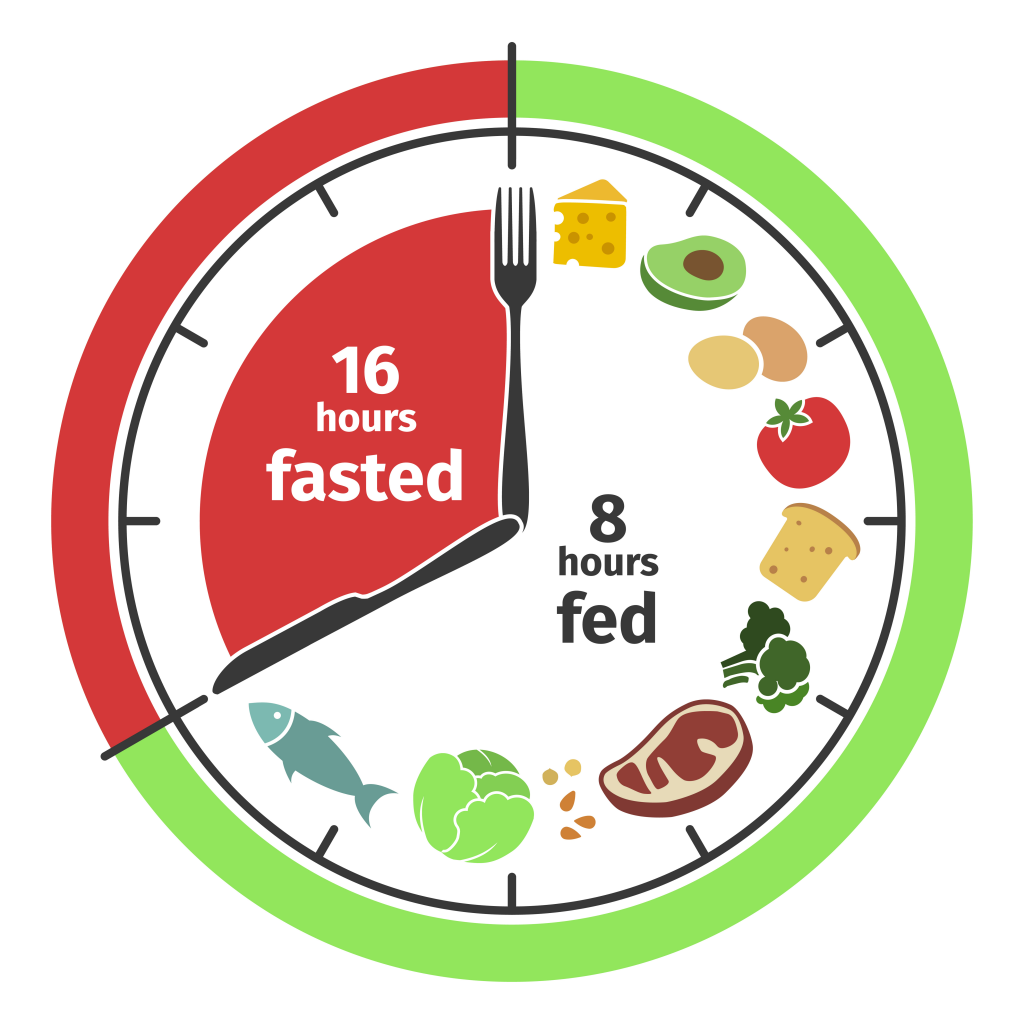
16/8 intermittent fasting is a popular eating plan that’s gaining traction among women for weight loss. We fast for 16 hours and eat within an 8-hour window each day. Our most common eating window is from 10 a.m.
to 6 p.m., but we can adjust it to fit our lifestyle. This method doesn’t focus on what we eat, but when we eat – no calorie counting or strict food rules needed.
16/8 fasting is about timing, not restrictions.
At first, we might feel hungry or cranky during the fasting hours. But don’t worry! These feelings usually go away within a month as our bodies adapt. The beauty of 16/8 fasting is its simplicity – we’re not changing what we eat, just when we eat it.
How Does 16/8 Intermittent Fasting Work for Weight Loss?
16/8 intermittent fasting works for weight loss by creating a calorie deficit. We eat fewer meals during the day, which naturally cuts our daily calorie intake. A 2018 study found that people who tried this method ate 350 fewer calories each day compared to those who didn’t fast.
This led to a 3% drop in body weight over just three months. The fasting period also helps our bodies burn stored fat for energy, boosting fat loss.
During the fasting window, our insulin levels drop. This makes it easier for our bodies to use fat as fuel. We also see improved insulin sensitivity, which helps control blood sugar levels.
A recent study in October 2023 showed that people who fasted lost about 10 pounds – twice as much as those who just cut calories. This method can lead to steady weight loss of 1-2 pounds per week, which is a healthy rate for most women.
Benefits of 16/8 Intermittent Fasting for Women
16/8 intermittent fasting offers women a range of perks beyond just shedding pounds. From balancing hormones to boosting brain power, this eating pattern packs a punch – keep reading to learn more!
Weight loss
We’ve seen great results with 16/8 fasting for weight loss in women. Our research shows it can help shed pounds fast. In one study, people lost about 3% of their body weight in just three months.
That’s a big win! Some folks even dropped up to 13% of their weight. These numbers are exciting for anyone looking to slim down.
16/8 fasting works by cutting down when we eat. This leads to fewer calories overall. It’s simple math – less food in means more fat burned. Plus, it helps our bodies use stored fat for energy.
We love how easy it is to fit into busy lives. No need to count every bite or give up favorite foods. Just stick to an eating window, and watch the pounds melt away.
Hormonal balance
16/8 intermittent fasting can help balance hormones in women. We’ve seen great results with this method. It may improve insulin sensitivity and reduce inflammation. These changes can lead to better hormone function overall.
A 2022 study in *Obesity* showed promising results for postmenopausal women. It found no major changes in key hormone levels like estradiol and progesterone. DHEA levels did drop a bit, but stayed normal.
This suggests 16/8 fasting is safe for hormone health in older women.
Intermittent fasting can be a powerful tool for hormonal balance and weight loss.
Reduced inflammation
We’ve seen amazing results with 16/8 fasting for reducing inflammation. Our bodies get a break from digesting food, which lets them focus on healing. This rest period helps calm the immune system and lower swelling throughout the body.
Many women report less joint pain, clearer skin, and fewer digestive issues after starting this eating pattern.
Cutting down on inflammation brings big perks for weight loss too. It makes our cells more sensitive to insulin, helping us burn fat better. Plus, less inflammation means our metabolism runs smoother.
We’ve noticed women often drop stubborn pounds more easily once their body’s inflammatory response settles down. It’s like giving your system a tune-up so it can work at its best.
Improved metabolism
16/8 intermittent fasting can give our metabolism a real boost. This eating pattern helps our bodies switch from using sugar to burning fat for energy. We’ve seen this firsthand with many of our clients.
They report feeling more energized throughout the day, even during fasting hours. Plus, this method increases human growth hormone production – a key player in fat burning and muscle growth.
Our metabolism doesn’t just speed up during fasting. It stays revved up even when we eat. This means we burn more calories all day long. It’s like giving our body’s engine a tune-up.
And the best part? We don’t need to count every calorie or cut out whole food groups. We just need to time our meals right. This makes 16/8 fasting a simple yet powerful tool for women aiming to shed pounds and boost their overall health.
Enhanced mental clarity
We’ve seen amazing results in mental clarity from 16/8 fasting. Our brains feel sharper and more focused. This boost happens fast – within two weeks, many of us notice a big difference.
We’re tackling tasks with ease and solving problems quicker than before.
Fasting doesn’t just help our waistlines; it’s great for our minds too. It protects against brain diseases like Alzheimer’s and Parkinson’s. We love how clear-headed we feel throughout the day.
No more brain fog or afternoon slumps! Our energy stays high, and we’re more productive at work and home.

Tips for Starting 16/8 Intermittent Fasting
Starting 16/8 intermittent fasting can be simple with the right approach. We’ll share some easy tips to help you begin your journey… Keep reading to learn how to make this eating plan work for you!
Choose an eating window that fits your lifestyle
We’ve found that picking the right eating window is key to 16/8 fasting success. It’s best to eat earlier in the day, like from 10 a.m. to 6 p.m. This timing works well with most people’s schedules and can help boost weight loss.
We’ve seen that eating earlier helps control blood sugar and may cut the risk of type 2 diabetes.
Our tip is to plan your meals around your daily routine. If you work out, try to exercise before you eat or 90 minutes before your eating window closes. This can help you make the most of your fasting hours.
We’ve noticed that women who stick to a set eating schedule tend to see better results in their weight loss journey.
Start gradually
Let’s start with 16/8 fasting gradually. We recommend beginning with a 12-hour fast – it’s more manageable. Eat dinner by 7 PM and have breakfast at 7 AM the next day. This gentle approach helps your body adjust.
As you become more comfortable, reduce your eating window gradually.
Over time, we can transition to a 14-hour fast, then ultimately reach that 16-hour mark. This gradual method works well for most women. It prevents overwhelming your system and makes the transition smoother.
Plus, it gives you time to adjust your schedule as needed. Your health journey is uniquely yours, so take it at your own pace.
Stay hydrated
We can’t stress this enough – staying hydrated is key during 16/8 intermittent fasting. Water is our best friend here. It keeps us feeling full and helps our body function well. During fasting hours, we can sip on water, black coffee, or herbal teas.
These drinks won’t break our fast and will keep us going strong.
Water is the driving force of all nature. – Leonardo da Vinci
Sugary drinks, milk, and alcohol are off-limits during fasting. They can mess with our blood sugar and kick us out of the fasting state. Even artificial sweeteners are a no-go. They might not have calories, but they can still trigger an insulin response.
Next, let’s look at what foods to eat when our eating window opens.
Avoid overeating during the eating window
Staying hydrated is key, but it’s not the only thing to watch during your eating window. We need to be careful about how much we eat, too. It’s easy to go overboard when we’re hungry after fasting.
But overeating can undo all our hard work.
We should aim to eat normal-sized meals during our eating window. This means listening to our body’s hunger cues. Eating slowly helps us feel full without overdoing it. We can also focus on nutrient-dense foods that keep us satisfied longer.
This approach helps us maintain a calorie deficit – a must for weight loss. By avoiding mindless snacking, especially after dinner, we set ourselves up for success.
Incorporate nutrient-dense foods
After keeping our portions in check, we’ll focus on filling our plates with nutrient-dense foods. These powerhouses pack a punch of vitamins, minerals, and other good stuff our bodies crave.
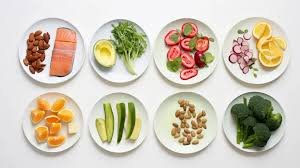
We’ve found that lean proteins, veggies, fruits, whole grains, and healthy fats are the way to go. They keep us full longer and give us steady energy throughout the day.
Let’s talk specifics. Chicken breast, salmon, and tofu are great protein sources. Spinach, broccoli, and sweet potatoes offer loads of nutrients. Berries, apples, and oranges satisfy our sweet tooth while providing fiber.
Brown rice, quinoa, and oats give us complex carbs. And don’t forget about nuts, seeds, and avocados for those healthy fats. By choosing these foods, we’re not just eating – we’re nourishing our bodies and supporting our weight loss goals.
Foods to Eat During the Eating Window
During your eating window, focus on nutrient-dense foods that fuel your body and keep you full… Want to know more about the best foods for 16/8 fasting? Keep reading!
Whole grains
We love whole grains for their nutrient punch. They’re packed with fiber, vitamins, and minerals that our bodies crave. Brown rice, quinoa, and whole wheat are great choices. These grains keep us full longer and help control our blood sugar.
That’s key for weight loss and overall health.
Eating whole grains doesn’t have to be boring. We can mix them into salads, soups, or use them as a base for stir-fries. They add a nice texture and nutty flavor to our meals. Now, let’s look at some lean proteins to pair with these grains for a balanced diet.
Lean proteins
Lean proteins pack a punch for weight loss. We recommend adding chicken, fish, or tofu to your meals during the eating window. These foods help repair muscles and keep you feeling full longer.
They’re low in fat but high in nutrients – perfect for shedding pounds.
Let’s talk about how to include these powerhouses in your diet. Try grilled chicken breast on a salad or baked fish with veggies. If you’re vegetarian, tofu stir-fry is a great option.
These choices support your weight loss goals while keeping you satisfied. Now, let’s explore some whole grains to pair with your lean proteins.
Healthy fats
We love healthy fats in our 16/8 fasting plan. They’re key for weight loss and overall health. Avocados, nuts, and olive oil are great choices. These fats help our bodies make hormones and absorb vitamins A, D, E, and K.
Eating healthy fats during our eating window keeps us full longer. This helps us stick to our fasting schedule. We aim to include a mix of these fats in our meals. They’re tasty and good for us – a win-win for our weight loss goals.
Fruits and vegetables
Moving from healthy fats, let’s talk about fruits and veggies. These powerhouses pack a nutritional punch for our weight loss journey.
We can’t stress enough how vital fruits and vegetables are. They’re low in calories but high in fiber, vitamins, and minerals. This combo helps us feel full while giving our bodies what they need.
We’ve seen firsthand how adding more produce to our plates makes a big difference. It’s not just about losing weight – it’s about feeling better overall. Aim for a rainbow of colors on your plate.
Each hue brings its own set of nutrients. Red tomatoes, orange carrots, green spinach, purple eggplant – mix it up! This variety keeps meals exciting and our bodies happy.
Common Mistakes to Avoid
We often see folks make slip-ups when they start 16/8 fasting. These errors can slow down weight loss or even cause health issues. Let’s look at some common mistakes to steer clear of on your fasting journey.
Skipping meals during the eating window
We’ve seen many women make a big mistake with 16/8 fasting. They skip meals in their eating window. This can backfire. Our bodies need steady fuel. When we skip meals, we often eat too much later.
This leads to weight gain, not loss.
It’s key to eat regular meals during our eating time. We should aim for 2-3 balanced meals. These should have protein, healthy fats, and fiber. This keeps us full and helps our bodies work well.
Eating this way also stops us from getting too hungry. When we’re not starving, we make better food choices.
Consuming high-sugar or processed foods
High-sugar and processed foods can derail our weight loss efforts. These items often pack lots of calories but little nutrition. They spike blood sugar, leading to energy crashes and more cravings.
Instead, we should focus on whole foods like fruits, veggies, lean proteins, and whole grains. These keep us full longer and provide steady energy without the ups and downs.
Cutting out sugary drinks, sweets, and packaged snacks makes a big difference. We’ll feel better and see faster results on the scale. Plus, our bodies will thank us – less sugar means lower inflammation and better overall health.
It’s not always easy, but small swaps add up. Fruit instead of candy or sparkling water instead of soda are great places to start.
Ignoring hydration
We can’t stress this enough – hydration is key during intermittent fasting. Many of us forget to drink enough water, which can lead to trouble. Our bodies often mix up thirst and hunger signals.
This confusion might make us eat more when we’re just thirsty. To avoid this, we need to keep sipping water throughout the day.
During fasting hours, we can drink water, black coffee, and herbal tea. These drinks help us feel full and keep our energy up. They also flush out toxins and support our body’s functions.
Staying hydrated boosts our metabolism and aids weight loss. It’s a simple step that makes a big difference in our fasting journey. Next, let’s look at some common foods that can derail our intermittent fasting efforts.
Potential Risks and Who Should Avoid It
While 16/8 fasting can be great for many, it’s not for everyone. Some folks should steer clear – but we’ll get into that later. Keep reading to find out who might need to skip this diet trend!
Pregnant or breastfeeding women
We don’t recommend 16/8 intermittent fasting for pregnant or breastfeeding women. Their bodies need more nutrients during these times. Eating less often could harm both mom and baby.
Instead, we suggest focusing on healthy, balanced meals throughout the day.
For new moms who want to lose weight, it’s best to wait until after breastfeeding ends. Then, talk to a doctor before starting any diet plan. They can help create a safe way to reach weight goals without risking health.
Each woman’s body is unique, so what works for one may not work for another.
Women with a history of eating disorders
Moving from pregnant women to those with eating disorder histories, we need to be extra careful. Women who’ve struggled with eating disorders should avoid 16/8 fasting. It’s too risky.
This method might trigger old habits or create new ones. We’ve seen how fasting can mess with someone’s relationship with food.
Our bodies and minds are complex. What works for one person might harm another. That’s why we always say: talk to a doctor before trying any new diet plan. They know your history best.
Your health comes first – always.
Those with certain medical conditions
We’ve got to talk about some health stuff. Intermittent fasting isn’t for everyone. Some medical conditions make it risky. If you have diabetes, your blood sugar might drop too low during fasting periods.
This can be dangerous. For folks with heart issues, fasting could put extra stress on the ticker.
Other conditions like eating disorders, pregnancy, or thyroid problems also need caution. We always say: chat with your doctor first. They know your health best and can guide you safely.
Your well-being comes first, always. Let’s move on to some other fasting methods you might want to check out instead.
Other Intermittent Fasting Methods to Consider
16/8 fasting isn’t the only way to do intermittent fasting. Other methods can work well for weight loss too. Let’s explore some different options that might fit your lifestyle better.
5:2 method
We’ve found another great way to lose weight: the 5:2 method. This plan lets us eat normally for five days a week. On the other two days, we cut back to about 600 calories. These low-calorie days don’t have to be back-to-back, which makes it easier to stick with.
The 5:2 method gives us more freedom than other diets. We can choose which days to eat less, fitting it into our busy lives. It’s not as strict as daily fasting, but still helps create a calorie deficit.
This flexibility makes it a popular choice for many women trying to shed pounds. Let’s explore how to start this method safely and effectively.
Alternate-day fasting
Moving from the 5:2 method, let’s explore another fasting approach. Alternate-day fasting offers a different rhythm. We eat normally one day, then limit calories to under 600 the next.
This pattern repeats throughout the week. It’s more intense than 16/8 fasting, but some find it effective for weight loss.
Our experience shows this method can be tough to stick with long-term. The frequent low-calorie days may leave us feeling hungry or low on energy. But for those who can manage it, alternate-day fasting might lead to significant weight loss.
As always, it’s crucial to focus on nutrient-dense foods on both normal and fasting days.
18:6 fasting
We’ve found another great option for weight loss: 18:6 fasting. This method lets us eat for six hours and fast for 18. It’s like 16:8, but with a shorter eating window. Many women choose to eat between 12 PM and 6 PM.
This gives our bodies more time to burn fat and boost metabolism.
18:6 fasting can help us shed pounds and improve our health. It may lower blood sugar, cut inflammation, and boost brain power. But it’s not for everyone. Pregnant or nursing moms should skip it.
Women with past eating issues should be careful too. Always chat with a doctor before trying any new diet plan.
Conclusion
16/8 intermittent fasting offers a promising path for women seeking weight loss. This method can boost metabolism, balance hormones, and improve overall health. We suggest starting slowly, staying hydrated, and focusing on nutrient-rich foods during eating windows.
While it may not suit everyone, many women find success with this approach. We encourage you to explore this method and see if it aligns with your goals.